THE ADVENTURE COLLECTIVE® · Independent discovery and booking for outdoor travel

Explore Alberobello’s UNESCO-listed trulli on a private two-hour walking tour that covers Rione Monti, quiet Aia Piccola, Casa D'Amore and the trullo-shaped Church of Saint Anthony. This guided walk mixes architecture, local stories, and a rosolio tasting while navigating narrow cobbled lanes.
Explore Alberobello’s UNESCO-listed trulli on a private two-hour walking tour that covers Rione Monti, quiet Aia Piccola, Casa D'Amore and the trullo-shaped Church of Saint Anthony. This guided walk mixes architecture, local stories, and a rosolio tasting while navigating narrow cobbled lanes.
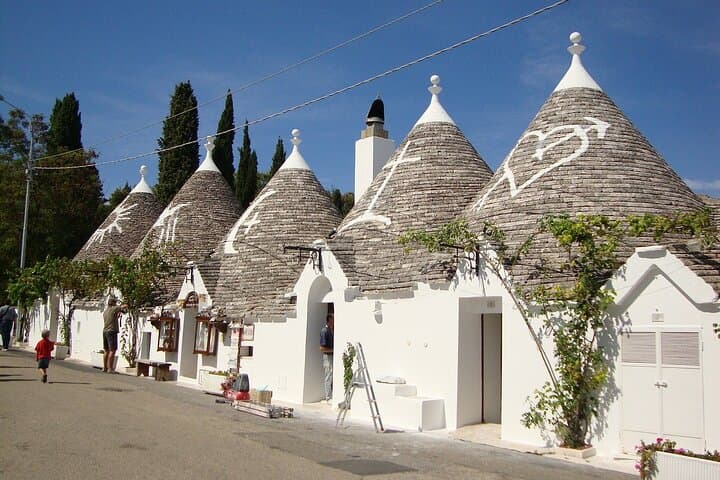
You step from sunlit piazza into alleys where conical roofs rise like stone beacons—each trullo a small, deliberate architecture of limestone and time.
Verified experiences and guided adventures in the surrounding area.
Operated by Opatrip.com Italy · Alberobello, Puglia
You step from sunlit piazza into alleys where conical roofs rise like stone beacons—each trullo a small, deliberate architecture of limestone and time.
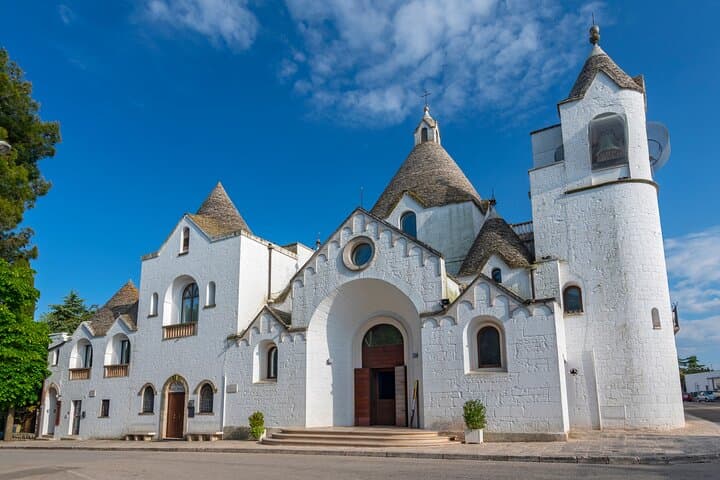
On this two-hour private walking tour, a local guide threads you through Rione Monti and the quieter Rione Aia Piccola, explaining how families once stacked flat limestone without mortar to create cool, temporary homes. The guide points out Casa D'Amore and tells how disputes over land and feudal obligations shaped both community and roofline. In the center stands the Church of Saint Anthony of Padua, built in trullo form in the early 20th century: an unusual ecclesiastical echo of vernacular craft.
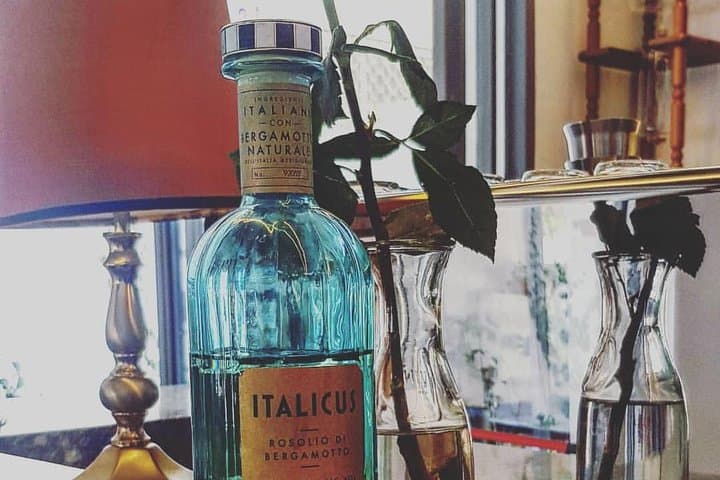
Geology shows itself in the white carparo stone and the gently rolling Itria Valley; the dry-stone technique was a practical response to abundant limestone and tax rules that favored removable buildings. Culture arrives as small pleasures—a taste of rosolio liqueur, the barter of market stalls, the cadence of daily life.
Practical notes: expect narrow cobblestone streets and low doorways; comfortable, flat-soled shoes and a light layer are sensible. Morning and late afternoon offer softer light and fewer people. The tour is private and suitable for most fitness levels but not recommended for pregnant travelers; mobile tickets are accepted and the operator requires 24-hour cancellation for a full refund.
This walk is as much about observation as motion: look up at chimney symbols carved into roofs, listen for the wind moving through olive groves beyond the town, and respect fragile stone by keeping to paths and local rules.
easy.
2 hours.
Suitable for most fitness levels; involves walking on uneven cobbles and short flights of steps.
The private tour runs about two hours and covers Rione Monti, Aia Piccola, Casa D'Amore and the trullo church.
Yes; the pace is gentle, but uneven cobbles and some steps mean mobility limitations should be considered.
This tour is focused on outdoor exploration and local storytelling; museum admissions are not typically included but can be arranged on request.
The operator offers a full refund for cancellations at least 24 hours before the scheduled start; mobile tickets are accepted.
Alberobello’s trulli date to early modern responses to limestone abundance and tax regulations; the town was designated a UNESCO World Heritage Site in 1996.
Trulli are fragile dry-stone structures—stick to public paths, avoid touching roofs, and support local businesses to keep heritage restoration funded.
Opatrip.com Italy operates guided outdoor trips and adventures with an emphasis on safety, stewardship, and memorable experiences.

You step from sunlit piazza into alleys where conical roofs rise like stone beacons—each trullo a small, deliberate architecture of limestone and time.
You step from sunlit piazza into alleys where conical roofs rise like stone beacons—each trullo a small, deliberate architecture of limestone and time.
On this two-hour private walking tour, a local guide threads you through Rione Monti and the quieter Rione Aia Piccola, explaining how families once stacked flat limestone without mortar to create cool, temporary homes. The guide points out Casa D'Amore and tells how disputes over land and feudal obligations shaped both community and roofline. In the center stands the Church of Saint Anthony of Padua, built in trullo form in the early 20th century: an unusual ecclesiastical echo of vernacular craft.
Geology shows itself in the white carparo stone and the gently rolling Itria Valley; the dry-stone technique was a practical response to abundant limestone and tax rules that favored removable buildings. Culture arrives as small pleasures—a taste of rosolio liqueur, the barter of market stalls, the cadence of daily life.
Practical notes: expect narrow cobblestone streets and low doorways; comfortable, flat-soled shoes and a light layer are sensible. Morning and late afternoon offer softer light and fewer people. The tour is private and suitable for most fitness levels but not recommended for pregnant travelers; mobile tickets are accepted and the operator requires 24-hour cancellation for a full refund.
This walk is as much about observation as motion: look up at chimney symbols carved into roofs, listen for the wind moving through olive groves beyond the town, and respect fragile stone by keeping to paths and local rules.