THE ADVENTURE COLLECTIVE® · Independent discovery and booking for outdoor travel

Spend a private day exploring Tripoli’s layered history from the Citadel to the labyrinthine souks. This guided 8-hour tour pairs architectural highlights with practical local insights to help you navigate mosques, markets and coastal viewpoints.
Spend a private day exploring Tripoli’s layered history from the Citadel to the labyrinthine souks. This guided 8-hour tour pairs architectural highlights with practical local insights to help you navigate mosques, markets and coastal viewpoints.
You step from an air-conditioned vehicle into a busy coastal city where gulls wheel above the harbor and narrow alleys funnel the day’s scents toward you.
Verified experiences and guided adventures in the surrounding area.
Operated by Lebanon Daily Tours · Tripoli, North Governorate
You step from an air-conditioned vehicle into a busy coastal city where gulls wheel above the harbor and narrow alleys funnel the day’s scents toward you.
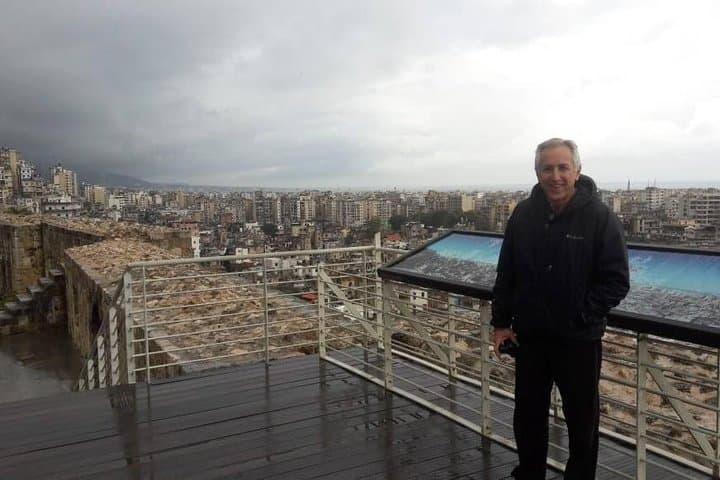
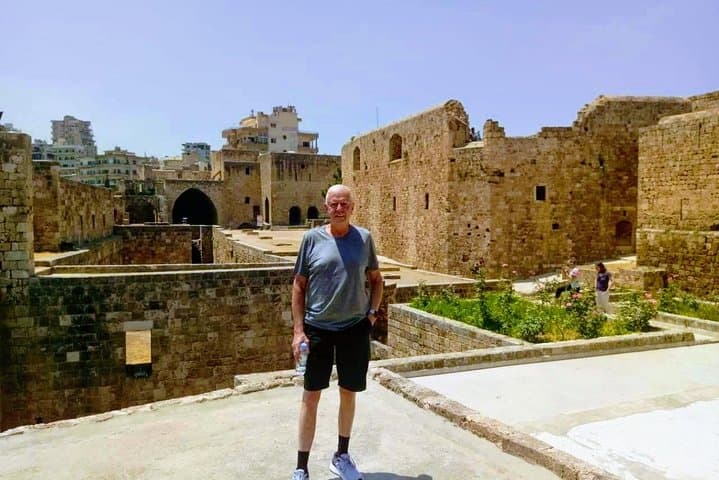
Tripoli sits on the Mediterranean at the mouth of the Abu Ali River — a layered city whose stones record Phoenician trade, Crusader rebuilds and Mamluk patronage. The Citadel of Saint Gilles perches above the old town, its patched walls showing octagonal Fatimid work, Crusader masonry and later Ottoman repairs. Below, Al-Mansouri and Taynal mosques reveal carved stone and reused Roman columns; the hammams and khans speak to a mercantile culture built around craft and communal life.
Geologically the coast is limestone and ancient marine terraces; the sea pushes salt-air into the souks and shapes a harbor town economy still linked to fishing and island reserves offshore. Culture here is tactile: the souks hum with metalwork, soap-makers and tailors in covered arcades where bargaining is part of the rhythm.
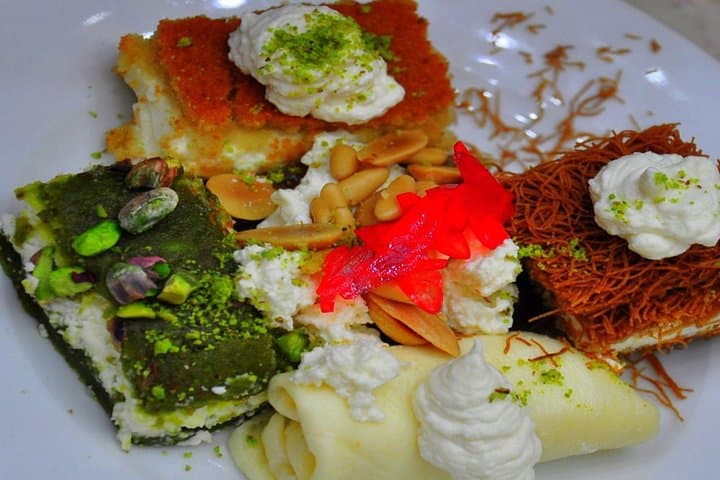
Practical guidance: this private, 8-hour tour blends short walks with vehicle transfers — expect cobblestones, steps and tight alleys. Wear sturdy walking shoes, carry water and modest clothing for mosque visits, and plan mornings or late afternoons in summer to avoid high sun. Small bills make buying sweets and soaps easier; allow extra time for photography and short detours to rooftop views or the working hammam.
A private guide navigates permits and names, leaving you to listen to the city — stones, calls to prayer and the sea — each playing its part in Tripoli’s story.
easy.
8 hours.
Suitable for most fitness levels; requires several hours of walking and short stair climbs with frequent stops.
Yes — the tour lists hotel pickup and drop-off; confirm exact pickup point when booking.
This private tour description notes stops at exterior and interior sites depending on itinerary — verify if museum or monument admissions are covered before booking.
The tour is rated easy but includes cobbled streets and steps; families and those with limited mobility should request accessible pickup and discuss route adjustments in advance.
Language availability can vary; confirm the guide's language when booking to ensure clear interpretation of historical sites.
Tripoli dates to the Phoenician era and became a major medieval center under Mamluk rule; its surviving mosques, khans and hammams reflect centuries of layered rebuilds.
Several nearby islands off Al‑Mina are declared natural reserves to protect fish breeding; local restoration programs also focus on preserving historic souks and hammams.
Lebanon Daily Tours operates guided outdoor trips and adventures with an emphasis on safety, stewardship, and memorable experiences.
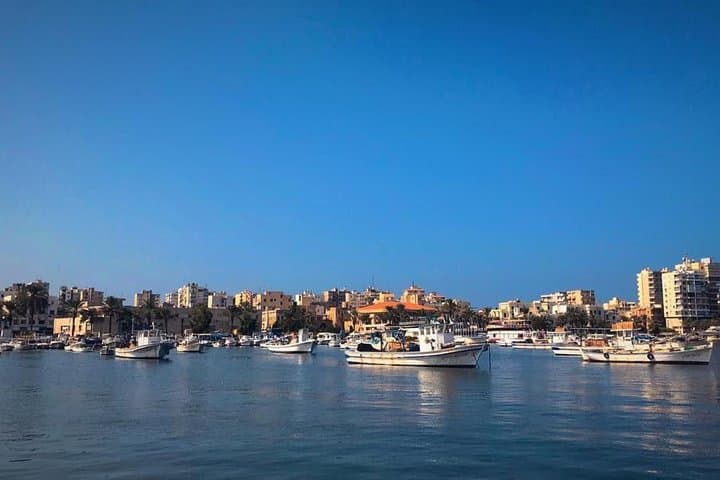
You step from an air-conditioned vehicle into a busy coastal city where gulls wheel above the harbor and narrow alleys funnel the day’s scents toward you.
You step from an air-conditioned vehicle into a busy coastal city where gulls wheel above the harbor and narrow alleys funnel the day’s scents toward you.
Tripoli sits on the Mediterranean at the mouth of the Abu Ali River — a layered city whose stones record Phoenician trade, Crusader rebuilds and Mamluk patronage. The Citadel of Saint Gilles perches above the old town, its patched walls showing octagonal Fatimid work, Crusader masonry and later Ottoman repairs. Below, Al-Mansouri and Taynal mosques reveal carved stone and reused Roman columns; the hammams and khans speak to a mercantile culture built around craft and communal life.
Geologically the coast is limestone and ancient marine terraces; the sea pushes salt-air into the souks and shapes a harbor town economy still linked to fishing and island reserves offshore. Culture here is tactile: the souks hum with metalwork, soap-makers and tailors in covered arcades where bargaining is part of the rhythm.
Practical guidance: this private, 8-hour tour blends short walks with vehicle transfers — expect cobblestones, steps and tight alleys. Wear sturdy walking shoes, carry water and modest clothing for mosque visits, and plan mornings or late afternoons in summer to avoid high sun. Small bills make buying sweets and soaps easier; allow extra time for photography and short detours to rooftop views or the working hammam.
A private guide navigates permits and names, leaving you to listen to the city — stones, calls to prayer and the sea — each playing its part in Tripoli’s story.