THE ADVENTURE COLLECTIVE® · Independent discovery and booking for outdoor travel

Climb to Mount Musala, the Balkans’ highest summit, on a full-day trekking option from Samokov with private or self-guided choices. Expect forest trails, alpine scree, and fast-changing weather on a rewarding 6–8 hour mountain day.
Climb to Mount Musala, the Balkans’ highest summit, on a full-day trekking option from Samokov with private or self-guided choices. Expect forest trails, alpine scree, and fast-changing weather on a rewarding 6–8 hour mountain day.
A cold wind cuts across the final talus slopes as you crest toward Musala’s summit, the Balkans opening in a raw, wide arc below. Beginning near Samokov and climbing through dark spruce and stunted pines, the trail trades enclosed forest for alpine scree; by the last ridge the air feels thin and bright, and the summit’s cairn and meteorological station stand like a blunt punctuation mark.
Verified experiences and guided adventures in the surrounding area.
Operated by VisitBulgariaOn Bespoke Experiences · Samokov, Sofia Province
A cold wind cuts across the final talus slopes as you crest toward Musala’s summit, the Balkans opening in a raw, wide arc below. Beginning near Samokov and climbing through dark spruce and stunted pines, the trail trades enclosed forest for alpine scree; by the last ridge the air feels thin and bright, and the summit’s cairn and meteorological station stand like a blunt punctuation mark.
Rila is a young mountain range in geological terms, sculpted by Pleistocene glaciation into deep cirques and glacial lakes. Musala, at 2,925 m, is the highest point in the Balkans and has long been a marker for local shepherds and wartime travelers; the broader Rila region also holds centuries of Orthodox monastic history visible lower in the valleys. Culture here is practical—mountain huts, simple fare, and a legacy of Bulgarian mountaineering.
Expect varied terrain: forest tracks, rocky switchbacks, and exposed ridgelines. Weather changes fast—sun can give way to sleet within an hour. Choose privately guided or self-guided; both routes require route awareness and steady pacing. Hydrate before the summit push, use layered clothing for the altitude swing, and plan for 6–8 hours on the trail. If you take the private option, transport and local insight smooth logistics and can add an English-speaking guide. Whether moving at a brisk day-hike pace or stopping to photograph high lakes, the ascent to Musala is straightforward but honest: a compact day of sustained climbing rewarded with expansive alpine views and a real sense of standing above the Balkans.
challenging.
6–8 hours.
Good aerobic fitness with experience on sustained uphill hikes; able to carry a daypack at altitude.
No—there is a self-guided option with an e-guide, but a private guide adds local knowledge, transport coordination, and safety especially in poor weather.
Typical day routes from nearby trailheads involve roughly 1,200–1,400 m of ascent over 12–16 km round-trip, depending on the exact start point.
Late June through September offers the most stable conditions and free trails; spring can have lingering snow, and winter requires technical gear.
Fit beginners with prior day-hike experience and good footwear can attempt it, but expect a sustained climb and rapidly changing weather—consider the guided option.
Musala’s summit has served as a geographic landmark for Balkan travelers for centuries; Rila later became a center for monastic culture with nearby monasteries influencing local routes.
The area lies within Rila National Park; stick to established trails, pack out waste, and avoid trampling fragile alpine flora.
VisitBulgariaOn Bespoke Experiences operates guided outdoor trips and adventures with an emphasis on safety, stewardship, and memorable experiences.
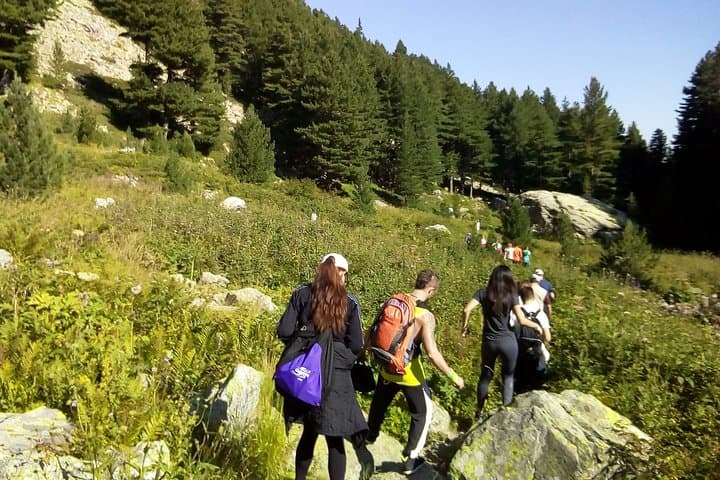
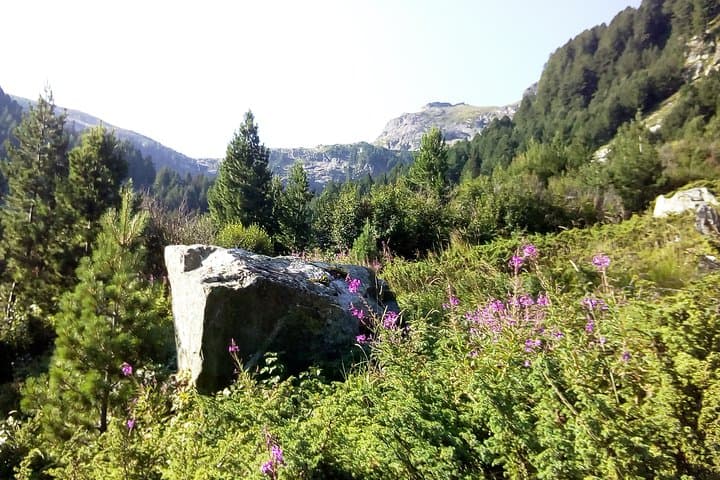
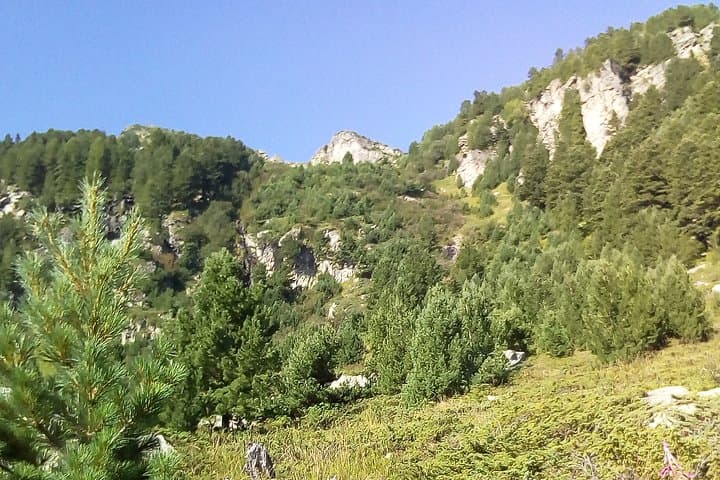
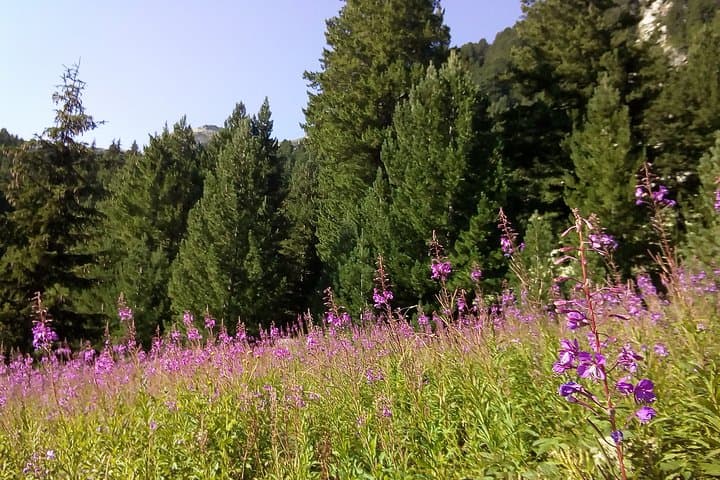
A cold wind cuts across the final talus slopes as you crest toward Musala’s summit, the Balkans opening in a raw, wide arc below. Beginning near Samokov and climbing through dark spruce and stunted pines, the trail trades enclosed forest for alpine scree; by the last ridge the air feels thin and bright, and the summit’s cairn and meteorological station stand like a blunt punctuation mark.
A cold wind cuts across the final talus slopes as you crest toward Musala’s summit, the Balkans opening in a raw, wide arc below. Beginning near Samokov and climbing through dark spruce and stunted pines, the trail trades enclosed forest for alpine scree; by the last ridge the air feels thin and bright, and the summit’s cairn and meteorological station stand like a blunt punctuation mark.
Rila is a young mountain range in geological terms, sculpted by Pleistocene glaciation into deep cirques and glacial lakes. Musala, at 2,925 m, is the highest point in the Balkans and has long been a marker for local shepherds and wartime travelers; the broader Rila region also holds centuries of Orthodox monastic history visible lower in the valleys. Culture here is practical—mountain huts, simple fare, and a legacy of Bulgarian mountaineering.
Expect varied terrain: forest tracks, rocky switchbacks, and exposed ridgelines. Weather changes fast—sun can give way to sleet within an hour. Choose privately guided or self-guided; both routes require route awareness and steady pacing. Hydrate before the summit push, use layered clothing for the altitude swing, and plan for 6–8 hours on the trail. If you take the private option, transport and local insight smooth logistics and can add an English-speaking guide. Whether moving at a brisk day-hike pace or stopping to photograph high lakes, the ascent to Musala is straightforward but honest: a compact day of sustained climbing rewarded with expansive alpine views and a real sense of standing above the Balkans.