THE ADVENTURE COLLECTIVE® · Independent discovery and booking for outdoor travel

Turn the Computer History Museum into your team's game board. In a private, two-hour treasure hunt you'll solve clues across every gallery—learning computing history while racing the clock.
Turn the Computer History Museum into your team's game board. In a private, two-hour treasure hunt you'll solve clues across every gallery—learning computing history while racing the clock.
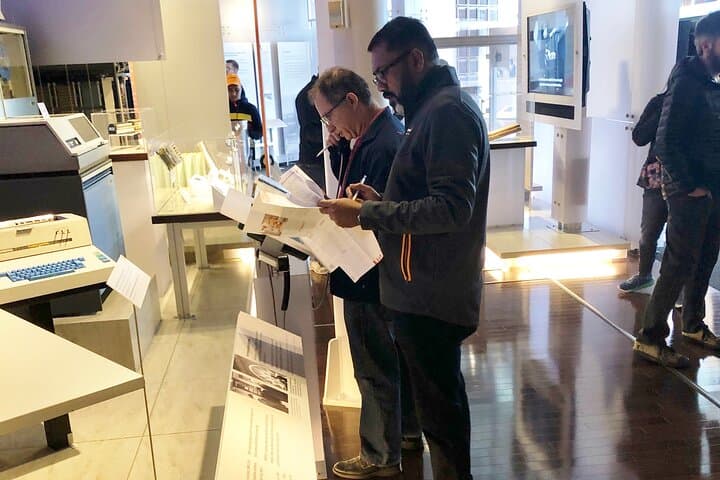
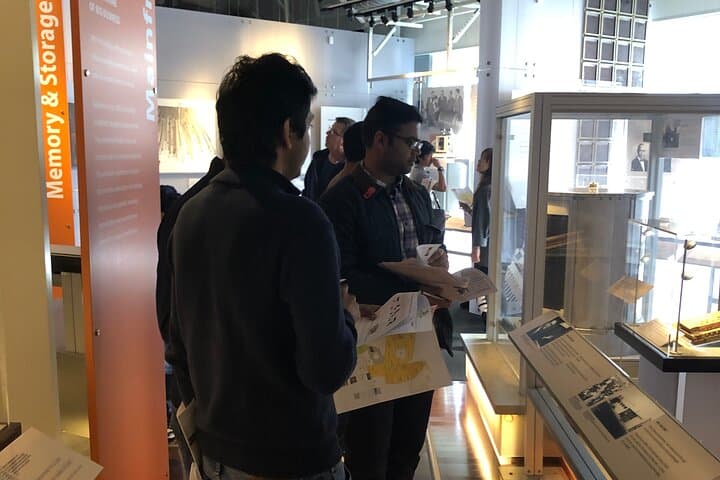
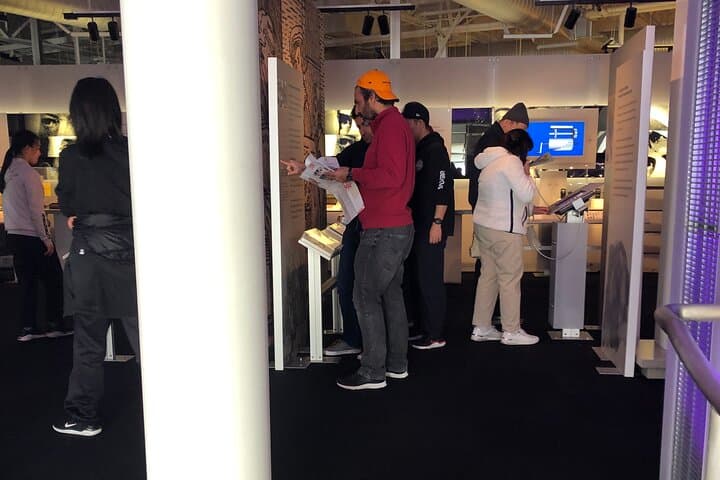
The lobby buzzes with a different kind of current: teams lean over clue packets, phones glow, and the hush of galleries becomes a timed playground. A private treasure hunt at the Computer History Museum turns display cases and glass-encased machines into checkpoints—solve riddles, collect creative photos, and move deliberately through a chronology of computing that pushes teams from abaci to microprocessors.
Verified experiences and guided adventures in the surrounding area.
Operated by Mr Treasure Hunt · Mountain View, California
The lobby buzzes with a different kind of current: teams lean over clue packets, phones glow, and the hush of galleries becomes a timed playground. A private treasure hunt at the Computer History Museum turns display cases and glass-encased machines into checkpoints—solve riddles, collect creative photos, and move deliberately through a chronology of computing that pushes teams from abaci to microprocessors.
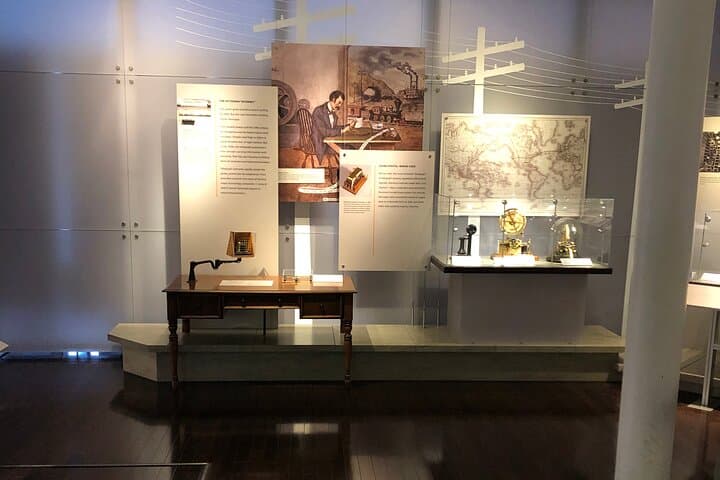
The museum charts computing’s arc from mechanical calculators to the chips that sculpt modern life. Housed in the heart of Silicon Valley, exhibits reflect both technological milestones and the local culture that accelerated them. Expect galleries devoted to mainframes, personal computers, and early internet artifacts; plaques and oral histories sketch the people and moments behind the machines.
Practical guidance is simple: the event runs two hours and is paced around indoor walking and short waits at exhibits. Meet in the museum lobby where organizers hand out clue packets and maps. Admission policies and hours are set by the museum—confirm before booking. The hunt is wheelchair- and stroller-accessible, but bring a fully charged smartphone (photos and answers are typically submitted digitally), comfortable shoes, and a lightweight bag for the map and any collected paper clues.
Timing your visit matters: arrive 15–20 minutes early to orient the group and review rules. Plan for some seated time if older participants are in your group. Photography for the hunt is usually allowed, but avoid touching artifacts and follow staff instructions. This blend of scavenger-hunt energy and curated history makes the museum both a classroom and a course—fast-paced, solvable, and unmistakably rooted in the valley that made computing public and portable.
easy.
2 hours.
Suitable for all fitness levels; requires standing and moderate indoor walking
The private treasure hunt is scheduled for two hours from the lobby start point; plan to arrive 15–20 minutes early to check in.
Museum admission and public hours are managed by the Computer History Museum—confirm whether the hunt includes admission or if separate tickets are required before booking.
Yes—galleries and surfaces are wheelchair- and stroller-accessible; contact the organizer with specific accessibility needs in advance.
Yes—the hunt is family-friendly and suitable for varied ages, but group organizers should consider younger participants’ attention spans and mobility when planning.
The Computer History Museum presents artifacts and narratives tracing computing from early calculating machines through the Silicon Valley innovations that made modern personal computing possible.
The museum preserves hardware and archival materials—visitors help conservation efforts by not touching artifacts, following photography rules, and using public transit when possible.
Mr Treasure Hunt operates guided outdoor trips and adventures with an emphasis on safety, stewardship, and memorable experiences.
The lobby buzzes with a different kind of current: teams lean over clue packets, phones glow, and the hush of galleries becomes a timed playground. A private treasure hunt at the Computer History Museum turns display cases and glass-encased machines into checkpoints—solve riddles, collect creative photos, and move deliberately through a chronology of computing that pushes teams from abaci to microprocessors.
The lobby buzzes with a different kind of current: teams lean over clue packets, phones glow, and the hush of galleries becomes a timed playground. A private treasure hunt at the Computer History Museum turns display cases and glass-encased machines into checkpoints—solve riddles, collect creative photos, and move deliberately through a chronology of computing that pushes teams from abaci to microprocessors.
The museum charts computing’s arc from mechanical calculators to the chips that sculpt modern life. Housed in the heart of Silicon Valley, exhibits reflect both technological milestones and the local culture that accelerated them. Expect galleries devoted to mainframes, personal computers, and early internet artifacts; plaques and oral histories sketch the people and moments behind the machines.
Practical guidance is simple: the event runs two hours and is paced around indoor walking and short waits at exhibits. Meet in the museum lobby where organizers hand out clue packets and maps. Admission policies and hours are set by the museum—confirm before booking. The hunt is wheelchair- and stroller-accessible, but bring a fully charged smartphone (photos and answers are typically submitted digitally), comfortable shoes, and a lightweight bag for the map and any collected paper clues.
Timing your visit matters: arrive 15–20 minutes early to orient the group and review rules. Plan for some seated time if older participants are in your group. Photography for the hunt is usually allowed, but avoid touching artifacts and follow staff instructions. This blend of scavenger-hunt energy and curated history makes the museum both a classroom and a course—fast-paced, solvable, and unmistakably rooted in the valley that made computing public and portable.