THE ADVENTURE COLLECTIVE® · Independent discovery and booking for outdoor travel

Travel between Zagreb and Split with a private minivan and a flexible stop at Plitvice Lakes National Park. Enjoy boardwalks, an electric boat on Kozjak Lake, and practical tips for timing, tickets and luggage.
Travel between Zagreb and Split with a private minivan and a flexible stop at Plitvice Lakes National Park. Enjoy boardwalks, an electric boat on Kozjak Lake, and practical tips for timing, tickets and luggage.
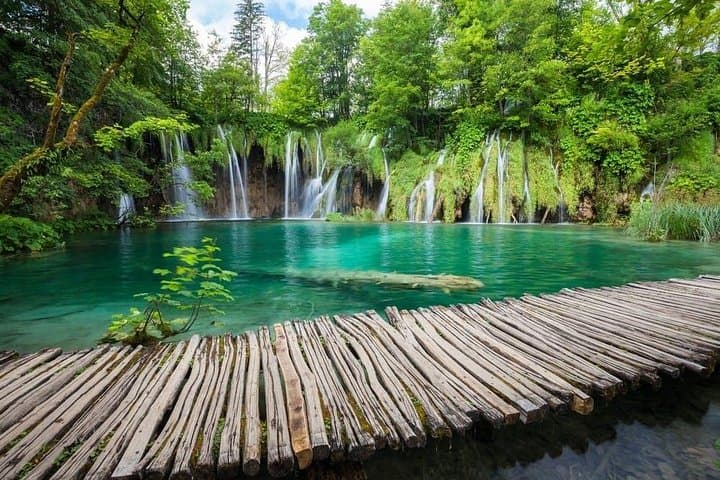
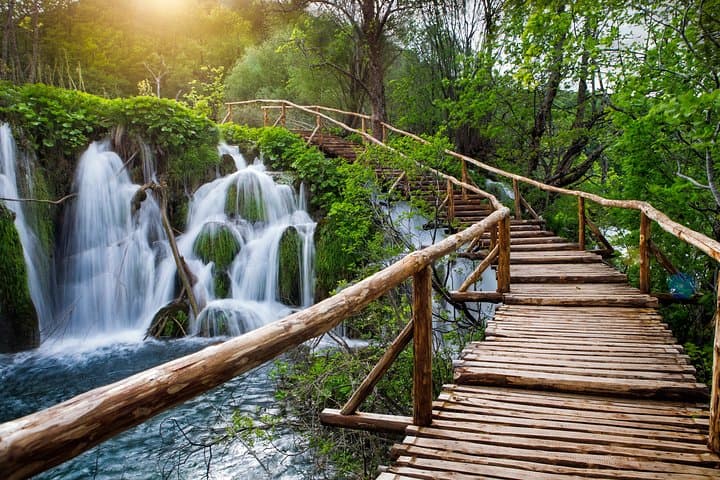
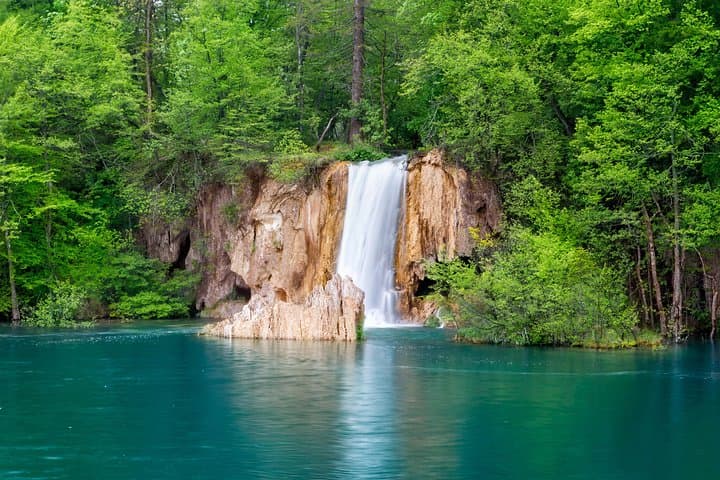
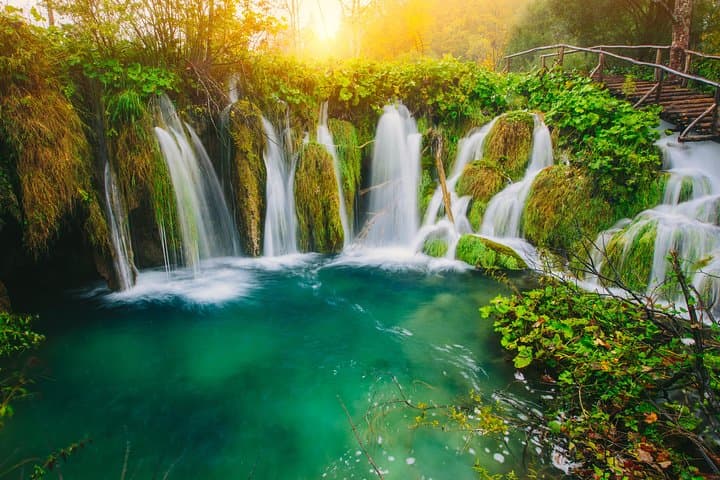
You step into a leather-trimmed minivan in Zagreb and the city recedes as highways run south toward the karst wilds. Midway the road narrows and Plitvice Lakes announces itself with the sound of water — a chain of turquoise basins and cascading falls that dare you to slow down and look.
Verified experiences and guided adventures in the surrounding area.
Operated by Touch Croatia · Zagreb, Zagreb County
You step into a leather-trimmed minivan in Zagreb and the city recedes as highways run south toward the karst wilds. Midway the road narrows and Plitvice Lakes announces itself with the sound of water — a chain of turquoise basins and cascading falls that dare you to slow down and look.
Plitvice Lakes National Park, Croatia’s oldest and largest, is a product of limestone and time: travertine barriers weave the 16 upper and lower lakes into terraces and channels. UNESCO recognized the park in 1979 for its geomorphology and biodiversity. Local villages in Lika-Senj still serve hearty stews and smoked cheese, and drivers often point out sights while explaining seasonal rhythms and park logistics.
On this private transfer the stop is flexible — long enough to walk boardwalks, take an electric boat on Kozjak Lake or ride the park shuttle train. Expect wooden walkways over dripping moss, viewpoints climbing to watch the Great Waterfall, and crowds peaking midafternoon in high season.
Practical guide: the full door-to-door transfer runs about 8–9 hours including the park stop; total driving without stops is roughly 4–5 hours (≈400 km). Park entrance is typically not included; purchase tickets in advance during summer. Luggage is limited to one suitcase and one carry-on per passenger; confirm oversized items before booking. Wear non-slip shoes for wet boardwalks, bring a refillable water bottle and a light rain layer. Plan early mornings for quieter trails, and leave no trace — the travertine shelves are fragile and regenerating them takes decades.
easy.
8–9 hours.
Suitable for most fitness levels; walking on boardwalks and short stairs required for scenic viewpoints
No — the transfer typically covers transport only; park admission and any guided tours inside Plitvice are usually paid separately, so bring proof of ticket purchase if you buy online.
Stop length is flexible but most itineraries allow 2–4 hours to walk boardwalks, take the Kozjak boat, and visit key viewpoints; confirm exact timing with the operator.
Standard allowance is one suitcase and one carry-on per traveler; oversized items may be restricted—contact the operator ahead of booking to confirm acceptance.
Drivers are English-speaking and can provide local insights, but they are not licensed park guides; consider a park guide if you want in-depth natural history or wildlife interpretation.
Plitvice’s travertine systems formed over millennia as mineral-rich waters deposited calcium carbonate; the park gained UNESCO protection in 1979 and has long been a focal point of Croatian natural heritage.
The travertine barriers are fragile — stay on boardwalks and follow marked routes. Visitor management and timed tickets help limit erosion and protect water quality.
Touch Croatia operates guided outdoor trips and adventures with an emphasis on safety, stewardship, and memorable experiences.
You step into a leather-trimmed minivan in Zagreb and the city recedes as highways run south toward the karst wilds. Midway the road narrows and Plitvice Lakes announces itself with the sound of water — a chain of turquoise basins and cascading falls that dare you to slow down and look.
You step into a leather-trimmed minivan in Zagreb and the city recedes as highways run south toward the karst wilds. Midway the road narrows and Plitvice Lakes announces itself with the sound of water — a chain of turquoise basins and cascading falls that dare you to slow down and look.
Plitvice Lakes National Park, Croatia’s oldest and largest, is a product of limestone and time: travertine barriers weave the 16 upper and lower lakes into terraces and channels. UNESCO recognized the park in 1979 for its geomorphology and biodiversity. Local villages in Lika-Senj still serve hearty stews and smoked cheese, and drivers often point out sights while explaining seasonal rhythms and park logistics.
On this private transfer the stop is flexible — long enough to walk boardwalks, take an electric boat on Kozjak Lake or ride the park shuttle train. Expect wooden walkways over dripping moss, viewpoints climbing to watch the Great Waterfall, and crowds peaking midafternoon in high season.
Practical guide: the full door-to-door transfer runs about 8–9 hours including the park stop; total driving without stops is roughly 4–5 hours (≈400 km). Park entrance is typically not included; purchase tickets in advance during summer. Luggage is limited to one suitcase and one carry-on per passenger; confirm oversized items before booking. Wear non-slip shoes for wet boardwalks, bring a refillable water bottle and a light rain layer. Plan early mornings for quieter trails, and leave no trace — the travertine shelves are fragile and regenerating them takes decades.