THE ADVENTURE COLLECTIVE® · Independent discovery and booking for outdoor travel

Travel from Siem Reap up to Phnom Kulen for a day among sacred river carvings and a cooling waterfall. This private transfer delivers comfort, local insight, and time to explore the River of a Thousand Lingas and nearby temples.
Travel from Siem Reap up to Phnom Kulen for a day among sacred river carvings and a cooling waterfall. This private transfer delivers comfort, local insight, and time to explore the River of a Thousand Lingas and nearby temples.
The road rises out of Siem Reap’s dusty plains and, within an hour, the air changes—greener, cooler, threaded with the sound of distant water. Arrive at Phnom Kulen and the mountain opens in stages: a forested drive, a limestone-strewn plateau, then the river itself where carved lingas punctuate the riverbed like an open-air reliquary. Visitors can sit on rock shelves above the cascade, watch locals perform simple rituals, or step into the pool where the waterfall cools the day.
Verified experiences and guided adventures in the surrounding area.
Operated by Buffalo Angkor · Siem Reap, Siem Reap Province
The road rises out of Siem Reap’s dusty plains and, within an hour, the air changes—greener, cooler, threaded with the sound of distant water. Arrive at Phnom Kulen and the mountain opens in stages: a forested drive, a limestone-strewn plateau, then the river itself where carved lingas punctuate the riverbed like an open-air reliquary. Visitors can sit on rock shelves above the cascade, watch locals perform simple rituals, or step into the pool where the waterfall cools the day.
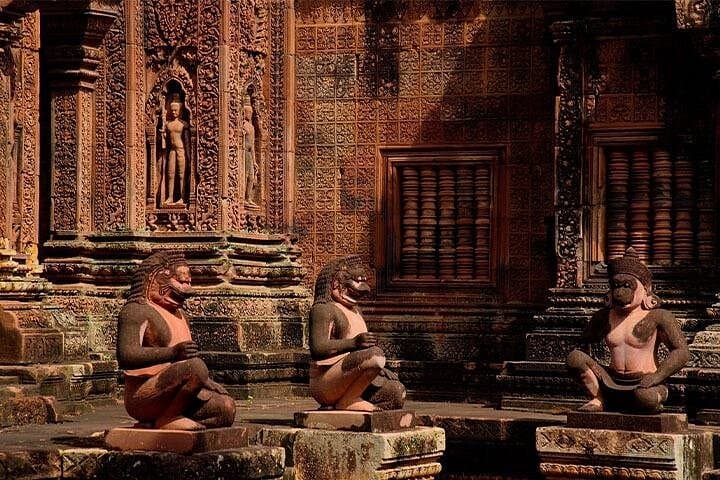
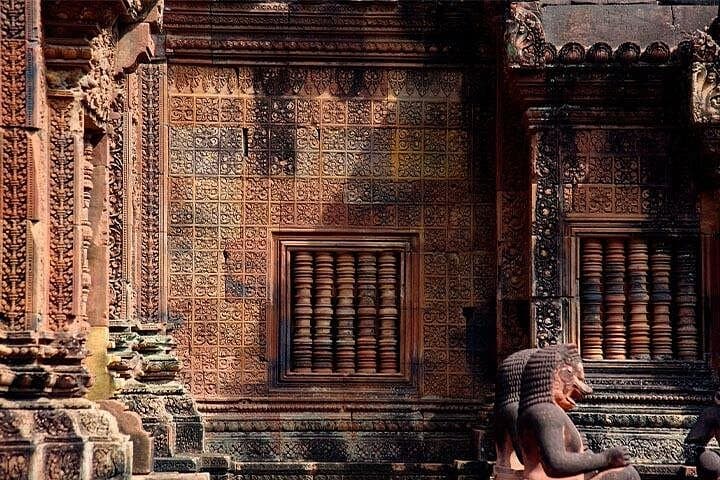
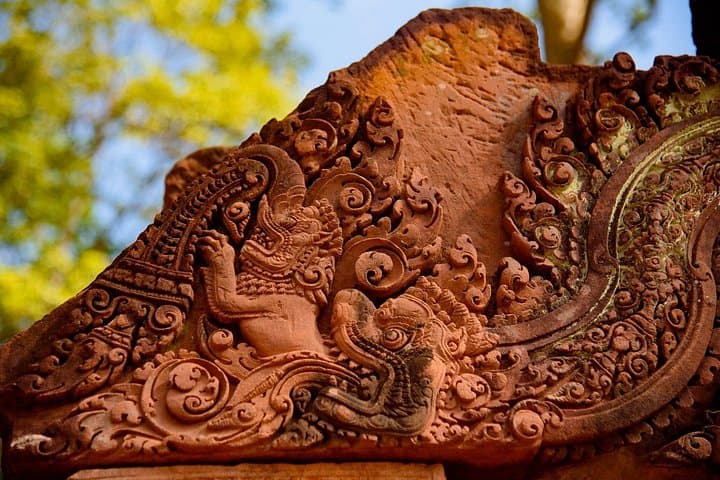
Phnom Kulen is a site of layered history. Its cliffs and streams became a sacred landscape during the Angkorian period; the River of a Thousand Lingas contains hundreds of carved phallic symbols associated with Shiva and ritual watercourses. Banteay Srei, often included on the return, is a nearby 10th-century temple famed for its red sandstone carving, offering cultural contrast to the mountain’s raw geology.
Practically, this is a full-day private transfer: expect a 8–9 hour window with hotel pickup in an air-conditioned vehicle, bottled water, and an option to include an English-speaking guide. Trails are short but uneven—sturdy footwear and sun protection are essential. Bring swimwear and a towel if you plan to enter the falls; modest dress is required at pagodas. If you want to visit Banteay Srei you’ll need a valid Angkor Pass. Respect sacred sites: avoid climbing on carvings, and accept local customs such as blessing rituals with quiet attention. Timing your visit for morning or late afternoon reduces heat and crowds, and leaves the midday hours for a riverside lunch or a shaded rest before the drive back to Siem Reap.
easy.
8–9 hours.
Suitable for travelers in light to moderate fitness; involves short walks over uneven terrain and brief stair sections at temples
Yes—if you want to visit Banteay Srei or other Angkor-area temples on the itinerary, a valid Angkor Pass is required; the driver can transport you regardless of pass status for non-ticketed stops.
Yes, swimming is common in designated pools below the falls; exercise caution on rocks and follow any local signage or guide instructions.
The vehicle and many surfaces are wheelchair accessible, and the operator notes infant seats are available, but some river and temple areas have uneven steps that limit full access.
Bring a picnic or buy from local food stalls near Phnom Kulen; options are basic Khmer dishes and snacks—carry cash as card acceptance is limited.
Phnom Kulen was an important Angkorian ceremonial site; the river’s carved lingas and nearby pagodas reflect its role in historical Khmer ritual and hydraulic engineering.
Phnom Kulen lies within protected forest and archaeological zones—stick to marked paths, avoid touching carvings, and carry out all trash to minimize impact.
Buffalo Angkor operates guided outdoor trips and adventures with an emphasis on safety, stewardship, and memorable experiences.
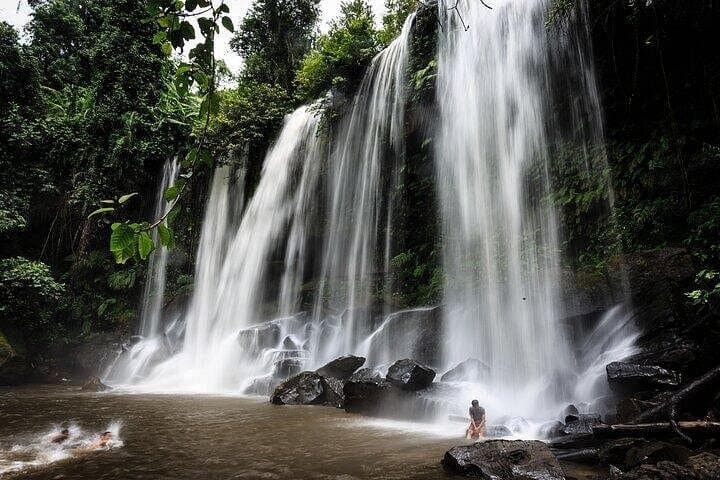
The road rises out of Siem Reap’s dusty plains and, within an hour, the air changes—greener, cooler, threaded with the sound of distant water. Arrive at Phnom Kulen and the mountain opens in stages: a forested drive, a limestone-strewn plateau, then the river itself where carved lingas punctuate the riverbed like an open-air reliquary. Visitors can sit on rock shelves above the cascade, watch locals perform simple rituals, or step into the pool where the waterfall cools the day.
The road rises out of Siem Reap’s dusty plains and, within an hour, the air changes—greener, cooler, threaded with the sound of distant water. Arrive at Phnom Kulen and the mountain opens in stages: a forested drive, a limestone-strewn plateau, then the river itself where carved lingas punctuate the riverbed like an open-air reliquary. Visitors can sit on rock shelves above the cascade, watch locals perform simple rituals, or step into the pool where the waterfall cools the day.
Phnom Kulen is a site of layered history. Its cliffs and streams became a sacred landscape during the Angkorian period; the River of a Thousand Lingas contains hundreds of carved phallic symbols associated with Shiva and ritual watercourses. Banteay Srei, often included on the return, is a nearby 10th-century temple famed for its red sandstone carving, offering cultural contrast to the mountain’s raw geology.
Practically, this is a full-day private transfer: expect a 8–9 hour window with hotel pickup in an air-conditioned vehicle, bottled water, and an option to include an English-speaking guide. Trails are short but uneven—sturdy footwear and sun protection are essential. Bring swimwear and a towel if you plan to enter the falls; modest dress is required at pagodas. If you want to visit Banteay Srei you’ll need a valid Angkor Pass. Respect sacred sites: avoid climbing on carvings, and accept local customs such as blessing rituals with quiet attention. Timing your visit for morning or late afternoon reduces heat and crowds, and leaves the midday hours for a riverside lunch or a shaded rest before the drive back to Siem Reap.