THE ADVENTURE COLLECTIVE® · Independent discovery and booking for outdoor travel

Skip crowded sections and take a private transfer from Beijing to the rugged, unreconstructed Gubeikou Great Wall. This self-guided day trip offers two hours’ drive, exposed ridge hiking, and a raw slice of Ming-era fortification.
Skip crowded sections and take a private transfer from Beijing to the rugged, unreconstructed Gubeikou Great Wall. This self-guided day trip offers two hours’ drive, exposed ridge hiking, and a raw slice of Ming-era fortification.
The road unwinds out of Beijing as the city’s grid gives way to pines and granite ridges; after roughly two hours on highway you arrive at Gubeikou, where a crumbling stretch of Ming-era wall rises and dares you to explore it on your own terms.
Verified experiences and guided adventures in the surrounding area.
Operated by Beijing Driver Guide Service · Gubeikou (Miyun District), Beijing
The road unwinds out of Beijing as the city’s grid gives way to pines and granite ridges; after roughly two hours on highway you arrive at Gubeikou, where a crumbling stretch of Ming-era wall rises and dares you to explore it on your own terms.
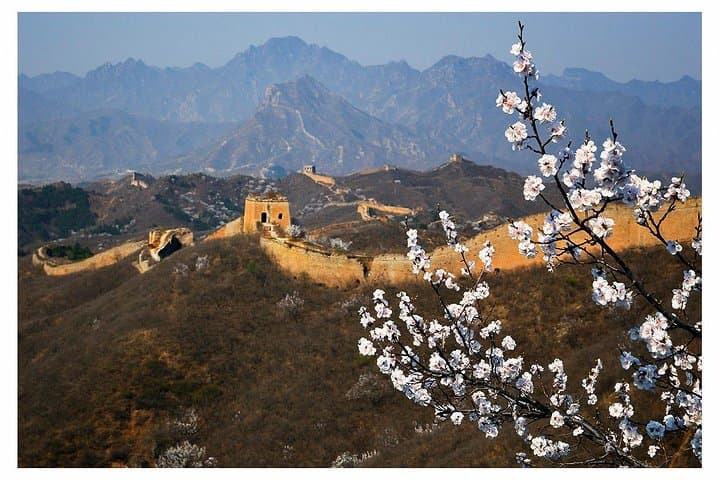
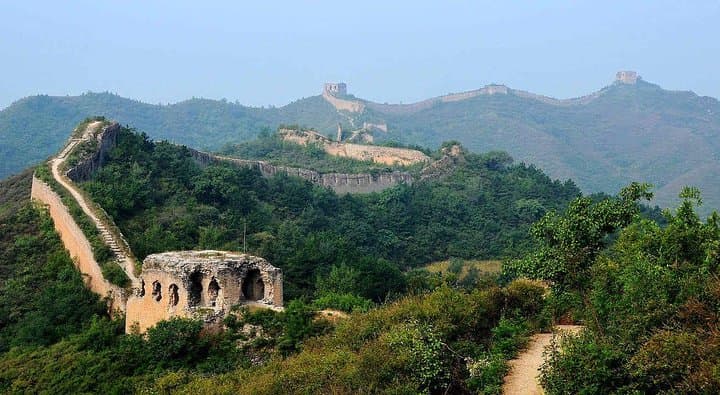
Gubeikou was long a military chokepoint between the North China Plain and the Mongolian steppe. Unlike tourist-rebuilt sectors, this part of the wall has never been fully reconstructed — broken battlements, collapsed towers and original mortar read like pages of regional history. The line of watchtowers follows exposed ridgelines carved from local schist and granite; in places the path is steep and irregular, in others the wall narrows to exposed steps that require careful footing.
Culturally, the area sits in Miyun District, where small villages still reflect rural Beijing life; vendors near the entrance sell tea and simple snacks. Geologically, the wall rides a spine of erosion-resistant rock, which is why towers cluster on ridge crests and passes.
Practically, this service is a private round-trip transfer with flexible pickup times (6:00–12:00 recommended) and hotel collection within Beijing’s 4th Ring Road. Expect 8–9 hours total, bring sturdy shoes, water and a map or phone with battery — there’s little infrastructure on the wall itself. If you prefer context, book an English-speaking guide add-on so history accompanies the hike. Plan for variable footing, limited restrooms, and a memorable stretch of original Great Wall that rewards careful exploration.
moderate.
8–9 hours.
Moderate fitness recommended — able to handle uneven ground, short steep sections and several hours of walking.
Expect about two hours each way depending on traffic; choose an early departure to minimize highway congestion.
This booking is a self-guided transfer by default; you can add an English-speaking guide as an extra to get historical context and on-wall navigation help.
Hotel pickup is included for hotels within Beijing’s 4th Ring Road; specify pickup point when booking and confirm details with the operator.
The wall here is rugged and unreconstructed — footing can be uneven and steep in spots; people with basic mobility limitations should take care or consider an easier section.
Gubeikou was a strategic pass for centuries; its fortifications and beacon towers reflect ongoing military contests through the Ming and Qing dynasties.
Because this section is largely unrestored, visitors should avoid removing stones or walking on crumbling parapets; stick to established lines to limit erosion and preserve the site.
Beijing Driver Guide Service operates guided outdoor trips and adventures with an emphasis on safety, stewardship, and memorable experiences.
The road unwinds out of Beijing as the city’s grid gives way to pines and granite ridges; after roughly two hours on highway you arrive at Gubeikou, where a crumbling stretch of Ming-era wall rises and dares you to explore it on your own terms.
The road unwinds out of Beijing as the city’s grid gives way to pines and granite ridges; after roughly two hours on highway you arrive at Gubeikou, where a crumbling stretch of Ming-era wall rises and dares you to explore it on your own terms.
Gubeikou was long a military chokepoint between the North China Plain and the Mongolian steppe. Unlike tourist-rebuilt sectors, this part of the wall has never been fully reconstructed — broken battlements, collapsed towers and original mortar read like pages of regional history. The line of watchtowers follows exposed ridgelines carved from local schist and granite; in places the path is steep and irregular, in others the wall narrows to exposed steps that require careful footing.
Culturally, the area sits in Miyun District, where small villages still reflect rural Beijing life; vendors near the entrance sell tea and simple snacks. Geologically, the wall rides a spine of erosion-resistant rock, which is why towers cluster on ridge crests and passes.
Practically, this service is a private round-trip transfer with flexible pickup times (6:00–12:00 recommended) and hotel collection within Beijing’s 4th Ring Road. Expect 8–9 hours total, bring sturdy shoes, water and a map or phone with battery — there’s little infrastructure on the wall itself. If you prefer context, book an English-speaking guide add-on so history accompanies the hike. Plan for variable footing, limited restrooms, and a memorable stretch of original Great Wall that rewards careful exploration.