THE ADVENTURE COLLECTIVE® · Independent discovery and booking for outdoor travel

Travel between Split and Zagreb with a rewarding stop at Plitvice Lakes National Park. Experience the park’s tiered lakes and waterfalls on a managed visit, then continue comfortably to your destination.
Travel between Split and Zagreb with a rewarding stop at Plitvice Lakes National Park. Experience the park’s tiered lakes and waterfalls on a managed visit, then continue comfortably to your destination.
You step out of an air-conditioned minivan onto a wooden walkway that glides across water so clear it seems to be holding its own sky. The driver closes the van door and the roar of the road is replaced by the hush of cascades; Plitvice Lakes delivers scale and motion at once — a cluster of 16 terraced lakes divided into Upper and Lower groups, threaded by tufa dams and ribbons of foaming falls.
Verified experiences and guided adventures in the surrounding area.
Operated by Touch Croatia · Plitvička Jezera, Lika-Senj County
You step out of an air-conditioned minivan onto a wooden walkway that glides across water so clear it seems to be holding its own sky. The driver closes the van door and the roar of the road is replaced by the hush of cascades; Plitvice Lakes delivers scale and motion at once — a cluster of 16 terraced lakes divided into Upper and Lower groups, threaded by tufa dams and ribbons of foaming falls.
Formed where limestone and spring water meet, Plitvice’s tufa barriers are geological workhorses: they trap mineral deposits and build the very travertine that creates the park’s stepping-lake architecture. The region sits in Lika, a part of Croatia with a history of shepherding, Ottoman borderlands, and the modern conservation movement that earned Plitvice UNESCO protection in 1979.
Culture here is low-key: small restaurants near park entrances serve hearty Lika fare and coffee, and local guides emphasize respectful visitation. Wildlife is present but quiet — deer and otters slip through rushes while owls and raptors circle overhead.
Practical guidance: allow at least 2–3 hours on a short stop or half a day to see both Upper and Lower Lakes. Wear sturdy shoes — boardwalks can be wet and uneven — and bring a waterproof layer and refillable water bottle. Tickets can be timed and vary by season; arriving early reduces crowds and gives softer light for photos. If you’re on a private transfer between Split and Zagreb, confirm luggage limits with the operator and plan your stop length so you don’t rush the return leg. Above all, stay on marked paths: the tufa formations are fragile and protected by strict park rules.
moderate.
8–9 hours (including transit).
Basic to moderate fitness for walking 2–4 miles on uneven boardwalks and trails; not strenuous but involves standing and stair sections.
No — entrance fees are not included; the driver will stop at the park and you purchase tickets separately, often timed by entry window.
Stops vary by booking but expect 2–4 hours for a focused visit; plan more time if you want to do extensive hiking or multiple boardwalk circuits.
Drivers generally accommodate standard luggage in the vehicle’s hold, but oversized items (bikes, surfboards) may be restricted — confirm with the operator ahead of time.
Some lower-lake boardwalks and paths are relatively flat, but many routes include steps and uneven surfaces; accessibility is limited compared with full trail coverage.
Plitvice’s unique travertine system developed over millennia; the park has been under national protection since the 1940s and joined UNESCO in 1979.
Tufa formation is fragile and sensitive to pollution and trampling; staying on boardwalks and following set routes helps preserve the park for future visitors.
Touch Croatia operates guided outdoor trips and adventures with an emphasis on safety, stewardship, and memorable experiences.
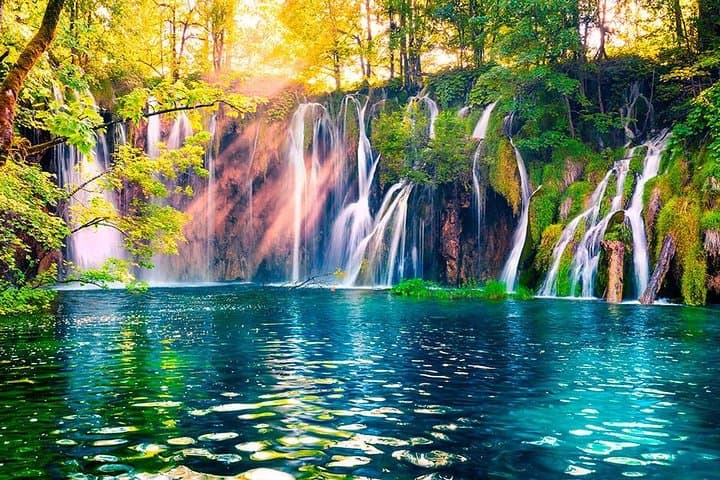
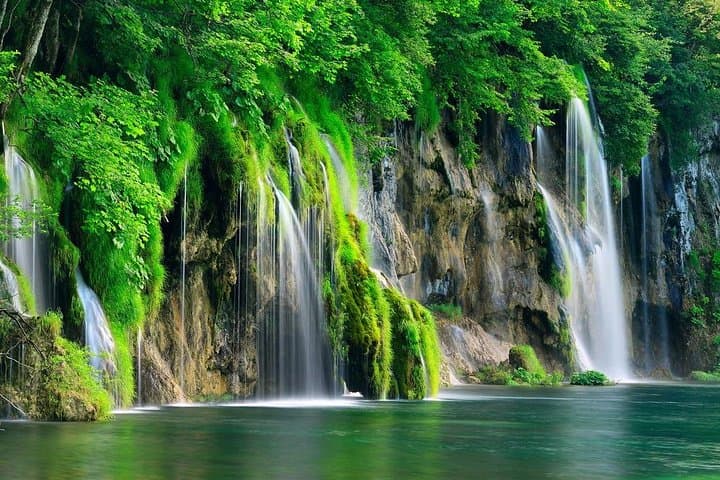
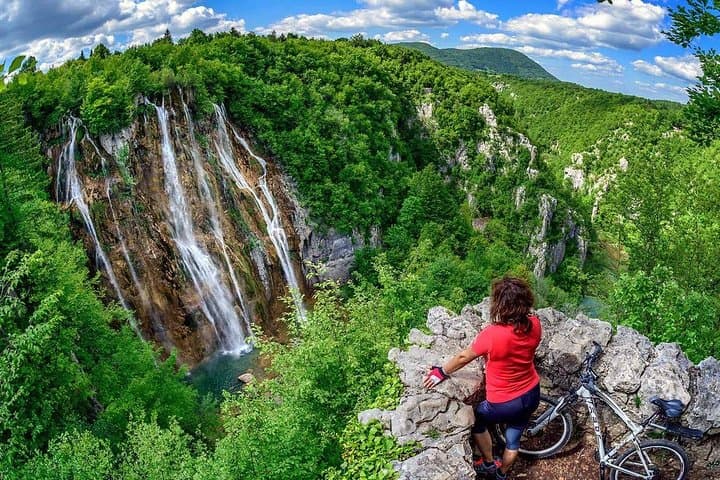
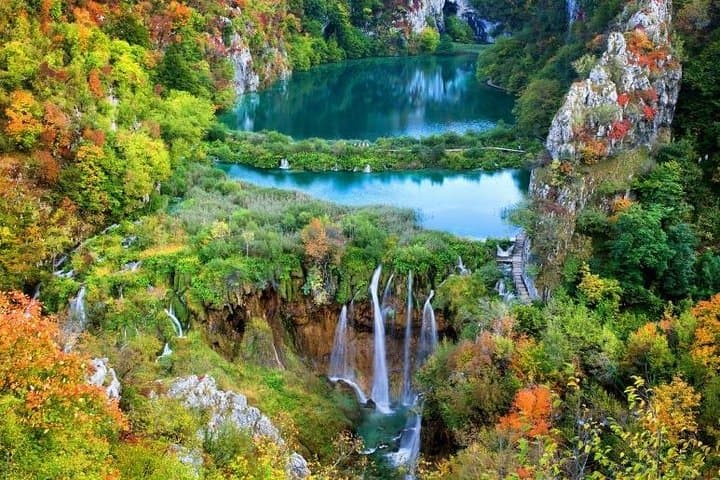
You step out of an air-conditioned minivan onto a wooden walkway that glides across water so clear it seems to be holding its own sky. The driver closes the van door and the roar of the road is replaced by the hush of cascades; Plitvice Lakes delivers scale and motion at once — a cluster of 16 terraced lakes divided into Upper and Lower groups, threaded by tufa dams and ribbons of foaming falls.
You step out of an air-conditioned minivan onto a wooden walkway that glides across water so clear it seems to be holding its own sky. The driver closes the van door and the roar of the road is replaced by the hush of cascades; Plitvice Lakes delivers scale and motion at once — a cluster of 16 terraced lakes divided into Upper and Lower groups, threaded by tufa dams and ribbons of foaming falls.
Formed where limestone and spring water meet, Plitvice’s tufa barriers are geological workhorses: they trap mineral deposits and build the very travertine that creates the park’s stepping-lake architecture. The region sits in Lika, a part of Croatia with a history of shepherding, Ottoman borderlands, and the modern conservation movement that earned Plitvice UNESCO protection in 1979.
Culture here is low-key: small restaurants near park entrances serve hearty Lika fare and coffee, and local guides emphasize respectful visitation. Wildlife is present but quiet — deer and otters slip through rushes while owls and raptors circle overhead.
Practical guidance: allow at least 2–3 hours on a short stop or half a day to see both Upper and Lower Lakes. Wear sturdy shoes — boardwalks can be wet and uneven — and bring a waterproof layer and refillable water bottle. Tickets can be timed and vary by season; arriving early reduces crowds and gives softer light for photos. If you’re on a private transfer between Split and Zagreb, confirm luggage limits with the operator and plan your stop length so you don’t rush the return leg. Above all, stay on marked paths: the tufa formations are fragile and protected by strict park rules.