THE ADVENTURE COLLECTIVE® · Independent discovery and booking for outdoor travel

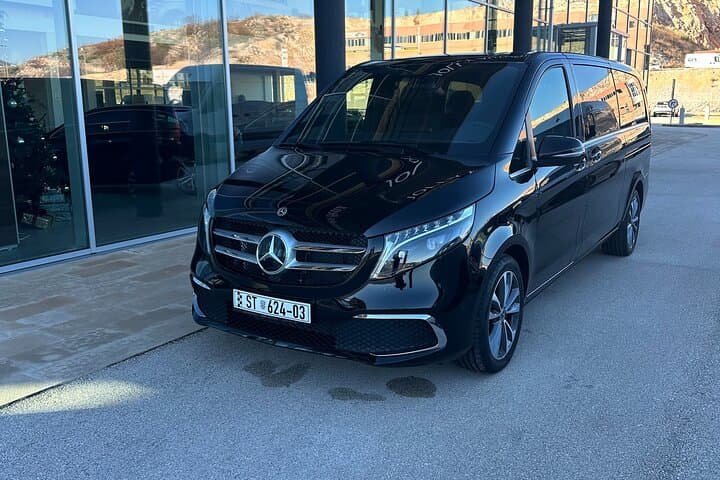
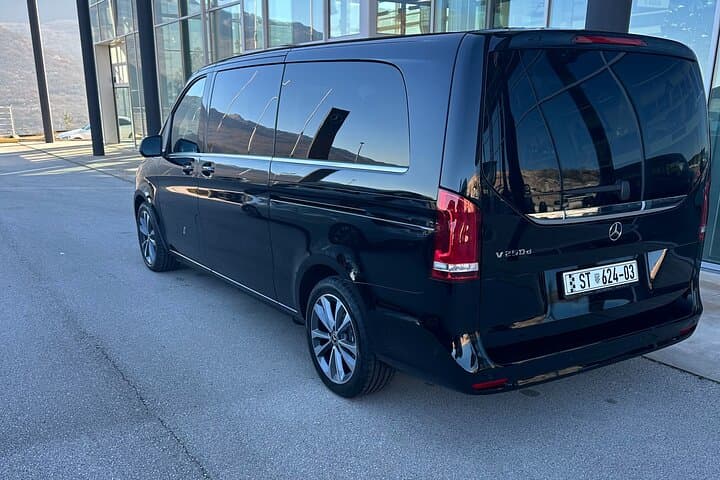
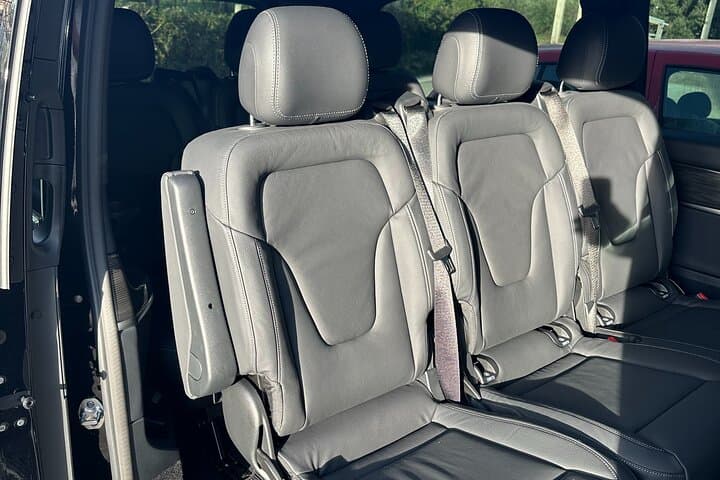
Combine a private transfer between Split and Ljubljana with a three-hour visit to Plitvice Lakes National Park. This day trip pairs scenic driving through the Lika highlands with boardwalk walks, an electric boat crossing and a stop in historic Rastoke.
Combine a private transfer between Split and Ljubljana with a three-hour visit to Plitvice Lakes National Park. This day trip pairs scenic driving through the Lika highlands with boardwalk walks, an electric boat crossing and a stop in historic Rastoke.
A mist lifts off the boardwalks as the first group steps onto Plitvice’s timber paths; turquoise pools shift and a series of falls pulses ahead, daring you to slow down. The private transfer from Split to Ljubljana threads inland through karst ridges and small Lika villages, arriving at one of Croatia’s oldest protected places for a three-hour self-guided circuit that mixes walking, an electric-boat crossing and a short road-train ride.
Verified experiences and guided adventures in the surrounding area.
Operated by Click2Shuttle - Croatia Private Transfers & Tours · Plitvička Jezera, Lika-Senj County
A mist lifts off the boardwalks as the first group steps onto Plitvice’s timber paths; turquoise pools shift and a series of falls pulses ahead, daring you to slow down. The private transfer from Split to Ljubljana threads inland through karst ridges and small Lika villages, arriving at one of Croatia’s oldest protected places for a three-hour self-guided circuit that mixes walking, an electric-boat crossing and a short road-train ride.
Plitvice Lakes National Park, established in 1949 and a UNESCO site since 1979, sits where limestone bedrock and steady springs created 16 cascading lakes and dozens of falls. Geology shapes the visit: travertine dams form natural terraces as water deposits minerals and vegetation. Nearby Rastoke—a historic cluster of watermills on the Slunjčica River—offers a quieter, vernacular counterpoint to the main park’s wide viewpoints and crowds.
Culturally, the Lika region is farmhouse-focused; trout, potatoes and slow-roasted lamb are the certainty after a morning on the paths. Expect clear signage, well-maintained boardwalks and stretches of packed earth with intermittent stone steps; footwear grip matters when the wood is wet.
Practical edge: plan for 8–10 hours door-to-door, arrive early to reduce bus-tour overlap, and reserve park tickets in the high season. Hydrate and layer—shifts from sunlit plains to shaded forest can be abrupt. Keep to marked routes, carry cash for small restaurants in Rastoke, and leave time for short viewpoint detours. The trip balances easy walking with sustained visual payoff—an efficient way to fold one of Europe’s most photogenic national parks into a long-distance transfer.
moderate.
8–10 hours.
Light to moderate fitness — the park walk includes up to three hours of mostly easy walking with short stair sections and standing time at viewpoints.
The standard visit included in this transfer is roughly three hours, covering parts of the upper and lower lakes, an electric boat crossing and optional short segments by the park train.
Admission is not automatically included — visitors should confirm ticket inclusion when booking and often must prebook timed-entry tickets independently during peak season.
Most routes are easy to moderate; the boardwalks are flat but include some steps. The park provides a road train option for those who prefer minimal walking.
Yes — the itinerary typically includes a lunch stop with recommended local restaurants near the park and a later short visit to Rastoke for a post-meal stroll.
Plitvice was Croatia’s first national park (1949) and became a UNESCO World Heritage Site in 1979 due to its geological travertine formations and intact karst ecosystem.
Visitors are expected to remain on marked trails to protect fragile travertine formations; swimming and feeding wildlife are prohibited to preserve water quality and habitats.
Click2Shuttle - Croatia Private Transfers & Tours operates guided outdoor trips and adventures with an emphasis on safety, stewardship, and memorable experiences.

A mist lifts off the boardwalks as the first group steps onto Plitvice’s timber paths; turquoise pools shift and a series of falls pulses ahead, daring you to slow down. The private transfer from Split to Ljubljana threads inland through karst ridges and small Lika villages, arriving at one of Croatia’s oldest protected places for a three-hour self-guided circuit that mixes walking, an electric-boat crossing and a short road-train ride.
A mist lifts off the boardwalks as the first group steps onto Plitvice’s timber paths; turquoise pools shift and a series of falls pulses ahead, daring you to slow down. The private transfer from Split to Ljubljana threads inland through karst ridges and small Lika villages, arriving at one of Croatia’s oldest protected places for a three-hour self-guided circuit that mixes walking, an electric-boat crossing and a short road-train ride.
Plitvice Lakes National Park, established in 1949 and a UNESCO site since 1979, sits where limestone bedrock and steady springs created 16 cascading lakes and dozens of falls. Geology shapes the visit: travertine dams form natural terraces as water deposits minerals and vegetation. Nearby Rastoke—a historic cluster of watermills on the Slunjčica River—offers a quieter, vernacular counterpoint to the main park’s wide viewpoints and crowds.
Culturally, the Lika region is farmhouse-focused; trout, potatoes and slow-roasted lamb are the certainty after a morning on the paths. Expect clear signage, well-maintained boardwalks and stretches of packed earth with intermittent stone steps; footwear grip matters when the wood is wet.
Practical edge: plan for 8–10 hours door-to-door, arrive early to reduce bus-tour overlap, and reserve park tickets in the high season. Hydrate and layer—shifts from sunlit plains to shaded forest can be abrupt. Keep to marked routes, carry cash for small restaurants in Rastoke, and leave time for short viewpoint detours. The trip balances easy walking with sustained visual payoff—an efficient way to fold one of Europe’s most photogenic national parks into a long-distance transfer.