THE ADVENTURE COLLECTIVE® · Independent discovery and booking for outdoor travel

Make the coastal drive from Split to Dubrovnik an experience rather than a transfer. Travel in comfort, pause for oysters and wine in Ston, and take in one of Europe’s longest fortified walls en route.
Make the coastal drive from Split to Dubrovnik an experience rather than a transfer. Travel in comfort, pause for oysters and wine in Ston, and take in one of Europe’s longest fortified walls en route.
You settle into a cooled, leather-trimmed seat and the Dalmatian coast unfurls outside the window: cliffs, terraced vineyards, and the pale stone roofs of villages glowing in the afternoon sun.
Verified experiences and guided adventures in the surrounding area.
Operated by Foodie Sailor travel agency · Split, Split-Dalmatia County
You settle into a cooled, leather-trimmed seat and the Dalmatian coast unfurls outside the window: cliffs, terraced vineyards, and the pale stone roofs of villages glowing in the afternoon sun.
The drive from Split to Dubrovnik follows a route steeped in maritime history—past the salt pans and fortified ramparts of Ston, where medieval walls were raised to guard the valuable salt trade of the Republic of Ragusa. The karst geology here sculpts the shoreline into low cliffs and sheltered bays, creating ideal oyster beds and pocket vineyards on the Pelješac peninsula.
Culture is tactile: fishermen hauling nets, families seated at seaside konobas plucking oysters, and small wineries handing over paper-towel-wrapped tastings of Plavac Mali. The fortified wall at Ston is the longest in Europe; its stones read like pages about regional rivalry and commerce.
Practically, this private transfer turns a potentially stressful border-cross route into a flexible, comfortable journey. Expect a 3–5 hour trip depending on how many stops you make; drivers can pause in Ston for a quick tasting or stretch your legs at viewpoints overlooking Mali Ston bay. Vehicles take up to eight passengers with space for luggage, infant seats on request, and air conditioning for summer heat.
Plan to travel light between towns, bring valid ID or passport for checkpoints, and reserve tastings ahead in high season. Aim for early or late departure windows to avoid peak traffic and cruise-ship crowds in Dubrovnik. Respect private oyster farms by staying on designated paths, and keep water and a light jacket handy for breezy seaside conditions.
easy.
3–5 hours.
Minimal; suitable for travelers of all fitness levels who can enter and exit a vehicle
Typical door-to-door time is 3 to 5 hours depending on traffic and the number/duration of stops in places like Ston.
Yes—optional stops in Ston and on Pelješac can be arranged, though reservations are recommended in high season.
The vehicle accommodates luggage for up to eight passengers; soft bags are easier to store—notify operator of oversized items in advance.
Yes—specialized infant seats are offered on request; add this detail when booking to ensure availability.
Ston’s walls and salt pans were developed by the Republic of Ragusa to protect a lucrative salt trade; the fortifications date to the medieval period.
Oyster beds and coastal ecosystems are sensitive—choose operators that follow local practices, avoid disturbing farms, and carry out waste.
Foodie Sailor travel agency operates guided outdoor trips and adventures with an emphasis on safety, stewardship, and memorable experiences.
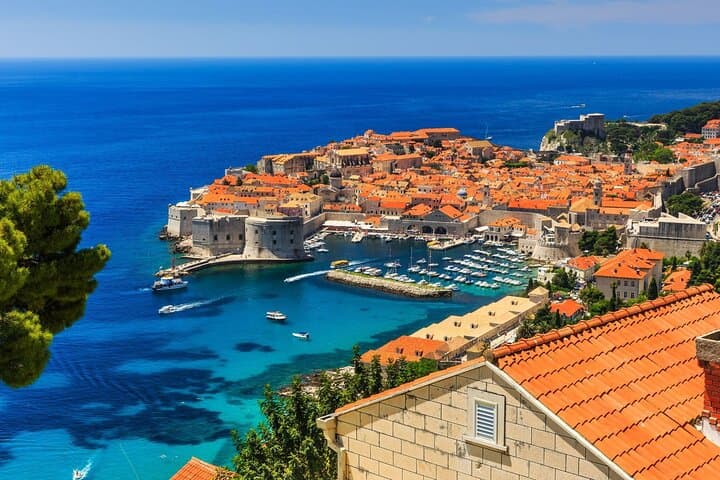
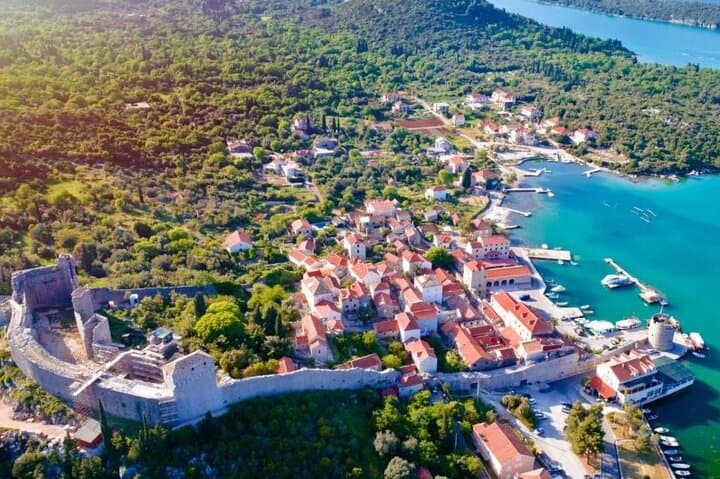

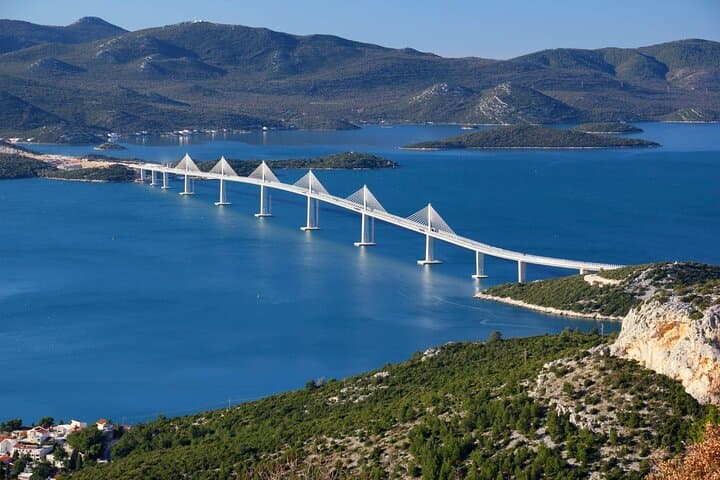
You settle into a cooled, leather-trimmed seat and the Dalmatian coast unfurls outside the window: cliffs, terraced vineyards, and the pale stone roofs of villages glowing in the afternoon sun.
You settle into a cooled, leather-trimmed seat and the Dalmatian coast unfurls outside the window: cliffs, terraced vineyards, and the pale stone roofs of villages glowing in the afternoon sun.
The drive from Split to Dubrovnik follows a route steeped in maritime history—past the salt pans and fortified ramparts of Ston, where medieval walls were raised to guard the valuable salt trade of the Republic of Ragusa. The karst geology here sculpts the shoreline into low cliffs and sheltered bays, creating ideal oyster beds and pocket vineyards on the Pelješac peninsula.
Culture is tactile: fishermen hauling nets, families seated at seaside konobas plucking oysters, and small wineries handing over paper-towel-wrapped tastings of Plavac Mali. The fortified wall at Ston is the longest in Europe; its stones read like pages about regional rivalry and commerce.
Practically, this private transfer turns a potentially stressful border-cross route into a flexible, comfortable journey. Expect a 3–5 hour trip depending on how many stops you make; drivers can pause in Ston for a quick tasting or stretch your legs at viewpoints overlooking Mali Ston bay. Vehicles take up to eight passengers with space for luggage, infant seats on request, and air conditioning for summer heat.
Plan to travel light between towns, bring valid ID or passport for checkpoints, and reserve tastings ahead in high season. Aim for early or late departure windows to avoid peak traffic and cruise-ship crowds in Dubrovnik. Respect private oyster farms by staying on designated paths, and keep water and a light jacket handy for breezy seaside conditions.