THE ADVENTURE COLLECTIVE® · Independent discovery and booking for outdoor travel

Combine a private transfer from Naples to Positano with a focused two-hour guided tour of Pompeii. Drive times, accessibility notes and what to pack are explained to help you move smoothly from city to coast.
Combine a private transfer from Naples to Positano with a focused two-hour guided tour of Pompeii. Drive times, accessibility notes and what to pack are explained to help you move smoothly from city to coast.
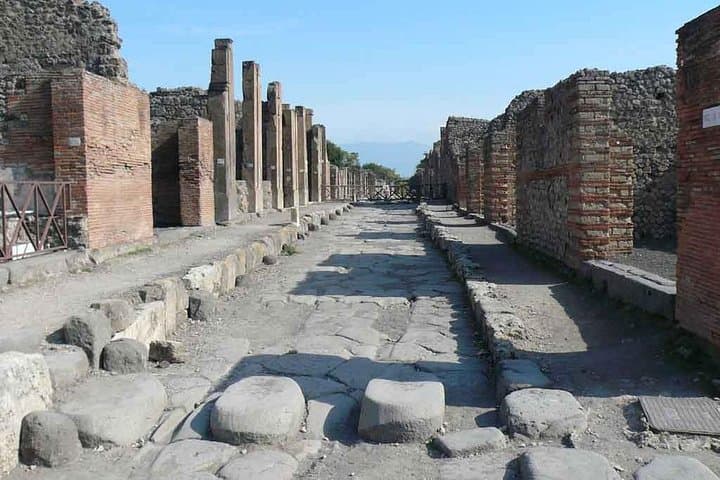
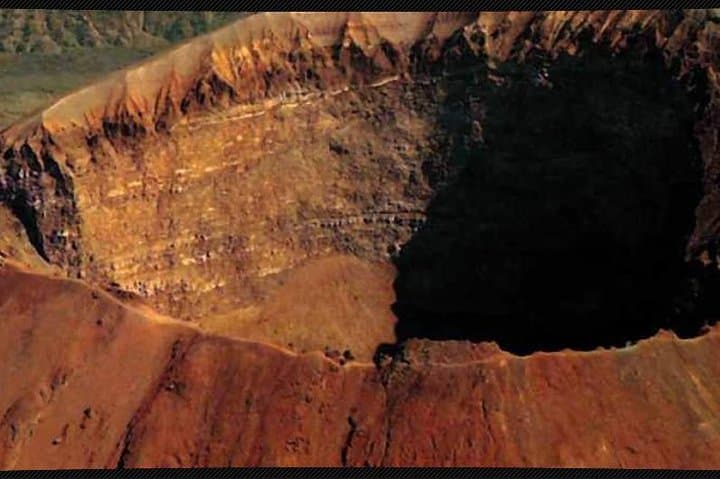
A low-slung van eases out of Naples at first light, the driver threading through streets that still smell of espresso and frying sfogliatelle. The road opens toward the plain of Pompeii, and Mount Vesuvius looms like a quiet, watchful neighbor. For two concentrated hours a private guide walks you through stone streets where plaster casts of lives frozen in AD 79 sit beside mosaics, bakeries and amphitheaters—human details that make the eruption’s geology and sudden violence feel immediate.
Verified experiences and guided adventures in the surrounding area.
Operated by Esposito Car Service · Pompeii, Campania
A low-slung van eases out of Naples at first light, the driver threading through streets that still smell of espresso and frying sfogliatelle. The road opens toward the plain of Pompeii, and Mount Vesuvius looms like a quiet, watchful neighbor. For two concentrated hours a private guide walks you through stone streets where plaster casts of lives frozen in AD 79 sit beside mosaics, bakeries and amphitheaters—human details that make the eruption’s geology and sudden violence feel immediate.
Pompeii’s ash-layered preservation is a case study in volcanic sedimentation and urban archaeology: streets laid out in a Roman grid, houses with atria, and commercial quarters where the scale of daily commerce is visible in counters and weights. Culturally, the site is a direct window onto Roman provincial life and Campania’s long history as a crossroads of the Mediterranean.
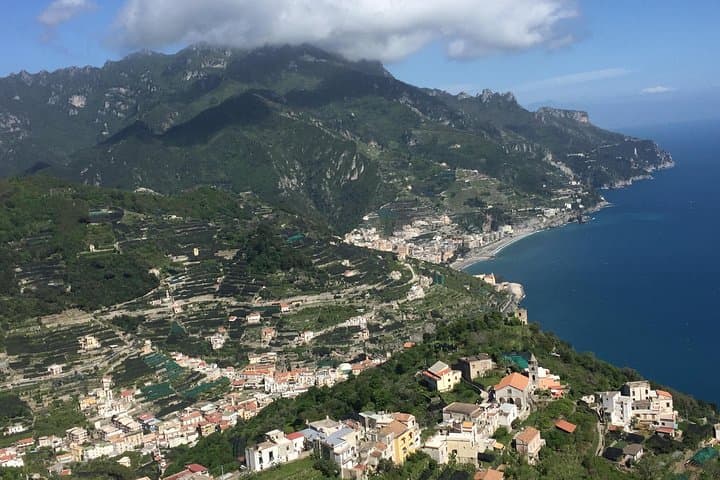
After the tour the transfer becomes a coastal transition: narrow curves, limoncello-sprayed air, and a slower pace as the Amalfi cliffs draw you down to Positano. Expect roughly 30–40 minutes from central Naples to Pompeii, two hours on-site, then about 1–1.5 hours to Positano depending on traffic.
Practical guidance: wear sturdy walking shoes for uneven stone, bring sun protection and water, and confirm whether Pompeii entry fees are included. The route is accessible with advance notice for mobility needs, but the archaeological park itself has rough surfaces. Plan pickups early to avoid afternoon heat and the busiest coach arrivals, and carry small bills for guide gratuities or a quick espresso in a nearby café.
easy.
5 hours.
Suitable for most fitness levels; requires at least moderate mobility for walking on uneven archaeological surfaces
No—this tour’s itinerary notes admission is not included, so purchase tickets ahead or bring payment for entry at the site.
The itinerary provides a two-hour private guided tour of the archaeological park, which covers the principal streets, houses and public buildings.
Yes—pickups are offered from Naples airport and central railway stations; supply arrival details at booking to coordinate timing.
Transportation and many areas are wheelchair accessible according to the provider, but surfaces inside Pompeii are uneven—check with the operator to plan routes and assistance.
Pompeii was buried by Mount Vesuvius in AD 79; the ash preserved streets, homes and everyday objects, offering a rare snapshot of Roman provincial life.
Visitor management and conservation programs limit wear on fragile structures; stick to marked paths and follow guide instructions to help preserve the site.
Esposito Car Service operates guided outdoor trips and adventures with an emphasis on safety, stewardship, and memorable experiences.

A low-slung van eases out of Naples at first light, the driver threading through streets that still smell of espresso and frying sfogliatelle. The road opens toward the plain of Pompeii, and Mount Vesuvius looms like a quiet, watchful neighbor. For two concentrated hours a private guide walks you through stone streets where plaster casts of lives frozen in AD 79 sit beside mosaics, bakeries and amphitheaters—human details that make the eruption’s geology and sudden violence feel immediate.
A low-slung van eases out of Naples at first light, the driver threading through streets that still smell of espresso and frying sfogliatelle. The road opens toward the plain of Pompeii, and Mount Vesuvius looms like a quiet, watchful neighbor. For two concentrated hours a private guide walks you through stone streets where plaster casts of lives frozen in AD 79 sit beside mosaics, bakeries and amphitheaters—human details that make the eruption’s geology and sudden violence feel immediate.
Pompeii’s ash-layered preservation is a case study in volcanic sedimentation and urban archaeology: streets laid out in a Roman grid, houses with atria, and commercial quarters where the scale of daily commerce is visible in counters and weights. Culturally, the site is a direct window onto Roman provincial life and Campania’s long history as a crossroads of the Mediterranean.
After the tour the transfer becomes a coastal transition: narrow curves, limoncello-sprayed air, and a slower pace as the Amalfi cliffs draw you down to Positano. Expect roughly 30–40 minutes from central Naples to Pompeii, two hours on-site, then about 1–1.5 hours to Positano depending on traffic.
Practical guidance: wear sturdy walking shoes for uneven stone, bring sun protection and water, and confirm whether Pompeii entry fees are included. The route is accessible with advance notice for mobility needs, but the archaeological park itself has rough surfaces. Plan pickups early to avoid afternoon heat and the busiest coach arrivals, and carry small bills for guide gratuities or a quick espresso in a nearby café.