THE ADVENTURE COLLECTIVE® · Independent discovery and booking for outdoor travel

A private, door-to-door transfer from Munich to Vienna with a curated two-hour stop in Hallstatt, Melk, or Salzburg—ideal for travelers who want efficient travel with one meaningful cultural stop en route. Comfortable vehicles, an English-speaking local driver, and flexible pickup/drop-off make it a practical cross-border option.
A private, door-to-door transfer from Munich to Vienna with a curated two-hour stop in Hallstatt, Melk, or Salzburg—ideal for travelers who want efficient travel with one meaningful cultural stop en route. Comfortable vehicles, an English-speaking local driver, and flexible pickup/drop-off make it a practical cross-border option.
You slide into leather seats as Munich’s morning light thins and the highway unfurls east—past spruce-draped foothills, roadside farms, and the first hints of the Alps rising like a line on the horizon. The driver navigates smoothly; for two hours you’ll step off for a focused visit in Hallstatt’s lake edge lanes, Melk’s abbey terraces, or Salzburg’s baroque streets, then continue toward Vienna’s broad boulevards.
Verified experiences and guided adventures in the surrounding area.
Operated by Europe Journey - Private Sightseeing Transfers and Day Tours · Munich, Bavaria
You slide into leather seats as Munich’s morning light thins and the highway unfurls east—past spruce-draped foothills, roadside farms, and the first hints of the Alps rising like a line on the horizon. The driver navigates smoothly; for two hours you’ll step off for a focused visit in Hallstatt’s lake edge lanes, Melk’s abbey terraces, or Salzburg’s baroque streets, then continue toward Vienna’s broad boulevards.
This route traces centuries of exchange across Bavaria and Austria: salt routes that built Hallstatt’s early wealth, the Benedictine patronage that shaped Melk Abbey’s skyline, and Salzburg’s musical legacy carved out by trade and riverways. Geologically the corridor moves from molasse plains into limestone and Dachstein formations—expect steep valley walls, crystalline lakes, and scattered karst outcrops where springs puncture the slopes.
Culturally you’ll pass German and Austro-Bavarian towns where coffeehouse traditions, alpine architecture, and monastery art converge. Local drivers often share pointed recommendations—quiet viewpoints, bakeries, or short lakeside walks—so use the stop to steep yourself in one place rather than rush through three.
Practical guidance: carry passports and any necessary IDs for the international crossing, book the correct vehicle size for luggage and passengers, and plan stops around light—midday visits can be busiest in peak season. Wear comfortable shoes for cobbled streets and a light layer for alpine breezes. Entrance fees to museums or abbeys aren’t included; cash or card should be on hand. Expect five to six hours door-to-door, and consider extending the stop if you want a short hike, a longer meal, or to avoid crowds.
easy.
5–6 hours.
No special fitness required; light walking during the 2-hour sightseeing stop is typical.
Yes—bookers select one 2-hour sightseeing stop from Hallstatt, Melk, or Salzburg when arranging the transfer; notify the operator of preferences.
No—entrance fees for museums, abbeys, or guided tours at the stops are not included and must be purchased separately.
Vehicle type depends on passenger count: sedan/combi for 1–3, MPV for 4, and van for groups of 5–8; request a larger vehicle if you need extra space.
Most EU citizens travel freely between Germany and Austria; non-EU travelers should check visa requirements for both countries before booking.
The corridor follows historical trade and salt routes that shaped Hallstatt’s prehistoric settlement and financed Melk Abbey’s later baroque expansion.
High visitation strains small towns like Hallstatt—stick to marked paths, avoid parking in restricted areas, and support local businesses to help sustainable tourism.
Europe Journey - Private Sightseeing Transfers and Day Tours operates guided outdoor trips and adventures with an emphasis on safety, stewardship, and memorable experiences.
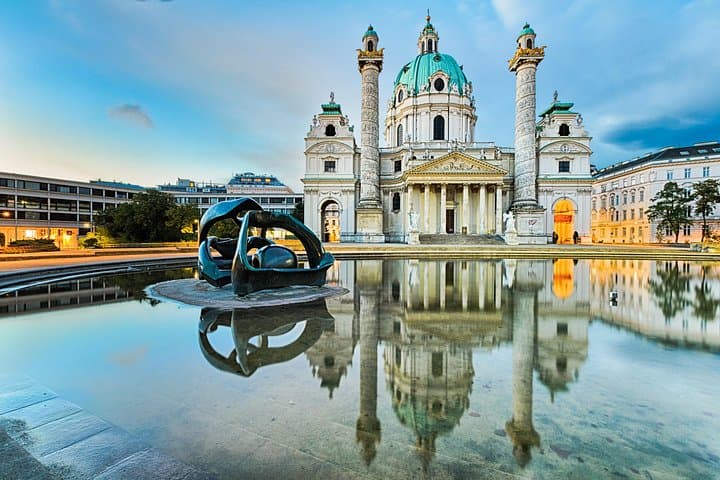
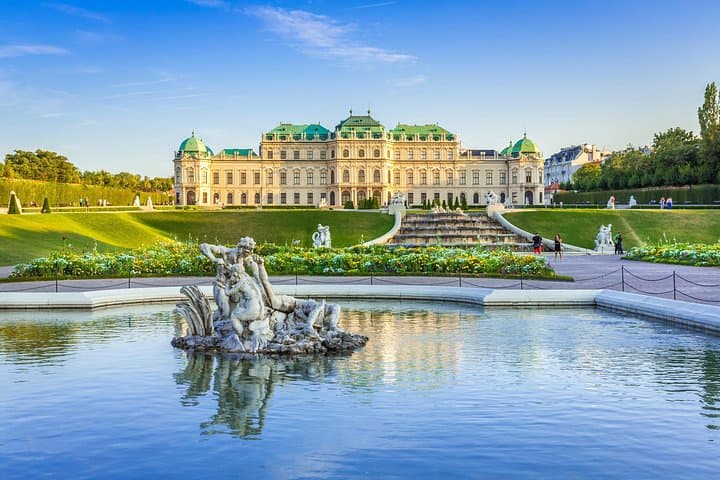
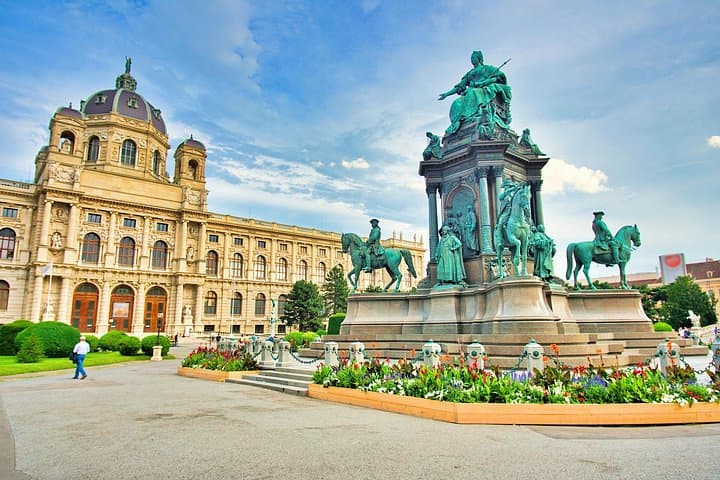
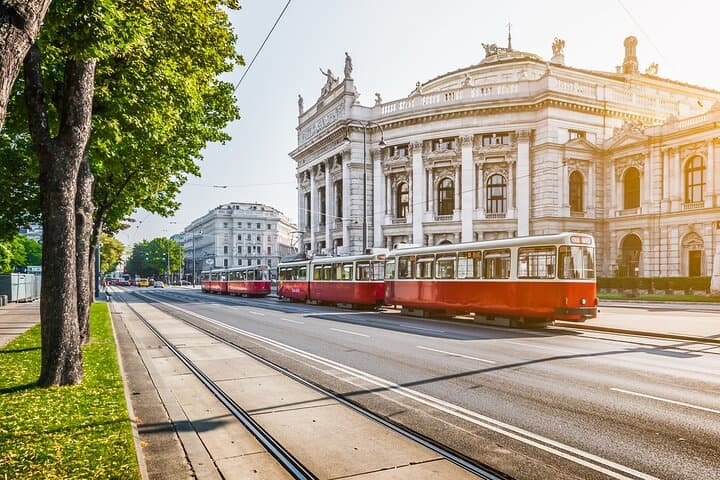
You slide into leather seats as Munich’s morning light thins and the highway unfurls east—past spruce-draped foothills, roadside farms, and the first hints of the Alps rising like a line on the horizon. The driver navigates smoothly; for two hours you’ll step off for a focused visit in Hallstatt’s lake edge lanes, Melk’s abbey terraces, or Salzburg’s baroque streets, then continue toward Vienna’s broad boulevards.
You slide into leather seats as Munich’s morning light thins and the highway unfurls east—past spruce-draped foothills, roadside farms, and the first hints of the Alps rising like a line on the horizon. The driver navigates smoothly; for two hours you’ll step off for a focused visit in Hallstatt’s lake edge lanes, Melk’s abbey terraces, or Salzburg’s baroque streets, then continue toward Vienna’s broad boulevards.
This route traces centuries of exchange across Bavaria and Austria: salt routes that built Hallstatt’s early wealth, the Benedictine patronage that shaped Melk Abbey’s skyline, and Salzburg’s musical legacy carved out by trade and riverways. Geologically the corridor moves from molasse plains into limestone and Dachstein formations—expect steep valley walls, crystalline lakes, and scattered karst outcrops where springs puncture the slopes.
Culturally you’ll pass German and Austro-Bavarian towns where coffeehouse traditions, alpine architecture, and monastery art converge. Local drivers often share pointed recommendations—quiet viewpoints, bakeries, or short lakeside walks—so use the stop to steep yourself in one place rather than rush through three.
Practical guidance: carry passports and any necessary IDs for the international crossing, book the correct vehicle size for luggage and passengers, and plan stops around light—midday visits can be busiest in peak season. Wear comfortable shoes for cobbled streets and a light layer for alpine breezes. Entrance fees to museums or abbeys aren’t included; cash or card should be on hand. Expect five to six hours door-to-door, and consider extending the stop if you want a short hike, a longer meal, or to avoid crowds.