THE ADVENTURE COLLECTIVE® · Independent discovery and booking for outdoor travel

Reserve a private, air-conditioned transfer from Los Sueños Resort & Marina to SJO for a stress-free end to your Costa Rica coast stay. Expect bilingual drivers, bottled water, Wi‑Fi and an optional pause at the Tarcoles bridge for a last glimpse of the mangroves.
Reserve a private, air-conditioned transfer from Los Sueños Resort & Marina to SJO for a stress-free end to your Costa Rica coast stay. Expect bilingual drivers, bottled water, Wi‑Fi and an optional pause at the Tarcoles bridge for a last glimpse of the mangroves.
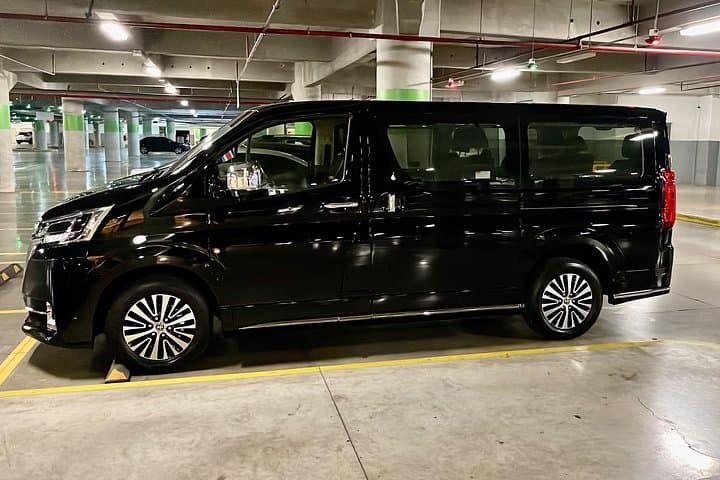
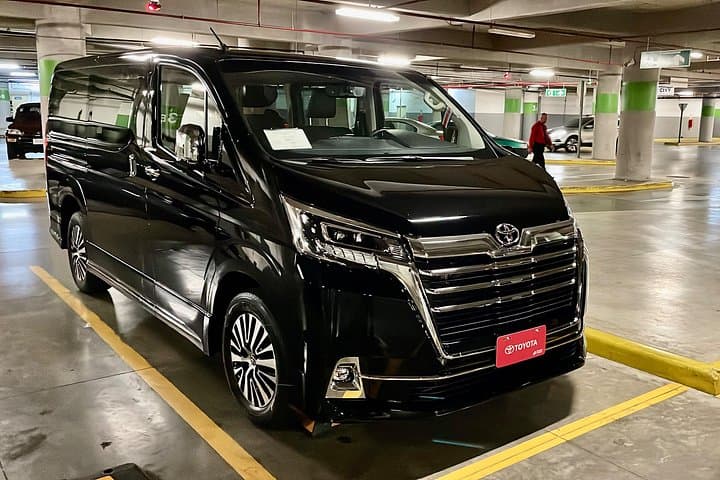
A traveler steps out of the shaded driveway of Los Sueños Resort and Marina into warm Pacific air; a driver greets them with a name card, slides luggage into an air-conditioned van and eases onto the coastal highway toward Juan Santamaría International Airport. The route threads past the low mangroves of Río Tarcoles, the occasional fisherman’s skiff, and roadside stands selling fresh fruit — a final coastal chapter before the city.
Verified experiences and guided adventures in the surrounding area.
Operated by Travel Guide Costa Rica · Herradura, Puntarenas
A traveler steps out of the shaded driveway of Los Sueños Resort and Marina into warm Pacific air; a driver greets them with a name card, slides luggage into an air-conditioned van and eases onto the coastal highway toward Juan Santamaría International Airport. The route threads past the low mangroves of Río Tarcoles, the occasional fisherman’s skiff, and roadside stands selling fresh fruit — a final coastal chapter before the city.
The Central Pacific has long been shaped by volcanic uplifts and coastal sediment, creating broad beaches and mangrove estuaries that supported pre-Columbian settlements and later the banana and coffee economies. Drivers on this route often point out Carara’s green canopy across the highway and the Tarcoles bridge where crocodiles sun themselves — a raw, local contrast to the polished marina.
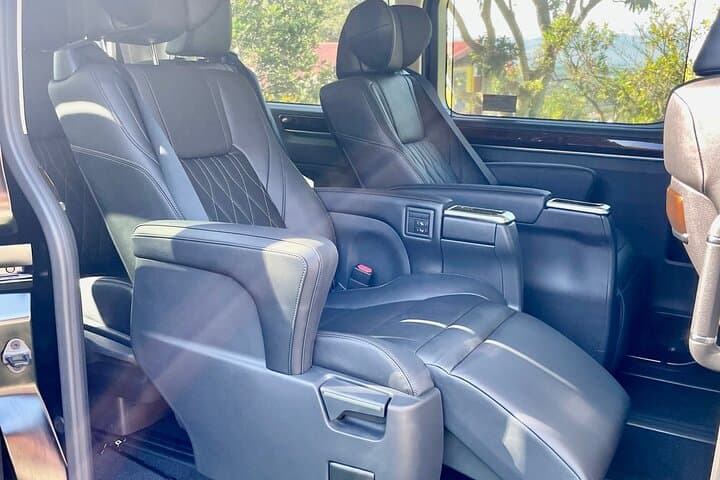
Practically, the private transfer is straightforward: multilingual drivers, bottled water, onboard Wi‑Fi and optional short stops (Tarcoles for photos or a quick snack). Plan for 75–90 minutes of road time but allow extra for peak-hour traffic into San José; flight check-in and security add time on top of transit. Bring travel documents and any required printed or mobile boarding passes, confirm your pickup point the day before, and request infant seats if needed. The advantage is predictability — a reserved vehicle, stored luggage, and a bilingual driver who can queue you through the final leg into the airport with minimal fuss.
easy.
1–1.5 hours.
No special fitness required; suitable for travelers of all ages
Typical travel time is 75–90 minutes, but allow additional time for traffic near San José during peak hours.
Yes; the operator allows short stops, including a brief stop at Río Tarcoles on request, but extended stops may affect transfer timing.
Specialized infant seats are available—request them at booking or in advance so the driver can accommodate.
Yes; drivers are typically bilingual (English/Spanish) and vehicles offer onboard Wi‑Fi and bottled water.
The Central Pacific corridor developed around coastal ports and agriculture; Los Sueños grew as a marina-resort complex tied to sportfishing and tourism in the late 20th century.
Stay on paved pull-offs and avoid disturbing wildlife at Río Tarcoles; local operators encourage limited stops to protect mangroves and roadside habitats.
Travel Guide Costa Rica operates guided outdoor trips and adventures with an emphasis on safety, stewardship, and memorable experiences.
A traveler steps out of the shaded driveway of Los Sueños Resort and Marina into warm Pacific air; a driver greets them with a name card, slides luggage into an air-conditioned van and eases onto the coastal highway toward Juan Santamaría International Airport. The route threads past the low mangroves of Río Tarcoles, the occasional fisherman’s skiff, and roadside stands selling fresh fruit — a final coastal chapter before the city.
A traveler steps out of the shaded driveway of Los Sueños Resort and Marina into warm Pacific air; a driver greets them with a name card, slides luggage into an air-conditioned van and eases onto the coastal highway toward Juan Santamaría International Airport. The route threads past the low mangroves of Río Tarcoles, the occasional fisherman’s skiff, and roadside stands selling fresh fruit — a final coastal chapter before the city.
The Central Pacific has long been shaped by volcanic uplifts and coastal sediment, creating broad beaches and mangrove estuaries that supported pre-Columbian settlements and later the banana and coffee economies. Drivers on this route often point out Carara’s green canopy across the highway and the Tarcoles bridge where crocodiles sun themselves — a raw, local contrast to the polished marina.
Practically, the private transfer is straightforward: multilingual drivers, bottled water, onboard Wi‑Fi and optional short stops (Tarcoles for photos or a quick snack). Plan for 75–90 minutes of road time but allow extra for peak-hour traffic into San José; flight check-in and security add time on top of transit. Bring travel documents and any required printed or mobile boarding passes, confirm your pickup point the day before, and request infant seats if needed. The advantage is predictability — a reserved vehicle, stored luggage, and a bilingual driver who can queue you through the final leg into the airport with minimal fuss.