THE ADVENTURE COLLECTIVE® · Independent discovery and booking for outdoor travel

Skip the parking lines and uncertainty: a private door-to-ship transfer from London to Dover moves you directly from hotel or airport to the cruise terminal. Expect tracked pickups, luggage help, and a steady drive past the White Cliffs.
Skip the parking lines and uncertainty: a private door-to-ship transfer from London to Dover moves you directly from hotel or airport to the cruise terminal. Expect tracked pickups, luggage help, and a steady drive past the White Cliffs.
You step out of a London hotel lobby with a rolling case and a boarding pass; a driver holds a neat name sign, and the city's hum slides away as the car eases onto the M20. The route is purposeful — motorway miles give way to Kent lanes, and then the chalk face of the White Cliffs appears, bright against the sea. Arrival at Dover Cruise Port is immediate and practical: baggage handled, terminals within sight, the ship a short walk from the vehicle.
Verified experiences and guided adventures in the surrounding area.
Operated by London Minicab Service · Dover, Kent
You step out of a London hotel lobby with a rolling case and a boarding pass; a driver holds a neat name sign, and the city's hum slides away as the car eases onto the M20. The route is purposeful — motorway miles give way to Kent lanes, and then the chalk face of the White Cliffs appears, bright against the sea. Arrival at Dover Cruise Port is immediate and practical: baggage handled, terminals within sight, the ship a short walk from the vehicle.
Dover has been a maritime gateway for centuries. Its white cliffs are Late Cretaceous chalk — compressed marine plankton — sculpted by wind and waves and visible from yards away as you approach. The port itself grew around strategic ferry and naval infrastructure; today it balances commercial shipping, passenger ferries and cruise operations, a place where local fishing heritage meets global itineraries.
Culturally, Kent's towns keep an unpretentious, service-oriented cadence: drivers know traffic patterns, ULEZ zones and port procedures. Practicalities matter here — terminals are allocated, embarkation windows are strict, and parking is limited; a private transfer collapses those variables into a single, tracked trip.
Plan on 1.5–2.5 hours depending on pickup point and traffic; add extra buffer for airport connections. Expect meet-and-greet, luggage assistance, and flight tracking on return pickups. Bring printed or mobile tickets, valid IDs for all travelers, and a clearly labeled pickup address. If you travel with mobility needs or infants, request accessible vehicles and child seats in advance. The trip is simple by design — it moves you from city to ship with time saved and stress reduced.
easy.
1.5–2.5 hours.
Suitable for travelers of all fitness levels; primarily seated travel with minimal mobility demands
Typical drive time is about 2–2.5 hours from Central London, but allow up to 2.5 hours with traffic or airport pickups.
Yes — operators track flights and adjust pickup times for delays, but always confirm your flight number when booking.
Yes — both infant seats and wheelchair-accessible vehicles can be requested; specify needs during booking so the vehicle is prepared.
Drivers will drop passengers at the designated cruise terminal (Terminal 1 or 2) nearest the ship’s gangway for efficient embarkation; confirm terminal details before travel.
Dover’s prominence grew from its strategic position on the English Channel; its cliffs and port have been defense and crossing points since Roman times and were crucial in WWII evacuations.
The White Cliffs are ecologically sensitive chalk grassland; visitors should avoid cliff edges and stick to designated paths to protect nesting birds and fragile habitat.
London Minicab Service operates guided outdoor trips and adventures with an emphasis on safety, stewardship, and memorable experiences.
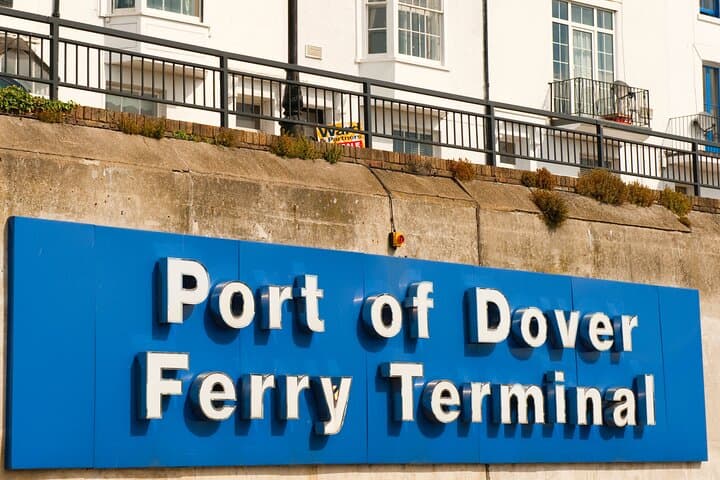
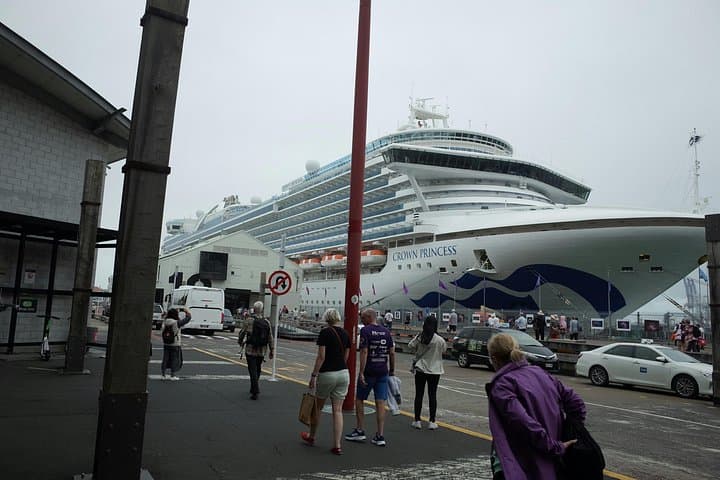
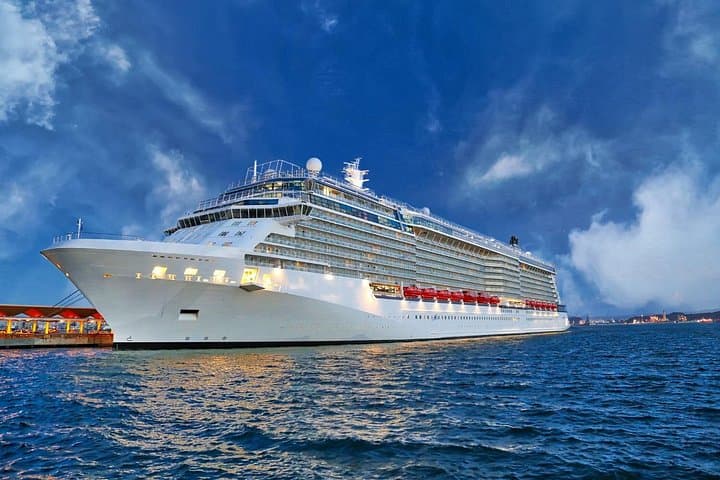
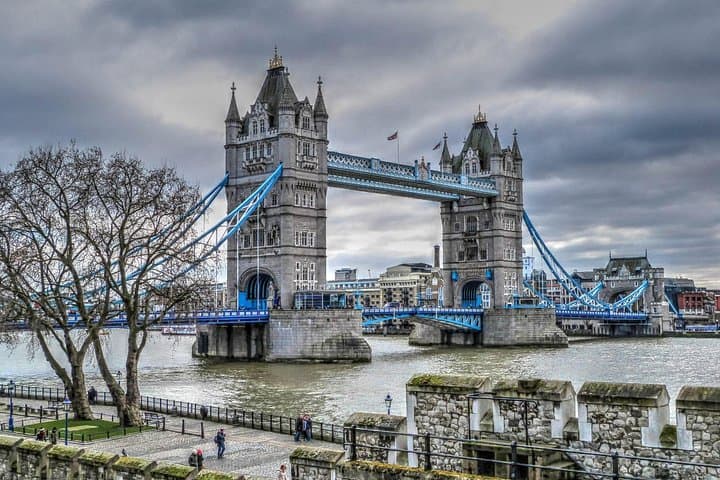
You step out of a London hotel lobby with a rolling case and a boarding pass; a driver holds a neat name sign, and the city's hum slides away as the car eases onto the M20. The route is purposeful — motorway miles give way to Kent lanes, and then the chalk face of the White Cliffs appears, bright against the sea. Arrival at Dover Cruise Port is immediate and practical: baggage handled, terminals within sight, the ship a short walk from the vehicle.
You step out of a London hotel lobby with a rolling case and a boarding pass; a driver holds a neat name sign, and the city's hum slides away as the car eases onto the M20. The route is purposeful — motorway miles give way to Kent lanes, and then the chalk face of the White Cliffs appears, bright against the sea. Arrival at Dover Cruise Port is immediate and practical: baggage handled, terminals within sight, the ship a short walk from the vehicle.
Dover has been a maritime gateway for centuries. Its white cliffs are Late Cretaceous chalk — compressed marine plankton — sculpted by wind and waves and visible from yards away as you approach. The port itself grew around strategic ferry and naval infrastructure; today it balances commercial shipping, passenger ferries and cruise operations, a place where local fishing heritage meets global itineraries.
Culturally, Kent's towns keep an unpretentious, service-oriented cadence: drivers know traffic patterns, ULEZ zones and port procedures. Practicalities matter here — terminals are allocated, embarkation windows are strict, and parking is limited; a private transfer collapses those variables into a single, tracked trip.
Plan on 1.5–2.5 hours depending on pickup point and traffic; add extra buffer for airport connections. Expect meet-and-greet, luggage assistance, and flight tracking on return pickups. Bring printed or mobile tickets, valid IDs for all travelers, and a clearly labeled pickup address. If you travel with mobility needs or infants, request accessible vehicles and child seats in advance. The trip is simple by design — it moves you from city to ship with time saved and stress reduced.