THE ADVENTURE COLLECTIVE® · Independent discovery and booking for outdoor travel

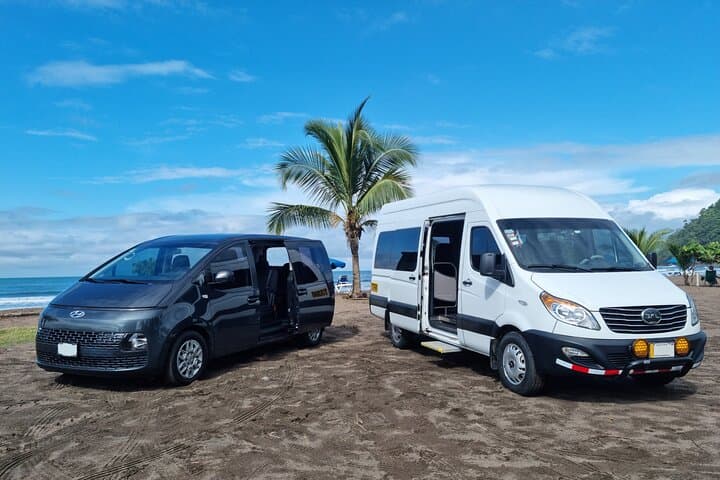
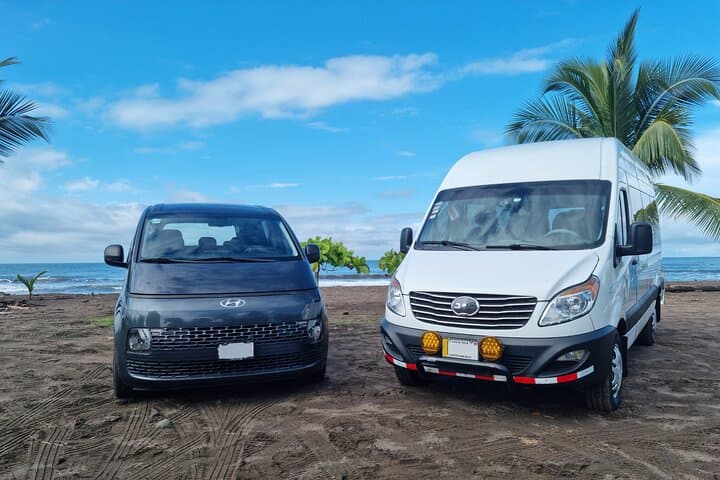
Skip the shuttle stress and trade the highway for a curated drive from SJO to Manuel Antonio that includes a daylight stop at the famous Crocodile Bridge. Comfortable vehicles, bilingual drivers, and flight tracking make this a simple, wildlife-friendly way to reach the coast.
Skip the shuttle stress and trade the highway for a curated drive from SJO to Manuel Antonio that includes a daylight stop at the famous Crocodile Bridge. Comfortable vehicles, bilingual drivers, and flight tracking make this a simple, wildlife-friendly way to reach the coast.
The van hums to life outside Juan Santamaría, and the city’s concrete gives way to the slow green climb of the Central Valley. Windows down, you watch banana plantations and red dirt roads slide past, and the driver points toward a narrow span where the Tárcoles River opens like a dark ribbon — the Crocodile Bridge stop arrives before the coast does, sudden and oddly theatrical.
Verified experiences and guided adventures in the surrounding area.
Operated by TicoWay · Manuel Antonio, Puntarenas
The van hums to life outside Juan Santamaría, and the city’s concrete gives way to the slow green climb of the Central Valley. Windows down, you watch banana plantations and red dirt roads slide past, and the driver points toward a narrow span where the Tárcoles River opens like a dark ribbon — the Crocodile Bridge stop arrives before the coast does, sudden and oddly theatrical.
This transfer is both practical and a primer on Costa Rica’s Pacific rim. The road follows old trade routes carved by settlers and coffee farmers; the coastline you approach was shaped by tectonic uplift and volcanic sediments, producing the low cliffs and sandy coves around Manuel Antonio and Quepos. Local culture here mixes fishing-village rhythms with a growing national tourism industry — you’ll see panga boats tied alongside sportfishing charters and roadside stands selling empanadas and fresh fruit.
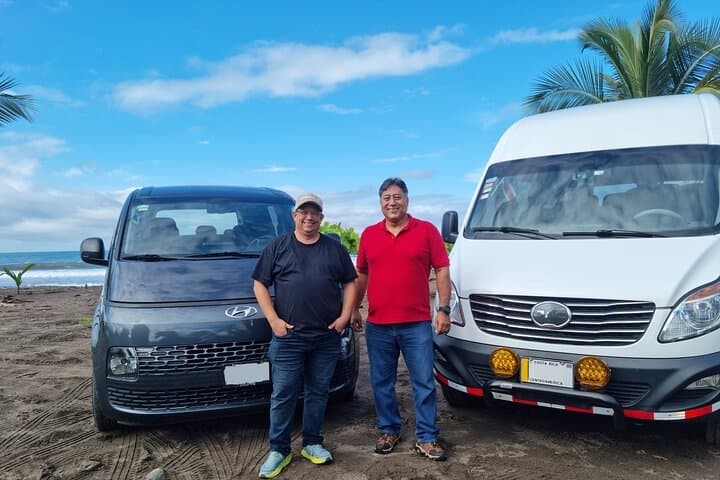
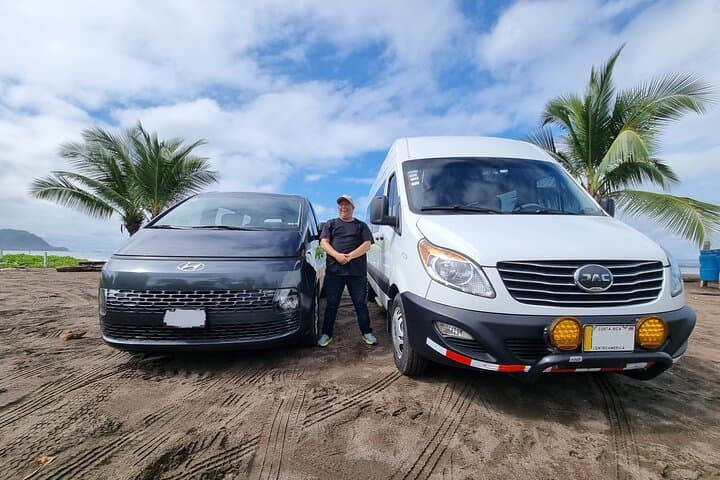
Expect a comfortable, air-conditioned ride of roughly three hours with room for luggage and boards. The optional daylight stop at the Crocodile Bridge offers safe, roadside viewing of large American crocodiles that congregate in the river’s mouth; bring a telephoto lens and keep to the viewing area. Drivers are bilingual and track flights, which removes a lot of the usual travel guesswork.
Practical tips: schedule daytime arrivals for the crocodile stop, pack a light rain layer during the wet season, and keep passports and hotel details handy for quick drop-offs. This transfer is straightforward logistics paired with a compact wildlife encounter — a sensible way to move between San José and the Pacific coast without losing a moment of the country’s natural drama.
easy.
3 hours.
Suitable for travelers of all fitness levels; minimal walking required at roadside stops.
No—the stop is offered during daylight and in good weather; it may be skipped for safety or operational reasons, but drivers communicate changes in advance.
Yes—vehicles have space for surfboards and large bags, but you should note dimensions during booking so the operator can assign an appropriate vehicle.
Drivers track flight arrivals and adjust pickup times when flights are delayed; provide your airline and flight number during booking for monitoring.
Yes—complimentary bottled water, fresh fruit juices, and local beer are provided during the ride as listed in the inclusions.
The coastal road links valleys once dominated by coffee and banana exports; Quepos grew as a fishing and logging port before tourism reshaped the local economy around Manuel Antonio National Park.
Respect viewing distances at the Crocodile Bridge and avoid feeding wildlife; supporting licensed operators helps fund protected-area management and community-based conservation.
TicoWay operates guided outdoor trips and adventures with an emphasis on safety, stewardship, and memorable experiences.
The van hums to life outside Juan Santamaría, and the city’s concrete gives way to the slow green climb of the Central Valley. Windows down, you watch banana plantations and red dirt roads slide past, and the driver points toward a narrow span where the Tárcoles River opens like a dark ribbon — the Crocodile Bridge stop arrives before the coast does, sudden and oddly theatrical.
The van hums to life outside Juan Santamaría, and the city’s concrete gives way to the slow green climb of the Central Valley. Windows down, you watch banana plantations and red dirt roads slide past, and the driver points toward a narrow span where the Tárcoles River opens like a dark ribbon — the Crocodile Bridge stop arrives before the coast does, sudden and oddly theatrical.
This transfer is both practical and a primer on Costa Rica’s Pacific rim. The road follows old trade routes carved by settlers and coffee farmers; the coastline you approach was shaped by tectonic uplift and volcanic sediments, producing the low cliffs and sandy coves around Manuel Antonio and Quepos. Local culture here mixes fishing-village rhythms with a growing national tourism industry — you’ll see panga boats tied alongside sportfishing charters and roadside stands selling empanadas and fresh fruit.
Expect a comfortable, air-conditioned ride of roughly three hours with room for luggage and boards. The optional daylight stop at the Crocodile Bridge offers safe, roadside viewing of large American crocodiles that congregate in the river’s mouth; bring a telephoto lens and keep to the viewing area. Drivers are bilingual and track flights, which removes a lot of the usual travel guesswork.
Practical tips: schedule daytime arrivals for the crocodile stop, pack a light rain layer during the wet season, and keep passports and hotel details handy for quick drop-offs. This transfer is straightforward logistics paired with a compact wildlife encounter — a sensible way to move between San José and the Pacific coast without losing a moment of the country’s natural drama.