THE ADVENTURE COLLECTIVE® · Independent discovery and booking for outdoor travel

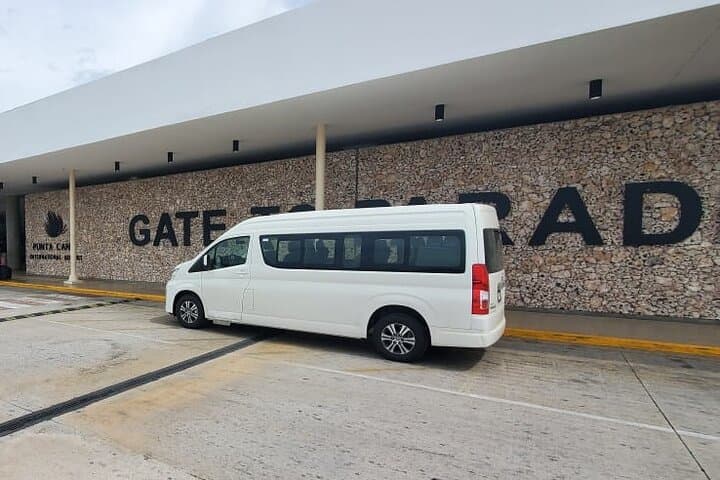
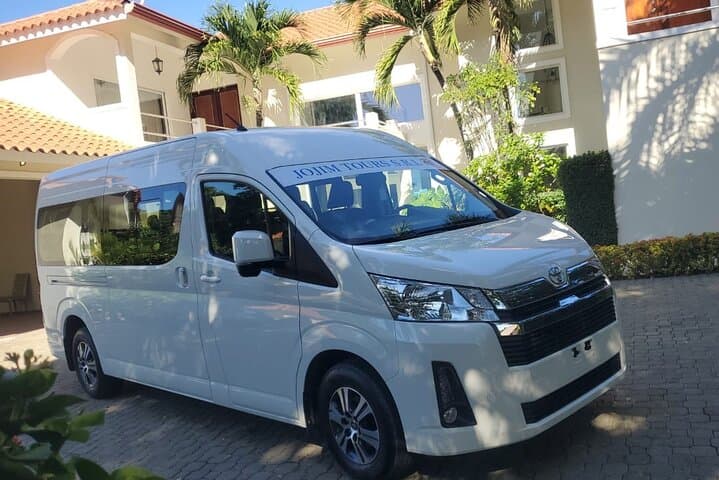
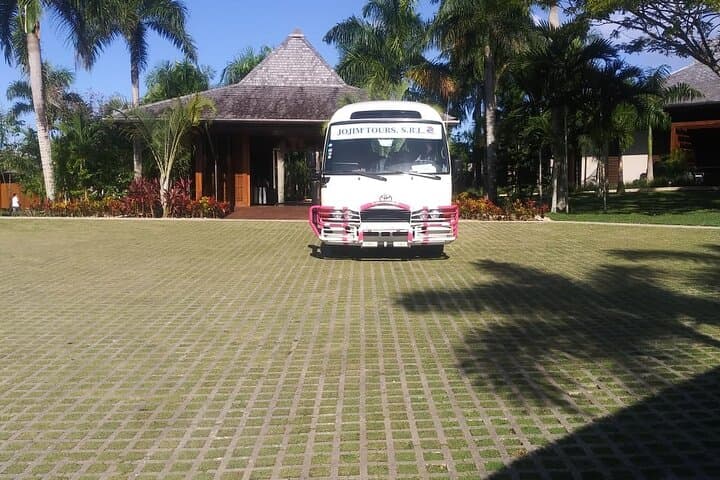
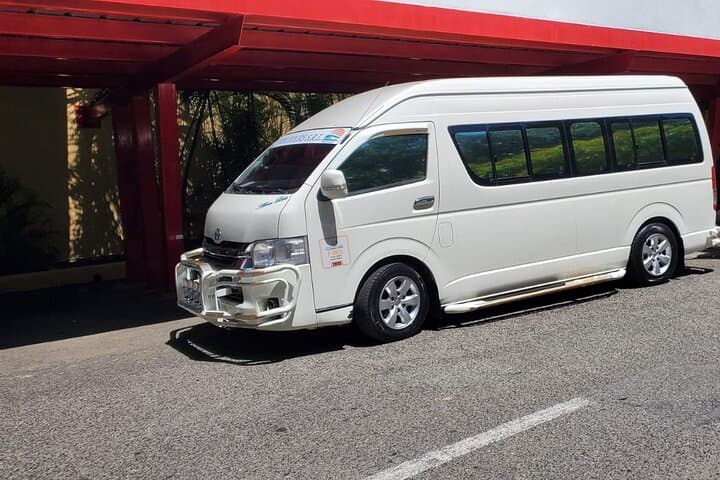
Private, door-to-door transfers connect Punta Cana Airport with Cabarete, Sosua, and Puerto Plata. Expect air-conditioned vehicles, onboard Wi‑Fi and optional infant seats — a reliable way to move across the island while seeing its coastal and inland scenery.
Private, door-to-door transfers connect Punta Cana Airport with Cabarete, Sosua, and Puerto Plata. Expect air-conditioned vehicles, onboard Wi‑Fi and optional infant seats — a reliable way to move across the island while seeing its coastal and inland scenery.
You step out of Punta Cana’s humid air into the brief shade of an airport awning and find a driver holding a crisp sign with your name. The car hums, air conditioning pulling the heat away as the island unfolds: low scrub and sugarcane giving way to rolling hills, coastal palms that lean toward the sea as if testing the breeze.
Verified experiences and guided adventures in the surrounding area.
Operated by Jojim Tours · Punta Cana, La Altagracia
You step out of Punta Cana’s humid air into the brief shade of an airport awning and find a driver holding a crisp sign with your name. The car hums, air conditioning pulling the heat away as the island unfolds: low scrub and sugarcane giving way to rolling hills, coastal palms that lean toward the sea as if testing the breeze.
The northbound route crosses a patchwork of landscapes shaped by tectonic uplift and Caribbean currents. Spanish colonial ports on the north coast—Puerto Plata among them—date to the early 1500s; modern tourism transformed Punta Cana only in the late 20th century, so the drive reads like a timeline of the Dominican Republic’s changing economy and culture. You’ll pass roadside fruit sellers, small towns with pastel houses, and occasional mangrove-lined estuaries where birds ride thermals and iguanas sun themselves on stone walls.
Practical guidance is straightforward: transfers are private and door-to-door, typically running five to six hours according to this service’s window—allow extra time for traffic, immigration queues, and rest stops. Vehicles come with AC, onboard Wi‑Fi and USB charging, and infant seats on request. Keep passports, flight details, and hotel address handy; bring local cash for tips or snacks at small stops.
Expect a comfortable, predictable transfer focused on getting you from the eastern tourist corridor to the north coast. Plan arrival windows around daylight if you want to spot beaches, and stow a light layer—coastal evenings can be breezy. With efficient drivers and basic amenities, the transfer is a practical way to bridge two distinct faces of Hispaniola.
easy.
5–6 hours.
Suitable for all fitness levels; primarily a seated road transfer
This service lists a 5–6 hour window; actual time depends on destination (Cabarete, Sosua, or Puerto Plata), traffic, and stops.
Yes—infant seats for ages 5 months to 6 years are available but should be requested at booking.
The driver will meet you at the airport exit holding a sign with your name; confirm terminal and arrival time when booking.
Yes, the vehicles include onboard Wi‑Fi and USB ports for charging devices.
Puerto Plata and other north-coast towns were among the first Spanish ports in Hispaniola; the modern tourist infrastructure in Punta Cana developed much later, reshaping regional travel patterns.
Coastal ecosystems here face development and erosion pressures—avoid single-use plastics, stick to marked beaches, and support operators engaged in marine protection.
Jojim Tours operates guided outdoor trips and adventures with an emphasis on safety, stewardship, and memorable experiences.
You step out of Punta Cana’s humid air into the brief shade of an airport awning and find a driver holding a crisp sign with your name. The car hums, air conditioning pulling the heat away as the island unfolds: low scrub and sugarcane giving way to rolling hills, coastal palms that lean toward the sea as if testing the breeze.
You step out of Punta Cana’s humid air into the brief shade of an airport awning and find a driver holding a crisp sign with your name. The car hums, air conditioning pulling the heat away as the island unfolds: low scrub and sugarcane giving way to rolling hills, coastal palms that lean toward the sea as if testing the breeze.
The northbound route crosses a patchwork of landscapes shaped by tectonic uplift and Caribbean currents. Spanish colonial ports on the north coast—Puerto Plata among them—date to the early 1500s; modern tourism transformed Punta Cana only in the late 20th century, so the drive reads like a timeline of the Dominican Republic’s changing economy and culture. You’ll pass roadside fruit sellers, small towns with pastel houses, and occasional mangrove-lined estuaries where birds ride thermals and iguanas sun themselves on stone walls.
Practical guidance is straightforward: transfers are private and door-to-door, typically running five to six hours according to this service’s window—allow extra time for traffic, immigration queues, and rest stops. Vehicles come with AC, onboard Wi‑Fi and USB charging, and infant seats on request. Keep passports, flight details, and hotel address handy; bring local cash for tips or snacks at small stops.
Expect a comfortable, predictable transfer focused on getting you from the eastern tourist corridor to the north coast. Plan arrival windows around daylight if you want to spot beaches, and stow a light layer—coastal evenings can be breezy. With efficient drivers and basic amenities, the transfer is a practical way to bridge two distinct faces of Hispaniola.