THE ADVENTURE COLLECTIVE® · Independent discovery and booking for outdoor travel

Skip taxis and waits: this private Sprinter van transfer moves passengers between PortMiami and Fort Lauderdale with bilingual drivers, Wi‑Fi and room for up to 14 people. Learn timing, luggage rules, and tips to streamline your arrival or departure.
Skip taxis and waits: this private Sprinter van transfer moves passengers between PortMiami and Fort Lauderdale with bilingual drivers, Wi‑Fi and room for up to 14 people. Learn timing, luggage rules, and tips to streamline your arrival or departure.
The van eases out of the Port of Miami, air conditioning humming, leather seats settling passengers into the steady rhythm of I-95. South Florida’s coastline slides by: concrete docks give way to canals that catch the sun, and the Atlantic keeps a distant, steady presence that seems to tug the road north toward Fort Lauderdale.
Verified experiences and guided adventures in the surrounding area.
Operated by Tango Transportation Services · Miami, Florida
The van eases out of the Port of Miami, air conditioning humming, leather seats settling passengers into the steady rhythm of I-95. South Florida’s coastline slides by: concrete docks give way to canals that catch the sun, and the Atlantic keeps a distant, steady presence that seems to tug the road north toward Fort Lauderdale.
This corridor grew with maritime commerce and postwar suburban expansion. PortMiami, long a global cruise gateway, sits on reclaimed land and dredged channels carved from Biscayne Bay’s limestone flats. Fort Lauderdale answered with marinas and beaches—cities shaped more by tides, canals, and car culture than by elevation.
Culture here mixes Cuban cafés and Bahamian seafood with business travel; bilingual drivers and multilingual signage are common. The route threads through neighborhoods where palms lean like weathered sentries and the Intracoastal Waterway dares you to look for a boat yard around every bend.
For a traveler the transfer is practical theater: luggage loaded, phones topped up on onboard USBs and Wi‑Fi, a bilingual chauffeur handling logistics so the trip becomes efficient, not frantic. Expect 30–60 minutes in normal conditions; rush hour can stretch that significantly.
Plan ahead—confirm pickup details, request child seats, and leave buffer time for flights or cruises. One suitcase per passenger is standard; larger groups benefit from the Sprinter’s capacity and door‑to‑door flexibility.
This service is less about sightseeing and more about movement—about replacing transit friction with dependable, climate‑controlled progress. For visitors arriving by ship or plane, it’s the clean, quiet start or finish to a South Florida visit.
easy.
30–60 minutes.
No special fitness required; trip is seated with assistance for luggage provided
Typical drive time is 30–60 minutes depending on traffic; allow extra time during morning/evening rush and cruise embarkation periods.
The standard allowance is one suitcase per passenger with a total of about 10 suitcases accommodated—contact the operator for oversized items.
Yes, child seats are available but must be requested at the time of booking to ensure they are provided for your ride.
The company will contact you to confirm the exact meeting point at PortMiami or your Miami hotel; provide your cruise or flight details when booking.
PortMiami developed into a global cruise hub through 20th‑century dredging and expansion; Fort Lauderdale’s canal system and yacht culture grew around postwar boating and tourism.
Coastal development and boating pressure affect local mangroves and seagrass; choose operators that minimize wake near shallow habitats and support Everglades restoration efforts.
Tango Transportation Services operates guided outdoor trips and adventures with an emphasis on safety, stewardship, and memorable experiences.
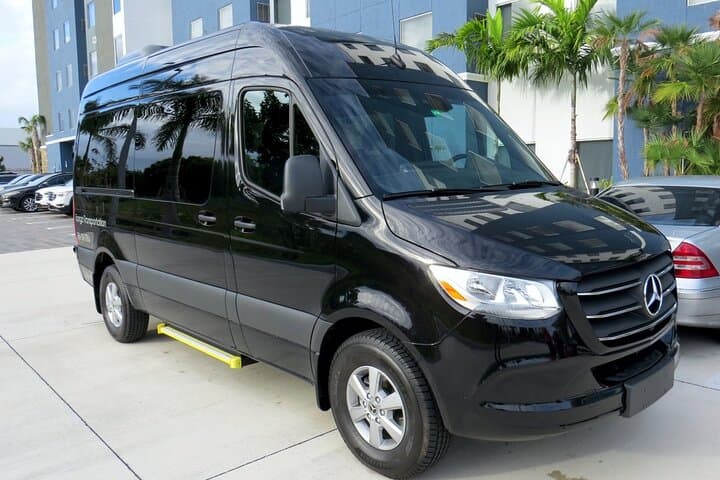
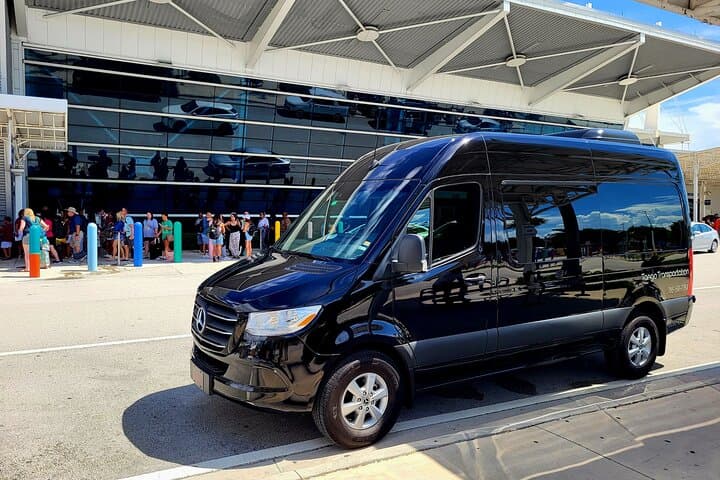
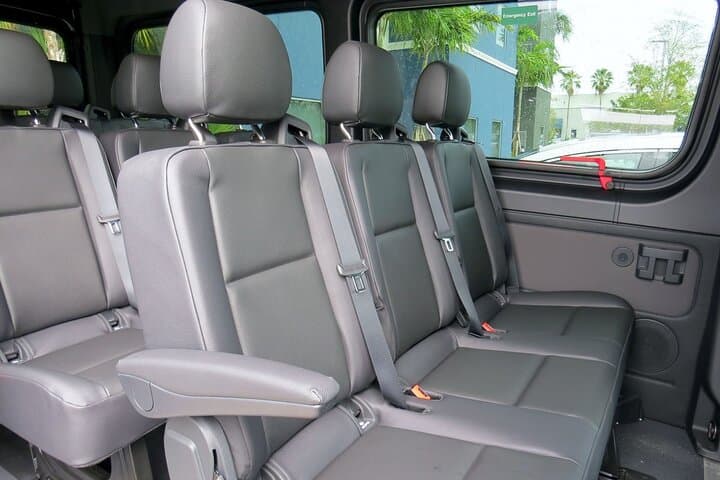
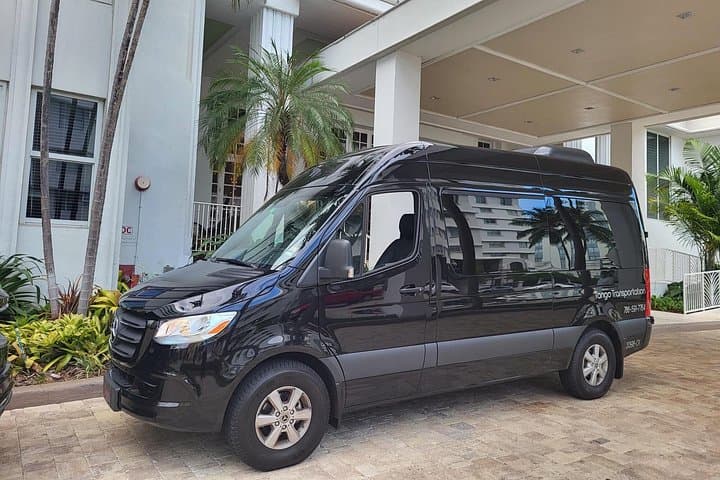
The van eases out of the Port of Miami, air conditioning humming, leather seats settling passengers into the steady rhythm of I-95. South Florida’s coastline slides by: concrete docks give way to canals that catch the sun, and the Atlantic keeps a distant, steady presence that seems to tug the road north toward Fort Lauderdale.
The van eases out of the Port of Miami, air conditioning humming, leather seats settling passengers into the steady rhythm of I-95. South Florida’s coastline slides by: concrete docks give way to canals that catch the sun, and the Atlantic keeps a distant, steady presence that seems to tug the road north toward Fort Lauderdale.
This corridor grew with maritime commerce and postwar suburban expansion. PortMiami, long a global cruise gateway, sits on reclaimed land and dredged channels carved from Biscayne Bay’s limestone flats. Fort Lauderdale answered with marinas and beaches—cities shaped more by tides, canals, and car culture than by elevation.
Culture here mixes Cuban cafés and Bahamian seafood with business travel; bilingual drivers and multilingual signage are common. The route threads through neighborhoods where palms lean like weathered sentries and the Intracoastal Waterway dares you to look for a boat yard around every bend.
For a traveler the transfer is practical theater: luggage loaded, phones topped up on onboard USBs and Wi‑Fi, a bilingual chauffeur handling logistics so the trip becomes efficient, not frantic. Expect 30–60 minutes in normal conditions; rush hour can stretch that significantly.
Plan ahead—confirm pickup details, request child seats, and leave buffer time for flights or cruises. One suitcase per passenger is standard; larger groups benefit from the Sprinter’s capacity and door‑to‑door flexibility.
This service is less about sightseeing and more about movement—about replacing transit friction with dependable, climate‑controlled progress. For visitors arriving by ship or plane, it’s the clean, quiet start or finish to a South Florida visit.