THE ADVENTURE COLLECTIVE® · Independent discovery and booking for outdoor travel

Trade the train timetable for a private drive: a chauffeured transfer from Paris to Amsterdam covers roughly 520 km in 6–7 hours, with one planned stop and door-to-door convenience. Read practical tips on tolls, border documents and sensible stops en route.
Trade the train timetable for a private drive: a chauffeured transfer from Paris to Amsterdam covers roughly 520 km in 6–7 hours, with one planned stop and door-to-door convenience. Read practical tips on tolls, border documents and sensible stops en route.
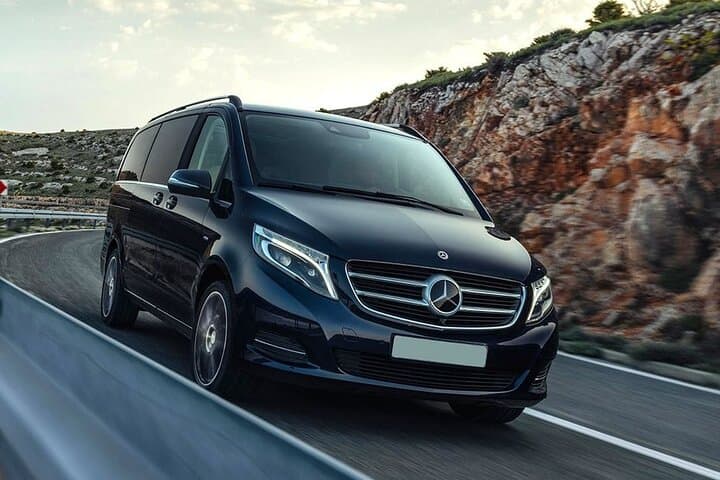
You step into a quiet, leather-seated car on a Paris morning; Haussmann facades slide past, the city yielding to flat fields and the low hum of the autoroute. The driver eases onto the A1 and the rhythm of the road takes over — a long, deliberate movement north toward the Netherlands.
Verified experiences and guided adventures in the surrounding area.
Operated by Tour Passion · Paris, Île-de-France
You step into a quiet, leather-seated car on a Paris morning; Haussmann facades slide past, the city yielding to flat fields and the low hum of the autoroute. The driver eases onto the A1 and the rhythm of the road takes over — a long, deliberate movement north toward the Netherlands.
The route crosses the Paris Basin into Hauts-de-France, brushing the industrial edge of Lille before threading into Belgian Flanders and onward through Antwerp’s shipping arteries into the Dutch polders. Geology shifts from chalky uplands to alluvial plains; culturally the language on signs changes from French to Dutch, and the architecture moves from French townhouses to Flemish brick and Dutch gables. This corridor traces centuries of trade between Paris and the Low Countries — merchants, canals and railways remade the landscape long before the modern motorway did.
Expect a mostly motorway drive of roughly 520 km (about 320 miles) and 6–7 hours door-to-door including a short comfort stop. Traffic spikes around Lille and Antwerp at commute hours; toll booths are common on French autoroutes. Good itineraries include one scheduled stop — a quick walk in Lille’s old town or coffee near Antwerp to break the journey.
Practically: carry passports and any visa documents, have a card for tolls, and pack layers — coastal winds can be cooler on arrival. For comfort, book a vehicle sized for your luggage and travel companions; confirm pickup details and any extra parking or urban access fees. The ride isn’t a tour, but it’s a direct, flexible link between two major European hubs if you want control, privacy and time on your own schedule.
easy.
6–7 hours.
No special fitness required — suitable for travelers of all physical levels who can sit for extended periods.
Yes — you should carry a valid passport; while both countries are in the Schengen Area, border controls can still occur and ID is required for hotel check-in.
French autoroutes on the quickest route have tolls; bring a card for payment. Belgium and the Netherlands typically do not charge passenger cars for motorway use.
Yes — private transfers usually allow one short stop for toilets or coffee; confirm any additional or longer stops when booking as they may affect price or timing.
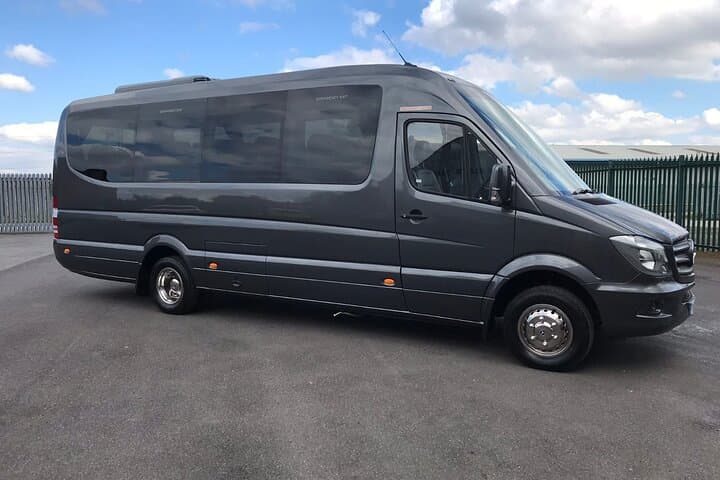
Specify the number and size of luggage pieces when booking so the provider can assign an appropriate vehicle; larger groups may need a van or multiple cars.
The Paris–Low Countries corridor has long been a trade route linking French markets with Flemish and Dutch ports; the modern autoroute follows centuries of commercial exchange.
Stay on designated stops and rest areas to avoid roadside littering; consider offsetting emissions or choosing a low-emissions vehicle when booking.
Tour Passion operates guided outdoor trips and adventures with an emphasis on safety, stewardship, and memorable experiences.
You step into a quiet, leather-seated car on a Paris morning; Haussmann facades slide past, the city yielding to flat fields and the low hum of the autoroute. The driver eases onto the A1 and the rhythm of the road takes over — a long, deliberate movement north toward the Netherlands.
You step into a quiet, leather-seated car on a Paris morning; Haussmann facades slide past, the city yielding to flat fields and the low hum of the autoroute. The driver eases onto the A1 and the rhythm of the road takes over — a long, deliberate movement north toward the Netherlands.
The route crosses the Paris Basin into Hauts-de-France, brushing the industrial edge of Lille before threading into Belgian Flanders and onward through Antwerp’s shipping arteries into the Dutch polders. Geology shifts from chalky uplands to alluvial plains; culturally the language on signs changes from French to Dutch, and the architecture moves from French townhouses to Flemish brick and Dutch gables. This corridor traces centuries of trade between Paris and the Low Countries — merchants, canals and railways remade the landscape long before the modern motorway did.
Expect a mostly motorway drive of roughly 520 km (about 320 miles) and 6–7 hours door-to-door including a short comfort stop. Traffic spikes around Lille and Antwerp at commute hours; toll booths are common on French autoroutes. Good itineraries include one scheduled stop — a quick walk in Lille’s old town or coffee near Antwerp to break the journey.
Practically: carry passports and any visa documents, have a card for tolls, and pack layers — coastal winds can be cooler on arrival. For comfort, book a vehicle sized for your luggage and travel companions; confirm pickup details and any extra parking or urban access fees. The ride isn’t a tour, but it’s a direct, flexible link between two major European hubs if you want control, privacy and time on your own schedule.