THE ADVENTURE COLLECTIVE® · Independent discovery and booking for outdoor travel

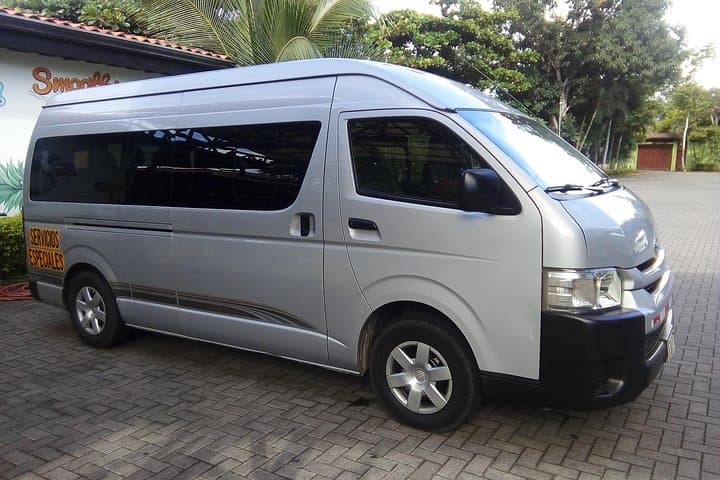
Travel comfortably from Papagayo’s coast to San José with a private, bilingual-driven transfer. Expect 3–4 hours of scenic highway, optional stops and door-to-door service tailored to flight schedules.
Travel comfortably from Papagayo’s coast to San José with a private, bilingual-driven transfer. Expect 3–4 hours of scenic highway, optional stops and door-to-door service tailored to flight schedules.
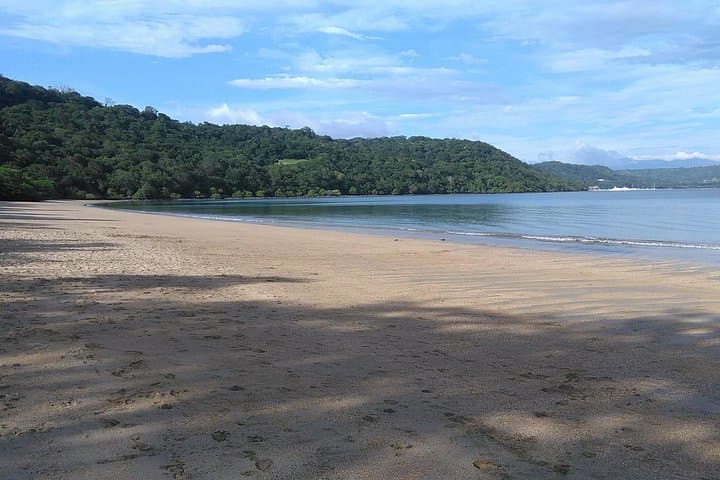
The road unwinds from the sun-baked shores of the Papagayo Peninsula, the Pacific slipping away to your right as the van climbs toward the Central Valley. Coastal scrub and folded lava flows give way to steeper ridgelines and the green of mixed agriculture; the air cools and the valley opens up beneath the ring of volcanoes around San José.
Verified experiences and guided adventures in the surrounding area.
Operated by GTC Costa Rica · Papagayo, Guanacaste
The road unwinds from the sun-baked shores of the Papagayo Peninsula, the Pacific slipping away to your right as the van climbs toward the Central Valley. Coastal scrub and folded lava flows give way to steeper ridgelines and the green of mixed agriculture; the air cools and the valley opens up beneath the ring of volcanoes around San José.
Guanacaste’s history—ranching, cattle trails and a mix of indigenous Chorotega and Spanish influences—still shapes the towns you pass. Geology matters here: basaltic remnants of volcanic activity carve the western landscape while the Central Valley sits in an uplifted basin drained historically by river systems feeding the Gulf of Nicoya. Culturally, drivers will tell you about the region’s “sodas” (small family restaurants), cowboy fiestas and the role of the Guanacasteño cowboy in national identity.
Practically, expect a 3–4 hour door-to-door trip depending on traffic and stops. The route climbs roughly 800–1,000 meters from sea level to the Central Valley; seatbelts, reclining seats and air conditioning make the ride comfortable. Drivers often offer short photo stops—coastal overlooks or roadside sodas—and bilingual drivers can assist with luggage, ATMs or quick errands en route.
Plan for tolls and variable road speeds leaving the coast, and factor extra time if you’re connecting to an international flight at SJO. Bring layers for the cooler valley and a charged phone for navigation and communication. This transfer is straightforward transport with local context: a practical, stress-reducing way to move between Guanacaste’s beaches and the capital’s airport.
easy.
3–4 hours.
Suitable for all fitness levels — sitting transfer with occasional short stops
Typical travel time is 3–4 hours door-to-door; exact duration depends on traffic, time of day and requested stops.
Yes—drivers commonly make short stops for restrooms, food, ATMs or a quick viewpoint if requested and time allows.
Yes, transports are wheelchair-accessible and infant/child seats are available—request them when booking.
Confirm pickup windows when booking; drivers can often adjust within reasonable windows but notify the operator of delays as soon as possible.
Guanacaste has a strong cattle–ranching heritage and voted to join Costa Rica in 1824; that rural culture still colors roadside towns and festivals.
The region is sensitive to seasonal water stress and coastal mangrove health—stick to established stops, avoid single-use plastics, and respect roadside wildlife.
GTC Costa Rica operates guided outdoor trips and adventures with an emphasis on safety, stewardship, and memorable experiences.

The road unwinds from the sun-baked shores of the Papagayo Peninsula, the Pacific slipping away to your right as the van climbs toward the Central Valley. Coastal scrub and folded lava flows give way to steeper ridgelines and the green of mixed agriculture; the air cools and the valley opens up beneath the ring of volcanoes around San José.
The road unwinds from the sun-baked shores of the Papagayo Peninsula, the Pacific slipping away to your right as the van climbs toward the Central Valley. Coastal scrub and folded lava flows give way to steeper ridgelines and the green of mixed agriculture; the air cools and the valley opens up beneath the ring of volcanoes around San José.
Guanacaste’s history—ranching, cattle trails and a mix of indigenous Chorotega and Spanish influences—still shapes the towns you pass. Geology matters here: basaltic remnants of volcanic activity carve the western landscape while the Central Valley sits in an uplifted basin drained historically by river systems feeding the Gulf of Nicoya. Culturally, drivers will tell you about the region’s “sodas” (small family restaurants), cowboy fiestas and the role of the Guanacasteño cowboy in national identity.
Practically, expect a 3–4 hour door-to-door trip depending on traffic and stops. The route climbs roughly 800–1,000 meters from sea level to the Central Valley; seatbelts, reclining seats and air conditioning make the ride comfortable. Drivers often offer short photo stops—coastal overlooks or roadside sodas—and bilingual drivers can assist with luggage, ATMs or quick errands en route.
Plan for tolls and variable road speeds leaving the coast, and factor extra time if you’re connecting to an international flight at SJO. Bring layers for the cooler valley and a charged phone for navigation and communication. This transfer is straightforward transport with local context: a practical, stress-reducing way to move between Guanacaste’s beaches and the capital’s airport.