THE ADVENTURE COLLECTIVE® · Independent discovery and booking for outdoor travel

Skip the bus and take a private, air‑conditioned transfer from Luxor to Hurghada. Expect a roughly 4‑hour, 290 km drive across the Eastern Desert with flexible pickup, bottled water, and optional stops en route.
Skip the bus and take a private, air‑conditioned transfer from Luxor to Hurghada. Expect a roughly 4‑hour, 290 km drive across the Eastern Desert with flexible pickup, bottled water, and optional stops en route.
The car glides out of Luxor with the Nile receding behind and the desert unfolding ahead — a stretch of hardpan, low scrub and distant red hills that push the road toward the Red Sea. Windows down for a moment, the air smells faintly of dust and salt as the driver settles into a steady rhythm that will carry passengers roughly 290 km (about 180 miles) across the Eastern Desert to Hurghada's coastal light.
Verified experiences and guided adventures in the surrounding area.
Operated by Egypt Private Trips · Luxor, Luxor Governorate
The car glides out of Luxor with the Nile receding behind and the desert unfolding ahead — a stretch of hardpan, low scrub and distant red hills that push the road toward the Red Sea. Windows down for a moment, the air smells faintly of dust and salt as the driver settles into a steady rhythm that will carry passengers roughly 290 km (about 180 miles) across the Eastern Desert to Hurghada's coastal light.
This corridor has been a link between the Nile valley and Red Sea ports since antiquity, used for trade and seasonal movement. Geologically, the route crosses alluvial plains and younger desert plateaus cut by dry wadis; occasional outcrops of limestone and granite interrupt the flat horizon. Culturally the trip moves from the temple-rich, agrarian landscape around Luxor into a coastal economy defined by fishing and tourism — you may pass small Bedouin settlements and roadside markets selling dates, tea and simple crafts.
Practically, expect a four‑hour drive on a paved highway, with the possibility of checkpoints and short stops for breaks. This private transfer includes an air‑conditioned vehicle, bottled water and onboard Wi‑Fi in most cases; infant seats can be arranged. Best times to travel are early morning or late afternoon to avoid peak desert heat. Carry ID and passports for any official checks, and plan a stretch stop to stretch legs and use facilities in larger towns.
A private transfer is a straightforward, efficient way to bridge cultural contrasts — from Luxor's ancient stones to Hurghada's coral‑lined shore — while keeping the journey itself comfortable and flexible.
easy.
4 hours.
No special fitness required; suitable for travelers of all levels
The private transfer is scheduled for about 4 hours (approximately 290 km); actual time can vary with traffic and stops.
Yes — private transfers generally allow planned stops for restrooms, food, or brief viewpoints; confirm timing with your provider.
Infant seats can be requested; note booking questions include infant requirements so the operator can supply appropriate child restraints.
Many private cars include onboard Wi‑Fi, but signal can be intermittent across remote desert stretches; bottled water is typically provided.
This route links the Nile valley to Red Sea ports long used for trade since ancient Egyptian times, connecting agricultural inland settlements with maritime commerce.
Avoid littering and off‑road driving; the Eastern Desert is fragile — stick to paved routes and support local businesses to reduce environmental impact.
Egypt Private Trips operates guided outdoor trips and adventures with an emphasis on safety, stewardship, and memorable experiences.
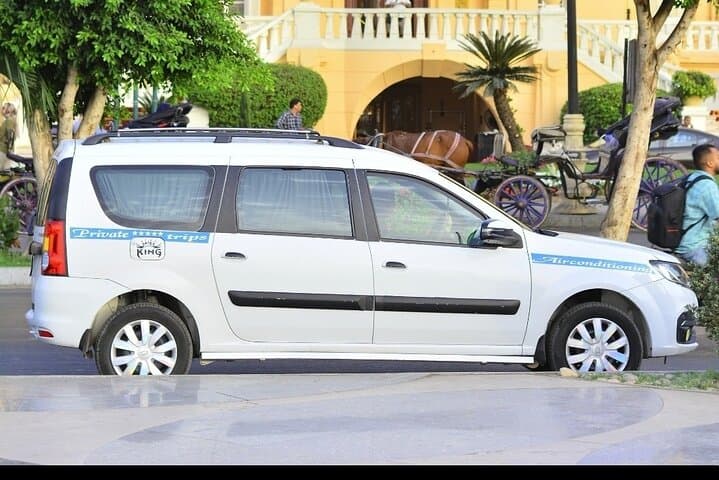
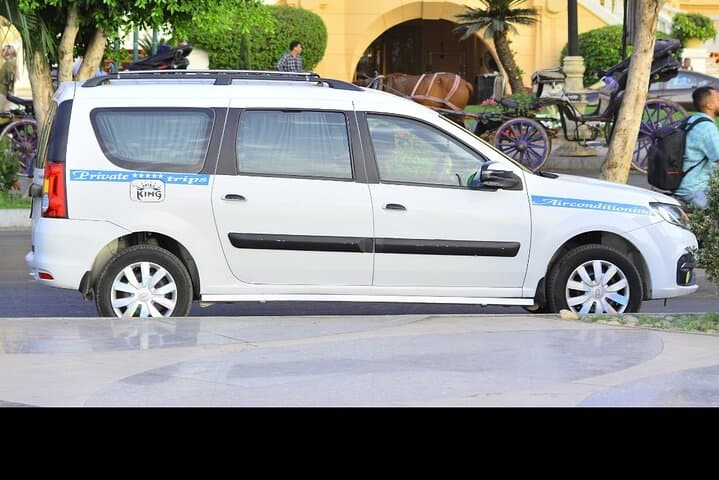
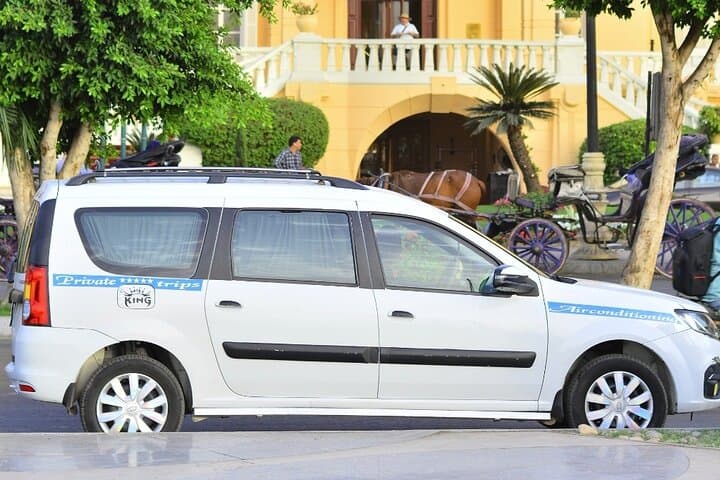
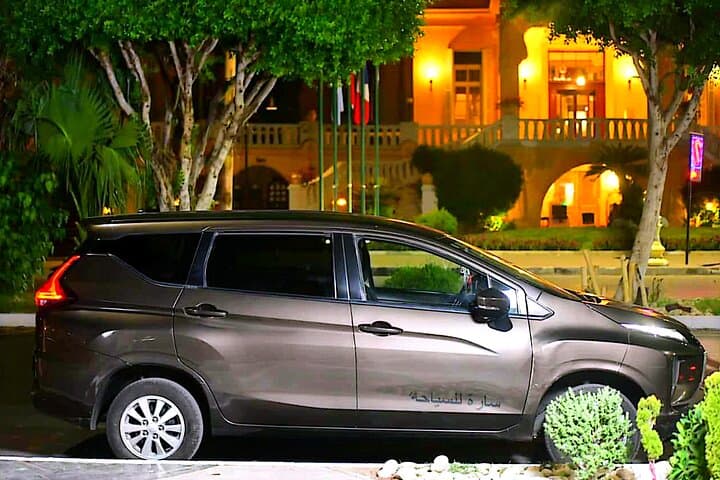
The car glides out of Luxor with the Nile receding behind and the desert unfolding ahead — a stretch of hardpan, low scrub and distant red hills that push the road toward the Red Sea. Windows down for a moment, the air smells faintly of dust and salt as the driver settles into a steady rhythm that will carry passengers roughly 290 km (about 180 miles) across the Eastern Desert to Hurghada's coastal light.
The car glides out of Luxor with the Nile receding behind and the desert unfolding ahead — a stretch of hardpan, low scrub and distant red hills that push the road toward the Red Sea. Windows down for a moment, the air smells faintly of dust and salt as the driver settles into a steady rhythm that will carry passengers roughly 290 km (about 180 miles) across the Eastern Desert to Hurghada's coastal light.
This corridor has been a link between the Nile valley and Red Sea ports since antiquity, used for trade and seasonal movement. Geologically, the route crosses alluvial plains and younger desert plateaus cut by dry wadis; occasional outcrops of limestone and granite interrupt the flat horizon. Culturally the trip moves from the temple-rich, agrarian landscape around Luxor into a coastal economy defined by fishing and tourism — you may pass small Bedouin settlements and roadside markets selling dates, tea and simple crafts.
Practically, expect a four‑hour drive on a paved highway, with the possibility of checkpoints and short stops for breaks. This private transfer includes an air‑conditioned vehicle, bottled water and onboard Wi‑Fi in most cases; infant seats can be arranged. Best times to travel are early morning or late afternoon to avoid peak desert heat. Carry ID and passports for any official checks, and plan a stretch stop to stretch legs and use facilities in larger towns.
A private transfer is a straightforward, efficient way to bridge cultural contrasts — from Luxor's ancient stones to Hurghada's coral‑lined shore — while keeping the journey itself comfortable and flexible.