THE ADVENTURE COLLECTIVE® · Independent discovery and booking for outdoor travel

Skip the lines and navigate the Dulles-to-DC corridor with a private door-to-door transfer. Expect a reliable one-hour ride, curbside pickup, and drop-off within central Washington.
Skip the lines and navigate the Dulles-to-DC corridor with a private door-to-door transfer. Expect a reliable one-hour ride, curbside pickup, and drop-off within central Washington.
The plane taxis, the terminal doors open and you step out into the low-slung bustle of Dulles International. A driver meets you curbside, luggage rolling behind, and the car eases onto the Dulles Access Road. Through the windows the suburbs slide by — office parks, the glass of Tysons Corner, then the green fingers of the Potomac approaching as the city’s skyline resolves on the horizon.
Verified experiences and guided adventures in the surrounding area.
Operated by limo 110 · Dulles, Virginia
The plane taxis, the terminal doors open and you step out into the low-slung bustle of Dulles International. A driver meets you curbside, luggage rolling behind, and the car eases onto the Dulles Access Road. Through the windows the suburbs slide by — office parks, the glass of Tysons Corner, then the green fingers of the Potomac approaching as the city’s skyline resolves on the horizon.
This simple transfer traces recent history: Dulles Airport, opened in 1962 and named for Secretary of State John Foster Dulles, sits on the edge of the Piedmont where rolling uplands drop toward the Potomac River. The drive crosses modern transport arteries and older settlement patterns — from planned communities like Reston to colonial-era towns clustered along the river — offering a compact cross-section of the region’s geology and culture as you head into Washington’s neighborhoods and civic core.
Practically, expect a door-to-door ride of roughly 40–60 minutes for the ~26-mile (42 km) trip, though rush-hour can double travel time. Bookings typically include bottled water and wheelchair access; infants ride on laps unless you request a child seat. Drop-off is limited to points within approximately 3 km of central Washington.
Plan around traffic windows (avoid northbound mornings and southbound evenings), confirm your flight number and arrival time with the operator, and have government ID ready for entry into some downtown parking zones. The transfer is straightforward transportation, but it’s also the first real taste of the DC region’s terrain: waterways that press insistently toward the city, suburbs that open into federal avenues, and a driver who becomes a quiet guide through it all.
easy.
60 minutes (approx.).
No special fitness required — suitable for travelers of all abilities
Travel time is typically 40–60 minutes under normal conditions; heavy traffic can make the trip longer, especially during weekday commute hours.
Drop-off is limited to locations within approximately 3 km of central Washington — confirm your exact address when booking to ensure it’s within the service area.
Yes — the service is wheelchair and stroller accessible; indicate accessibility needs when you book so the operator can prepare an appropriate vehicle.
Infants are allowed to ride but are required to sit on an adult’s lap unless a child seat is requested in advance; include child-seat needs in your booking notes.
Dulles Airport opened in 1962 and was designed as a modern air hub at the edge of the Washington region; the road corridors into DC follow older settlement and trade routes along the Potomac.
Choosing fewer, full-vehicle transfers rather than multiple small trips reduces congestion and emissions; the Potomac corridor includes protected parklands so keep to marked areas and avoid littering.
limo 110 operates guided outdoor trips and adventures with an emphasis on safety, stewardship, and memorable experiences.
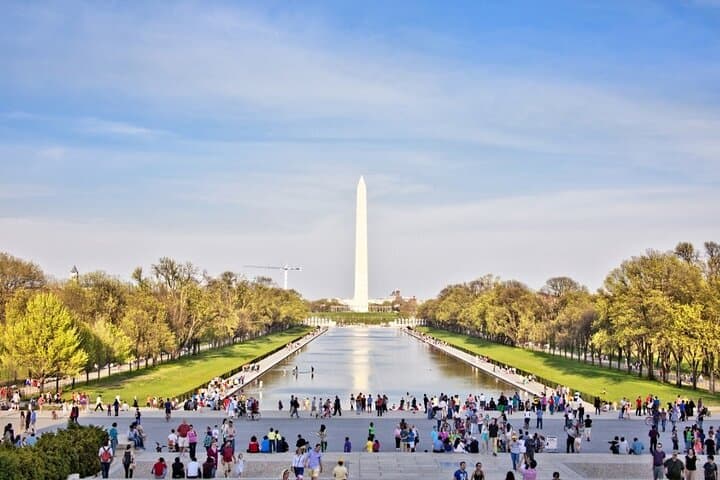
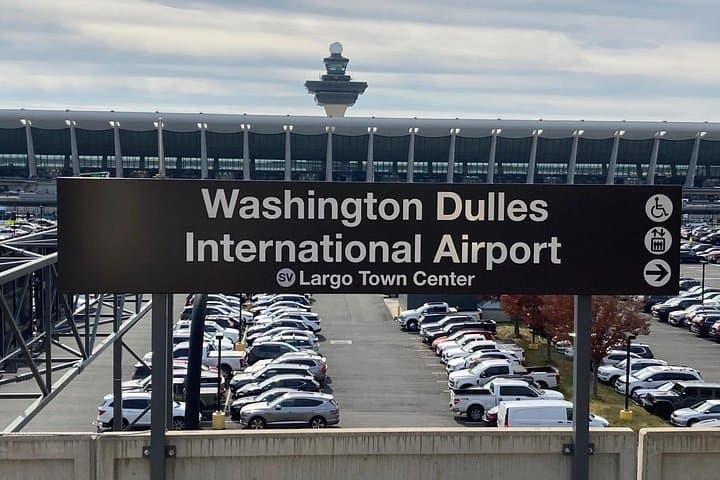
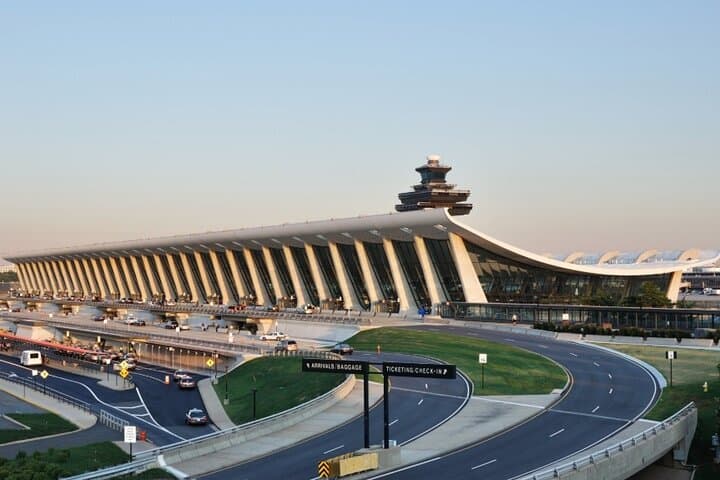

The plane taxis, the terminal doors open and you step out into the low-slung bustle of Dulles International. A driver meets you curbside, luggage rolling behind, and the car eases onto the Dulles Access Road. Through the windows the suburbs slide by — office parks, the glass of Tysons Corner, then the green fingers of the Potomac approaching as the city’s skyline resolves on the horizon.
The plane taxis, the terminal doors open and you step out into the low-slung bustle of Dulles International. A driver meets you curbside, luggage rolling behind, and the car eases onto the Dulles Access Road. Through the windows the suburbs slide by — office parks, the glass of Tysons Corner, then the green fingers of the Potomac approaching as the city’s skyline resolves on the horizon.
This simple transfer traces recent history: Dulles Airport, opened in 1962 and named for Secretary of State John Foster Dulles, sits on the edge of the Piedmont where rolling uplands drop toward the Potomac River. The drive crosses modern transport arteries and older settlement patterns — from planned communities like Reston to colonial-era towns clustered along the river — offering a compact cross-section of the region’s geology and culture as you head into Washington’s neighborhoods and civic core.
Practically, expect a door-to-door ride of roughly 40–60 minutes for the ~26-mile (42 km) trip, though rush-hour can double travel time. Bookings typically include bottled water and wheelchair access; infants ride on laps unless you request a child seat. Drop-off is limited to points within approximately 3 km of central Washington.
Plan around traffic windows (avoid northbound mornings and southbound evenings), confirm your flight number and arrival time with the operator, and have government ID ready for entry into some downtown parking zones. The transfer is straightforward transportation, but it’s also the first real taste of the DC region’s terrain: waterways that press insistently toward the city, suburbs that open into federal avenues, and a driver who becomes a quiet guide through it all.