THE ADVENTURE COLLECTIVE® · Independent discovery and booking for outdoor travel

Skip crowded buses and unpredictable schedules: this private door‑to‑door transfer links Dubrovnik and Split in a single, air‑conditioned hop for up to eight people. Expect coastal viewpoints, optional historical detours, and practical comforts for group travel.
Skip crowded buses and unpredictable schedules: this private door‑to‑door transfer links Dubrovnik and Split in a single, air‑conditioned hop for up to eight people. Expect coastal viewpoints, optional historical detours, and practical comforts for group travel.
You pull closed the car door in Dubrovnik, the sea still glittering on the right, and settle in for a coastal road that moves between limestone cliffs and olive groves.
Verified experiences and guided adventures in the surrounding area.
Operated by Adriatic Shuttle Transfers & Tours · Dubrovnik, Dubrovnik-Neretva County
You pull closed the car door in Dubrovnik, the sea still glittering on the right, and settle in for a coastal road that moves between limestone cliffs and olive groves.
The drive from Dubrovnik to Split follows routes that have stitched Dalmatia together for centuries — from the maritime republic era of Ragusa (Dubrovnik) to the Roman footprint left in Split’s Diocletian’s Palace. Geology here alternates karst rock and coastal terraces; the road threads tunnels, bridges and low, wind-swept ridges with sudden views of the Adriatic that invite a stop.
Culturally, the ride is a quick primer in Dalmatian life: stone villages, Pelješac vineyards, and seafood shacks where oysters and pašticada anchor local menus. Optional detours — Ston’s salt pans and Mali Ston’s oyster beds or inland to Mostar and Kravice Falls in neighboring Bosnia and Herzegovina — open different chapters of regional history but require advance arrangement and border-ready documents.
Practically: this private transfer is door-to-door in an air-conditioned vehicle for up to eight passengers, with highway fees and basic stops included; longer sightseeing detours are extra. Expect 3–6 hours on the road depending on traffic and stops. Bring valid ID for border crossings, plan luggage placements (roof boxes available on request), and time your travel to avoid peak summer congestion. Motion-sickness remedies and a charged phone for photos will make the trip smoother — the coast keeps offering new perspectives until you reach Split’s palm-lined Riva.
easy.
3–6 hours.
Low physical demand—suitable for travelers able to sit for several hours and make short on/off vehicle stops
Yes — the service offers door-to-door pickup within the Dubrovnik area; specify the exact pickup location when booking.
No — off-route stops in Bosnia or extended detours must be requested before travel and usually incur additional fees and border paperwork.
Vehicles accommodate standard luggage for up to eight passengers; if you have oversized items or many large suitcases, notify the operator to arrange a larger vehicle or roof storage.
Full refund is available if canceled at least 24 hours before departure; cancellations within 24 hours are non-refundable per the provider’s policy.
The Dalmatian coast links medieval maritime centers like Dubrovnik with Roman-era Split; strategic fortresses and saltworks along the way reflect centuries of trade and conflict.
Traffic and tourism pressure can strain small coastal towns—stick to marked parking, avoid roadside litter, and respect oyster farms and protected shoreline habitats.
Adriatic Shuttle Transfers & Tours operates guided outdoor trips and adventures with an emphasis on safety, stewardship, and memorable experiences.
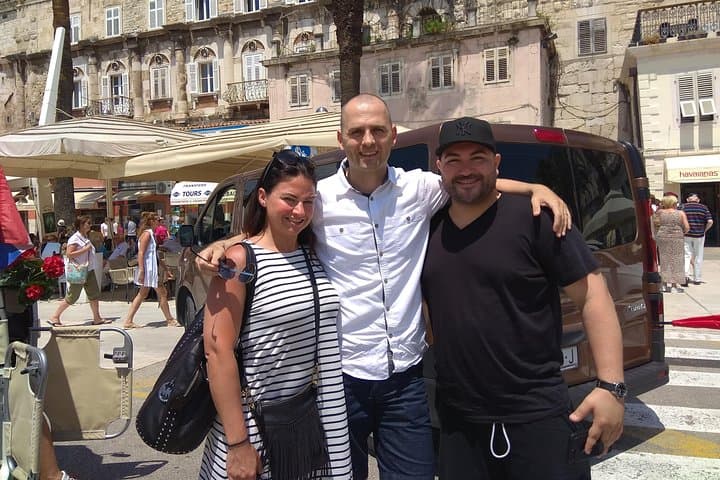
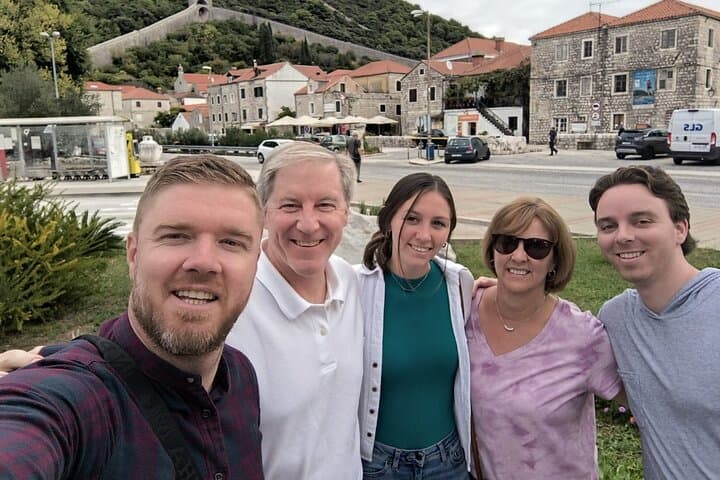
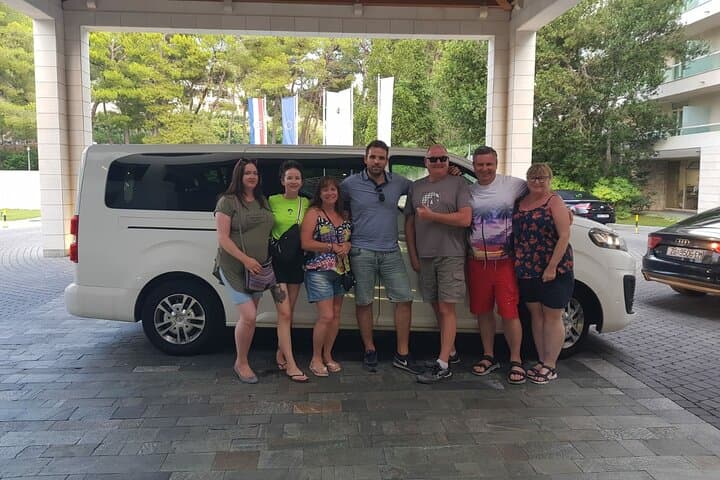
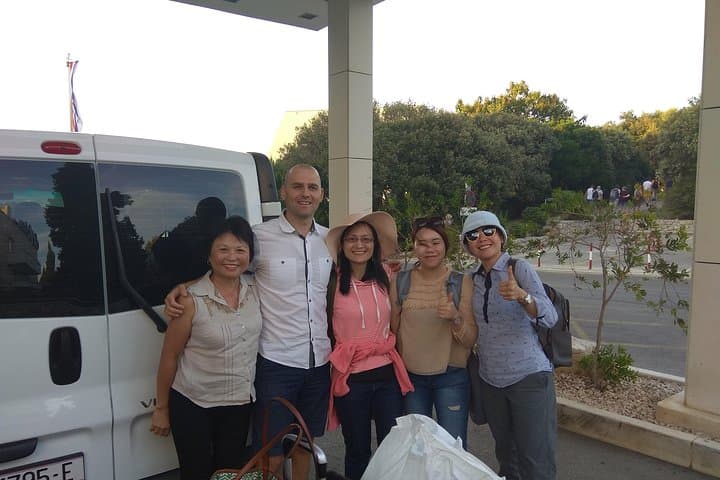
You pull closed the car door in Dubrovnik, the sea still glittering on the right, and settle in for a coastal road that moves between limestone cliffs and olive groves.
You pull closed the car door in Dubrovnik, the sea still glittering on the right, and settle in for a coastal road that moves between limestone cliffs and olive groves.
The drive from Dubrovnik to Split follows routes that have stitched Dalmatia together for centuries — from the maritime republic era of Ragusa (Dubrovnik) to the Roman footprint left in Split’s Diocletian’s Palace. Geology here alternates karst rock and coastal terraces; the road threads tunnels, bridges and low, wind-swept ridges with sudden views of the Adriatic that invite a stop.
Culturally, the ride is a quick primer in Dalmatian life: stone villages, Pelješac vineyards, and seafood shacks where oysters and pašticada anchor local menus. Optional detours — Ston’s salt pans and Mali Ston’s oyster beds or inland to Mostar and Kravice Falls in neighboring Bosnia and Herzegovina — open different chapters of regional history but require advance arrangement and border-ready documents.
Practically: this private transfer is door-to-door in an air-conditioned vehicle for up to eight passengers, with highway fees and basic stops included; longer sightseeing detours are extra. Expect 3–6 hours on the road depending on traffic and stops. Bring valid ID for border crossings, plan luggage placements (roof boxes available on request), and time your travel to avoid peak summer congestion. Motion-sickness remedies and a charged phone for photos will make the trip smoother — the coast keeps offering new perspectives until you reach Split’s palm-lined Riva.