THE ADVENTURE COLLECTIVE® · Independent discovery and booking for outdoor travel

A reliable door-to-door private transfer from Denver Centennial Airport to Vail and Beaver Creek. Expect a 2–2.5 hour mountain drive via I-70 with flight tracking, child seats, and luggage assistance.
A reliable door-to-door private transfer from Denver Centennial Airport to Vail and Beaver Creek. Expect a 2–2.5 hour mountain drive via I-70 with flight tracking, child seats, and luggage assistance.
A late-afternoon car pulls out of Denver Centennial Airport and the flat light of the plains gives way to the rising spine of the Rockies. The highway climbs, the air thins, and the peaks ahead begin to shape the route — a road-bound approach to alpine towns where chairlifts puncture the skyline and aspen patches flash in season.
Verified experiences and guided adventures in the surrounding area.
Operated by taxiGo Limo Airport Service · Denver, Colorado
A late-afternoon car pulls out of Denver Centennial Airport and the flat light of the plains gives way to the rising spine of the Rockies. The highway climbs, the air thins, and the peaks ahead begin to shape the route — a road-bound approach to alpine towns where chairlifts puncture the skyline and aspen patches flash in season.
This private transfer traces the modern travel corridor carved through Colorado’s mining-era geography. Drivers follow I-70 westward past low foothills into the glaciated valleys of the Gore and Sawatch ranges; Eisenhower Tunnel (over 11,000 ft) slices through rock that once guided prospectors and freight. Vail’s ski history dates to the early 1960s when developers converted high-country terrain into planned resort infrastructure, and nearby towns like Georgetown and Idaho Springs still carry that mining-era character.
Practically, expect roughly 100–120 miles and about 2–2.5 hours of driving without stops, with an elevation change from roughly 5,900 ft at Centennial Airport to ~8,150 ft in Vail. Weather, traffic on I-70, and winter snow control can extend that time. The service offers door-to-door comfort with luggage help, flight tracking, and optional child seats; it’s designed for travelers seeking a reliable ground connection rather than navigating rental cars or public shuttles.
Travel tips: book pickup times that allow a buffer for de-icing or chain requirements in winter, keep layers handy for the temperature swing, and confirm luggage and ski/board fastening options in advance. The route itself is part of the trip — windows open to mountain roadside stops if time allows, but most transfers keep to schedule to deliver you into Vail’s alpine village prepared and prompt.
easy.
2–2.5 hours.
No special fitness required; suitable for travelers of all physical levels.
Typical drive time is about 2–2.5 hours (roughly 100–120 miles) without stops; allow extra time for winter conditions or traffic.
Yes—vehicles have fittings for sports equipment but confirm roof racks or internal storage when booking to ensure compatibility.
Child seats are available on request; indicate ages at booking so the appropriate restraint can be provided.
Drivers meet at the arranged pickup point with a nameplate; provide terminal and flight details so the driver can track arrivals and adjust timing.
The I-70 corridor follows routes that served 19th-century mining towns; Vail itself opened as a ski resort in the early 1960s, shaping the valley’s modern tourism economy.
Highway traffic and winter maintenance affect fragile alpine ecosystems; stay on designated roads and ask drivers to limit unnecessary idling to reduce emissions.
taxiGo Limo Airport Service operates guided outdoor trips and adventures with an emphasis on safety, stewardship, and memorable experiences.

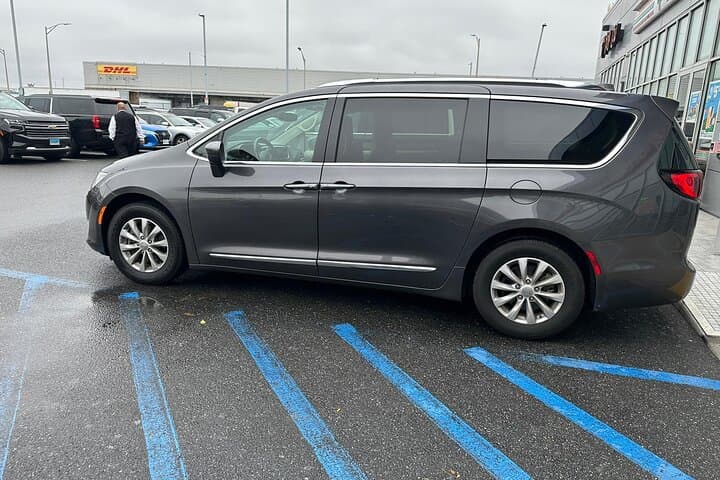
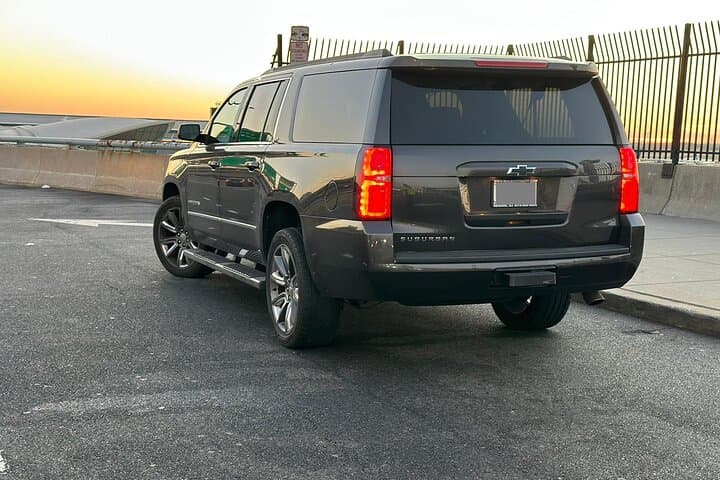
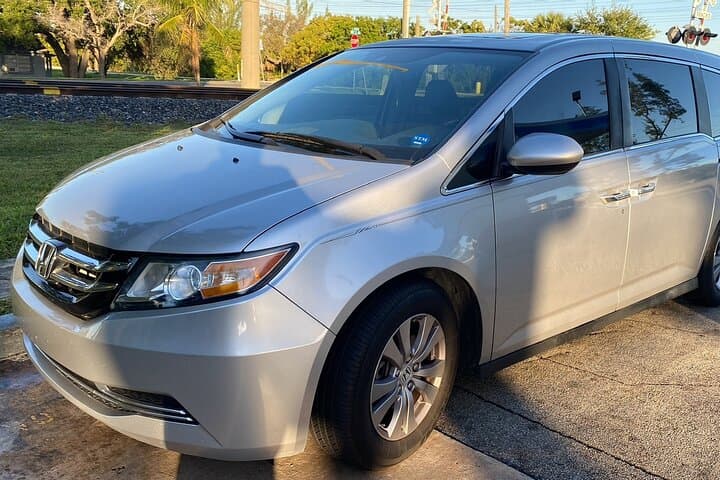
A late-afternoon car pulls out of Denver Centennial Airport and the flat light of the plains gives way to the rising spine of the Rockies. The highway climbs, the air thins, and the peaks ahead begin to shape the route — a road-bound approach to alpine towns where chairlifts puncture the skyline and aspen patches flash in season.
A late-afternoon car pulls out of Denver Centennial Airport and the flat light of the plains gives way to the rising spine of the Rockies. The highway climbs, the air thins, and the peaks ahead begin to shape the route — a road-bound approach to alpine towns where chairlifts puncture the skyline and aspen patches flash in season.
This private transfer traces the modern travel corridor carved through Colorado’s mining-era geography. Drivers follow I-70 westward past low foothills into the glaciated valleys of the Gore and Sawatch ranges; Eisenhower Tunnel (over 11,000 ft) slices through rock that once guided prospectors and freight. Vail’s ski history dates to the early 1960s when developers converted high-country terrain into planned resort infrastructure, and nearby towns like Georgetown and Idaho Springs still carry that mining-era character.
Practically, expect roughly 100–120 miles and about 2–2.5 hours of driving without stops, with an elevation change from roughly 5,900 ft at Centennial Airport to ~8,150 ft in Vail. Weather, traffic on I-70, and winter snow control can extend that time. The service offers door-to-door comfort with luggage help, flight tracking, and optional child seats; it’s designed for travelers seeking a reliable ground connection rather than navigating rental cars or public shuttles.
Travel tips: book pickup times that allow a buffer for de-icing or chain requirements in winter, keep layers handy for the temperature swing, and confirm luggage and ski/board fastening options in advance. The route itself is part of the trip — windows open to mountain roadside stops if time allows, but most transfers keep to schedule to deliver you into Vail’s alpine village prepared and prompt.