THE ADVENTURE COLLECTIVE® · Independent discovery and booking for outdoor travel

Skip the taxi hunt and relax on a prebooked private car transfer from Delhi to Jaipur. Expect a comfortable, roughly four‑hour highway drive with flexible stops and door‑to‑door service.
Skip the taxi hunt and relax on a prebooked private car transfer from Delhi to Jaipur. Expect a comfortable, roughly four‑hour highway drive with flexible stops and door‑to‑door service.
The road unfurls out of Delhi: clumps of scrubby roadside trees, intermittent dhabas, and the slow climb as the landscape shifts toward the pink city. In a private, air‑conditioned car the trip is mostly steady highway — about four hours under clear skies, longer if you hit peak traffic — with the driver navigating the NH48 corridor that links India’s capital region to Rajasthan.
Verified experiences and guided adventures in the surrounding area.
Operated by Trek India Tours · Delhi, Delhi
The road unfurls out of Delhi: clumps of scrubby roadside trees, intermittent dhabas, and the slow climb as the landscape shifts toward the pink city. In a private, air‑conditioned car the trip is mostly steady highway — about four hours under clear skies, longer if you hit peak traffic — with the driver navigating the NH48 corridor that links India’s capital region to Rajasthan.
The route traces centuries of movement: traders and caravans once threaded similar paths between the fertile Gangetic plains and the arid hills that cradle Jaipur. Geology becomes visible as you approach Rajasthan — the soil lightens, low hills appear, and harder, older rocks show through. Culturally, the transfer is a first impression of Rajasthan’s color and tempo: roadside stalls selling chai and local snacks, farmers tending small fields, and occasional villages announcing themselves with temple spires and painted homes.
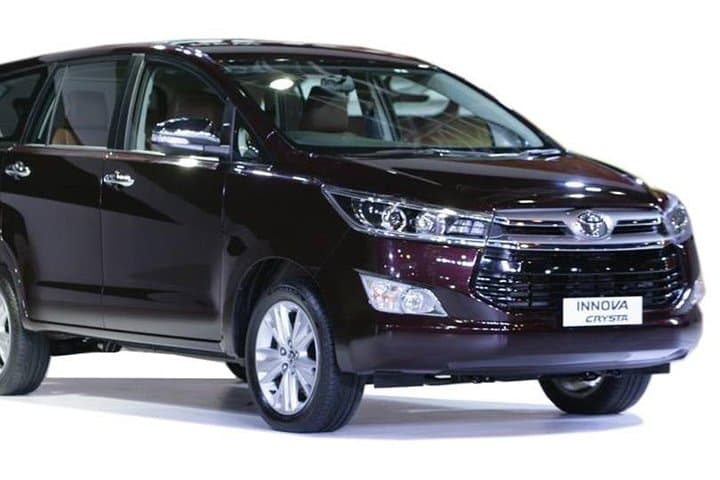
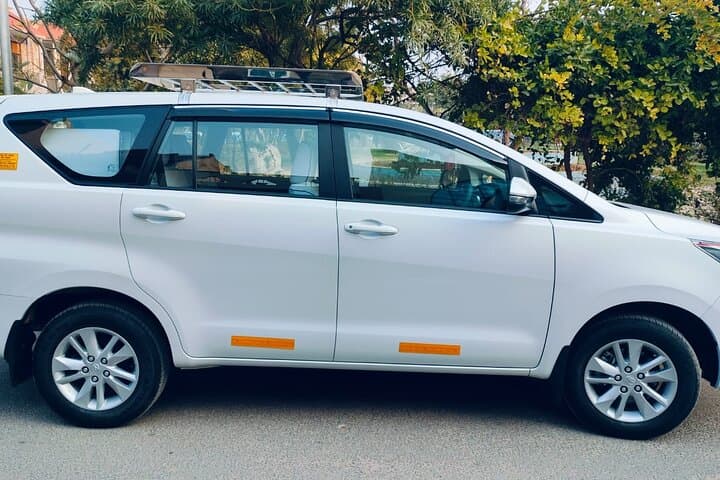
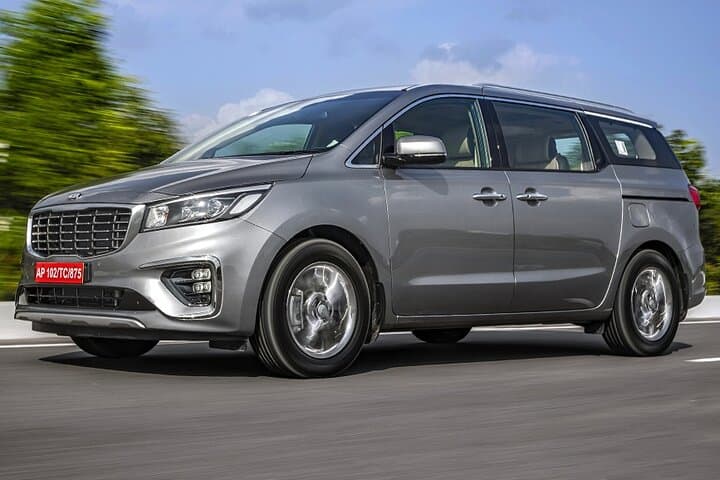
Practical guidance centers on timing and comfort. Expect around four hours in a sedan; SUVs or minibuses accommodate larger groups and luggage. Book a fixed pickup time, confirm flight details if arriving by air, and request stops—drivers commonly pause at clean restrooms and roadside cafés. Carry government ID for hotel check‑ins, pack layers for variable air‑conditioning, and keep small bills for tolls and tips.
This service suits travelers who value reliability and convenience over a scenic, stop‑heavy road trip. It’s functional, direct, and a practical bridge between two very different urban rhythms.
easy.
4 hours.
No special fitness required; suitable for travelers of all mobility levels
Typical driving time is about four hours, but traffic, weather, and roadworks can extend the trip — allow extra time for peak periods.
Yes. Drivers commonly stop for restroom breaks, food, or short photo stops if time allows — confirm preferences when booking.
The service notes wheelchair‑accessible options; specify mobility needs during booking to ensure the correct vehicle is assigned.
Sedans fit luggage for 1–2 people, SUVs or minibuses are available for larger groups — state passenger count and luggage when reserving.
The Delhi–Jaipur corridor follows historic trade and travel routes linking northern plains to Rajasthan; Jaipur itself was founded in 1727 by Maharaja Jai Singh II.
Roadside litter and unregulated stops can impact fragile scrub and arid ecosystems — use designated rest areas and minimize single‑use plastics.
Trek India Tours operates guided outdoor trips and adventures with an emphasis on safety, stewardship, and memorable experiences.

The road unfurls out of Delhi: clumps of scrubby roadside trees, intermittent dhabas, and the slow climb as the landscape shifts toward the pink city. In a private, air‑conditioned car the trip is mostly steady highway — about four hours under clear skies, longer if you hit peak traffic — with the driver navigating the NH48 corridor that links India’s capital region to Rajasthan.
The road unfurls out of Delhi: clumps of scrubby roadside trees, intermittent dhabas, and the slow climb as the landscape shifts toward the pink city. In a private, air‑conditioned car the trip is mostly steady highway — about four hours under clear skies, longer if you hit peak traffic — with the driver navigating the NH48 corridor that links India’s capital region to Rajasthan.
The route traces centuries of movement: traders and caravans once threaded similar paths between the fertile Gangetic plains and the arid hills that cradle Jaipur. Geology becomes visible as you approach Rajasthan — the soil lightens, low hills appear, and harder, older rocks show through. Culturally, the transfer is a first impression of Rajasthan’s color and tempo: roadside stalls selling chai and local snacks, farmers tending small fields, and occasional villages announcing themselves with temple spires and painted homes.
Practical guidance centers on timing and comfort. Expect around four hours in a sedan; SUVs or minibuses accommodate larger groups and luggage. Book a fixed pickup time, confirm flight details if arriving by air, and request stops—drivers commonly pause at clean restrooms and roadside cafés. Carry government ID for hotel check‑ins, pack layers for variable air‑conditioning, and keep small bills for tolls and tips.
This service suits travelers who value reliability and convenience over a scenic, stop‑heavy road trip. It’s functional, direct, and a practical bridge between two very different urban rhythms.