THE ADVENTURE COLLECTIVE® · Independent discovery and booking for outdoor travel

Travel between Zagreb and Split in a private, air-conditioned vehicle with a local English-speaking driver and customizable stops—choose national parks, historic towns, and tastings along the way. Book early for peak-season park access and plan stops to fit a 4–6 hour travel window.
Travel between Zagreb and Split in a private, air-conditioned vehicle with a local English-speaking driver and customizable stops—choose national parks, historic towns, and tastings along the way. Book early for peak-season park access and plan stops to fit a 4–6 hour travel window.
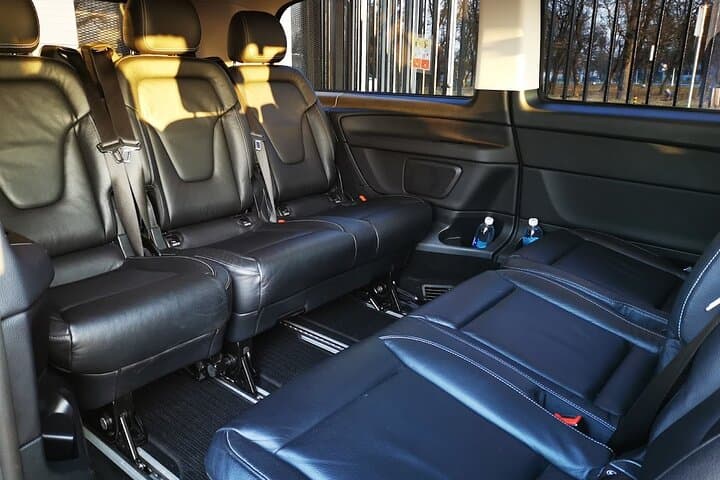
You step into a leather-trimmed vehicle in Zagreb as the city loosens its grip and the road opens toward Dalmatia—pine-clad hills give way to karst ridges and the Adriatic’s distant blue teases the horizon.
Verified experiences and guided adventures in the surrounding area.
Operated by Makadam travel · Zagreb, Zagreb
You step into a leather-trimmed vehicle in Zagreb as the city loosens its grip and the road opens toward Dalmatia—pine-clad hills give way to karst ridges and the Adriatic’s distant blue teases the horizon.
The route between Zagreb and Split threads modern highway and older coastal roads that have shaped trade and travel for centuries: Roman-era pathways, Ottoman-era frontier zones, and Austro-Hungarian infrastructure all left marks on villages you pass. Geology is visible in the limestone karst around Senj and the waterfalls of Plitvice and Krka, where water carves pools and forces you to pause.
Local culture shifts along the way. Continental breakfasts and beech forests around Zagreb yield to olive groves, seafood traditions, and fortified towns in Dalmatia. Small towns like Trogir and Šibenik hold medieval churches and stone streets that reward brief wanderings.
Practically, this private transfer combines comfortable, air-conditioned travel with the flexibility to add stops—national parks, short river cruises, cheese or wine tastings, and fortress visits. Expect 4–6 hours door-to-door on the highway; taking the old road or adding Plitvice/Krka can extend your day. Vehicles range from sedans (1–3 passengers) to large vans (4–7 passengers); luggage capacity is listed per vehicle.
Plan for early starts to avoid peak traffic and to maximize daylight at scenic stops. Bring layered clothing for changing coastal and inland temperatures, and reserve entrance tickets for Plitvice or Krka in advance during high season. Your driver doubles as a local guide; confirm which two stops you want when you book to make the most of the route.
easy.
4–6 hours.
Suitable for most fitness levels; mostly seated transfer with short walking at stops
Yes—select up to two stops from the offered list when you book; note that visiting national parks will add time and may require advance entrance reservations.
Sedans fit 1–3 passengers and up to three suitcases plus cabin bags; large vans accommodate 4–7 passengers and more luggage—confirm vehicle type at booking.
Yes, specialized infant seats are available; request one when booking so the driver can provide it.
Drivers are English-speaking and can provide local insights, but for extended guided tours or museum entry you may need a dedicated guide—confirm expectations in advance.
The corridor between Zagreb and the Dalmatian coast has long been a crossroads of Roman, medieval and Austro-Hungarian influences; fortified coastal towns reflect maritime trade and defense priorities.
Plitvice and Krka are protected parks with entry limits and rules—stick to marked paths, avoid feeding wildlife, and use waste bins to reduce visitor impact.
Makadam travel operates guided outdoor trips and adventures with an emphasis on safety, stewardship, and memorable experiences.

You step into a leather-trimmed vehicle in Zagreb as the city loosens its grip and the road opens toward Dalmatia—pine-clad hills give way to karst ridges and the Adriatic’s distant blue teases the horizon.
You step into a leather-trimmed vehicle in Zagreb as the city loosens its grip and the road opens toward Dalmatia—pine-clad hills give way to karst ridges and the Adriatic’s distant blue teases the horizon.
The route between Zagreb and Split threads modern highway and older coastal roads that have shaped trade and travel for centuries: Roman-era pathways, Ottoman-era frontier zones, and Austro-Hungarian infrastructure all left marks on villages you pass. Geology is visible in the limestone karst around Senj and the waterfalls of Plitvice and Krka, where water carves pools and forces you to pause.
Local culture shifts along the way. Continental breakfasts and beech forests around Zagreb yield to olive groves, seafood traditions, and fortified towns in Dalmatia. Small towns like Trogir and Šibenik hold medieval churches and stone streets that reward brief wanderings.
Practically, this private transfer combines comfortable, air-conditioned travel with the flexibility to add stops—national parks, short river cruises, cheese or wine tastings, and fortress visits. Expect 4–6 hours door-to-door on the highway; taking the old road or adding Plitvice/Krka can extend your day. Vehicles range from sedans (1–3 passengers) to large vans (4–7 passengers); luggage capacity is listed per vehicle.
Plan for early starts to avoid peak traffic and to maximize daylight at scenic stops. Bring layered clothing for changing coastal and inland temperatures, and reserve entrance tickets for Plitvice or Krka in advance during high season. Your driver doubles as a local guide; confirm which two stops you want when you book to make the most of the route.