THE ADVENTURE COLLECTIVE® · Independent discovery and booking for outdoor travel

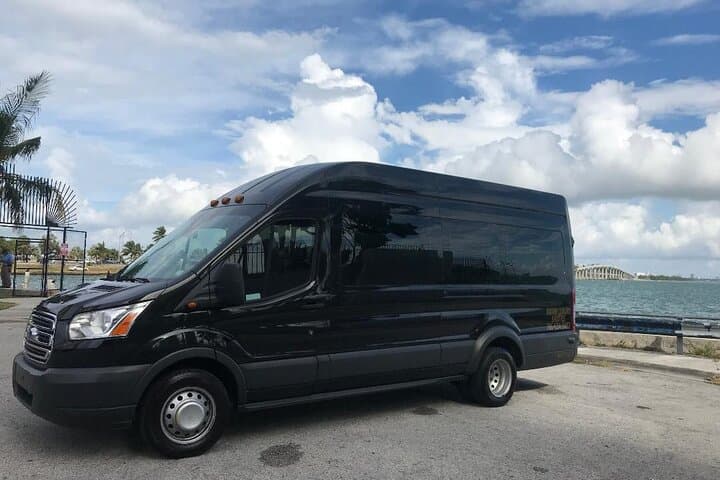
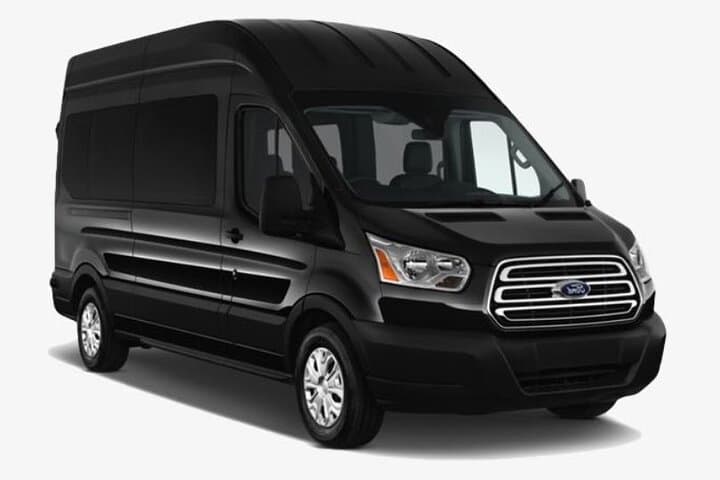
A private car smooths the transition between the capital’s center and Dulles International. Expect a focused, door-to-door run of 30–60 minutes with practical benefits—infant seats, service-animal accommodation, and flexible pickup zones.
A private car smooths the transition between the capital’s center and Dulles International. Expect a focused, door-to-door run of 30–60 minutes with practical benefits—infant seats, service-animal accommodation, and flexible pickup zones.
The hum of the engine and the steady sweep of city lights out the window set the tone: Washington folding into suburbs, Potomac crossings giving way to wide, planted medians as the driver threads toward Dulles. Passengers watch monuments recede and airports grow closer—this is the narrow, practical corridor that links downtown appointments to long-haul departures.
Verified experiences and guided adventures in the surrounding area.
Operated by FKS Private Transportation · Washington, DC
The hum of the engine and the steady sweep of city lights out the window set the tone: Washington folding into suburbs, Potomac crossings giving way to wide, planted medians as the driver threads toward Dulles. Passengers watch monuments recede and airports grow closer—this is the narrow, practical corridor that links downtown appointments to long-haul departures.
The route follows decades of regional change. Dulles International opened in 1962 to serve a growing, postwar capital; D.C.’s airports and the surrounding Fairfax suburbs trace the expansion of airline travel and the rise of the Dulles Corridor. Geologically the drive moves from the low-lying Coastal Plain near the Potomac into the rolling Piedmont foothills—suburban parks, older farm parcels and the occasional exposed outcrop define the roadside.
Culturally, the transfer crosses neighborhoods with their own rhythms—business centers, commuter towns and aviation history at the Udvar-Hazy annex near the airport. Drivers handle the choreography of pickup zones, security queues and lane changes so travelers can concentrate on timing and documents.
Practically: expect 30–60 minutes depending on traffic, and plan pickups at clearly marked airport curb zones. Keep your ID and boarding pass within reach, stow luggage with balance in mind, and allow extra time in peak morning and evening hours. For families, infant seats are available on request; service animals are allowed. A private transfer removes the stress of multiple connections but still benefits from the same preparation as any airport run: confirm flight times, share arrival details, and tip for timely, courteous service.
easy.
30–60 minutes.
No special fitness required; accessible for most travelers
Typical drive time between downtown Washington, D.C. and Dulles International is 30–60 minutes depending on traffic and time of day.
Drivers usually meet passengers at the airline arrival curb or designated passenger pickup zones holding a name sign; confirm the exact curb zone in advance.
Yes—specialized infant seats are available upon request; include this requirement when booking to ensure availability.
Service animals are permitted; for other pets, check with the operator in advance to confirm policies and any additional fees.
Dulles Airport opened in 1962 and spurred growth along the Dulles Corridor; the arc from older Washington neighborhoods to newer Fairfax suburbs reflects mid-20th-century expansion.
Consolidating passengers in single vehicles reduces multiple-car trips but airport zones intersect sensitive green spaces—use the service responsibly, minimize idling, and respect park areas along the route.
FKS Private Transportation operates guided outdoor trips and adventures with an emphasis on safety, stewardship, and memorable experiences.
The hum of the engine and the steady sweep of city lights out the window set the tone: Washington folding into suburbs, Potomac crossings giving way to wide, planted medians as the driver threads toward Dulles. Passengers watch monuments recede and airports grow closer—this is the narrow, practical corridor that links downtown appointments to long-haul departures.
The hum of the engine and the steady sweep of city lights out the window set the tone: Washington folding into suburbs, Potomac crossings giving way to wide, planted medians as the driver threads toward Dulles. Passengers watch monuments recede and airports grow closer—this is the narrow, practical corridor that links downtown appointments to long-haul departures.
The route follows decades of regional change. Dulles International opened in 1962 to serve a growing, postwar capital; D.C.’s airports and the surrounding Fairfax suburbs trace the expansion of airline travel and the rise of the Dulles Corridor. Geologically the drive moves from the low-lying Coastal Plain near the Potomac into the rolling Piedmont foothills—suburban parks, older farm parcels and the occasional exposed outcrop define the roadside.
Culturally, the transfer crosses neighborhoods with their own rhythms—business centers, commuter towns and aviation history at the Udvar-Hazy annex near the airport. Drivers handle the choreography of pickup zones, security queues and lane changes so travelers can concentrate on timing and documents.
Practically: expect 30–60 minutes depending on traffic, and plan pickups at clearly marked airport curb zones. Keep your ID and boarding pass within reach, stow luggage with balance in mind, and allow extra time in peak morning and evening hours. For families, infant seats are available on request; service animals are allowed. A private transfer removes the stress of multiple connections but still benefits from the same preparation as any airport run: confirm flight times, share arrival details, and tip for timely, courteous service.