THE ADVENTURE COLLECTIVE® · Independent discovery and booking for outdoor travel

Skip the bus and the lines: this private door-to-door transfer links Rome and Civitavecchia Cruise Port with flight tracking, a meet-and-greet driver, and predictable timing. Ideal for travelers who value comfort and a stress-free start or end to a cruise.
Skip the bus and the lines: this private door-to-door transfer links Rome and Civitavecchia Cruise Port with flight tracking, a meet-and-greet driver, and predictable timing. Ideal for travelers who value comfort and a stress-free start or end to a cruise.
You step out of customs and the Mediterranean air nudges your travel-weary shoulders—salt and warm pavement, a steady hum of cruise-bus engines mixing with seabirds. A driver waits with a name sign, luggage is loaded, and the city gives way to a coastal ribbon: the Tyrrhenian Sea on one side, low hills and pines on the other.
Verified experiences and guided adventures in the surrounding area.
Operated by WazUP.com · Civitavecchia, Lazio
You step out of customs and the Mediterranean air nudges your travel-weary shoulders—salt and warm pavement, a steady hum of cruise-bus engines mixing with seabirds. A driver waits with a name sign, luggage is loaded, and the city gives way to a coastal ribbon: the Tyrrhenian Sea on one side, low hills and pines on the other.
Civitavecchia’s port dates to imperial Rome; Emperor Trajan expanded a port here in the early 2nd century AD, and the town has long been a maritime gate for Rome. Geologically the route skirts the Roman coastal plain, a mix of marine terraces and volcanic soils from the nearby Alban Hills; the landscape favors scrub pines and maritime maquis that perfume the air.
Local culture is practical and maritime—fishermen’s markets, fortress ramparts like Forte Michelangelo, and small seafood trattorie a short walk from the terminals. Drivers who run this route understand timing: cruise schedules, airport flights, and how morning or evening traffic on the Via Aurelia can stretch a 65-minute drive.
Practical guidance: expect about 60–80 minutes travel time depending on traffic; operators generally include flight tracking and 30 minutes free wait time at airports or port. Bring printed or mobile booking confirmation, have your ship or hotel details handy, and allow extra time for peak summer traffic or Roman public events. Infant seats are usually available and service animals accepted. For a smooth transfer, confirm meet-point details in advance and communicate any delays—this is a door-to-door option that trades flexibility and reliability for predictable comfort.
easy.
1–1.5 hours.
No special fitness required; suitable for travelers of all mobility levels
Typical drive time is about 60–80 minutes depending on traffic and exact pickup/drop-off locations.
Yes; the service includes inside-the-terminal pickup where drivers meet passengers at the designated arrivals area holding a name sign.
Infant seats are available on request and service animals are accepted; indicate requirements at booking.
Operators monitor flight times and usually provide a free waiting period (commonly 30 minutes) and adjust pickup to match updated arrival times.
Civitavecchia evolved from a Trajan-era port into a strategic naval and commercial harbor that has served Rome for nearly two millennia.
High cruise volumes strain local streets and waste systems; using licensed transfers and minimizing single-use plastics helps reduce the impact.
WazUP.com operates guided outdoor trips and adventures with an emphasis on safety, stewardship, and memorable experiences.
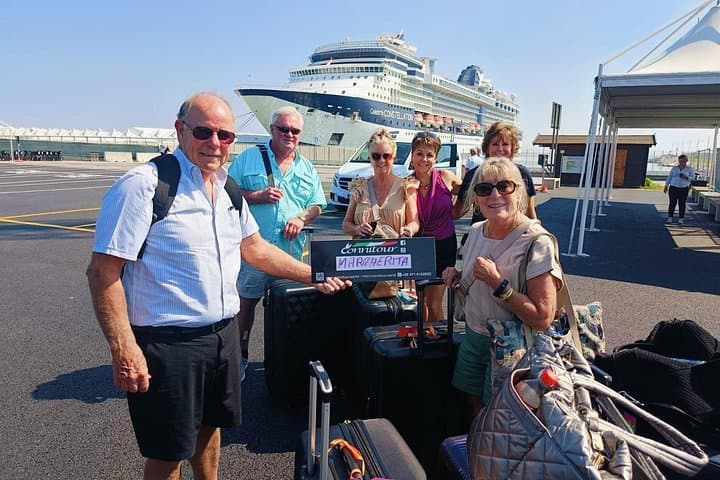
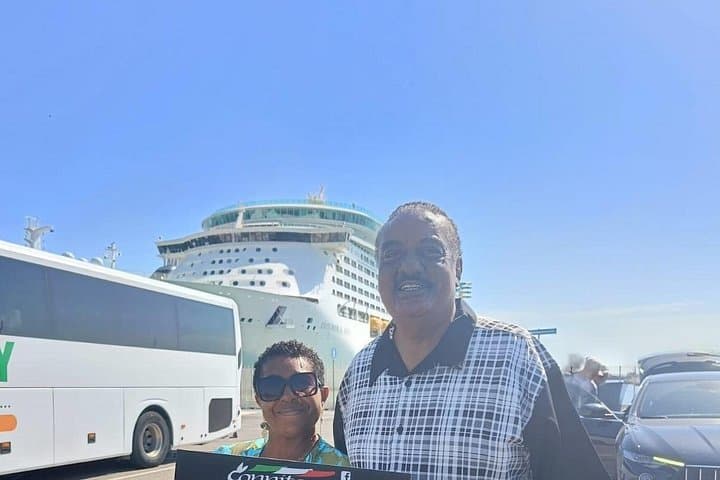
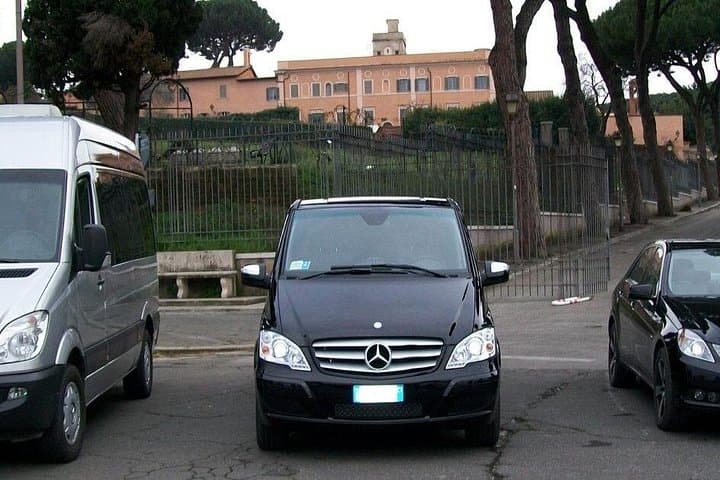
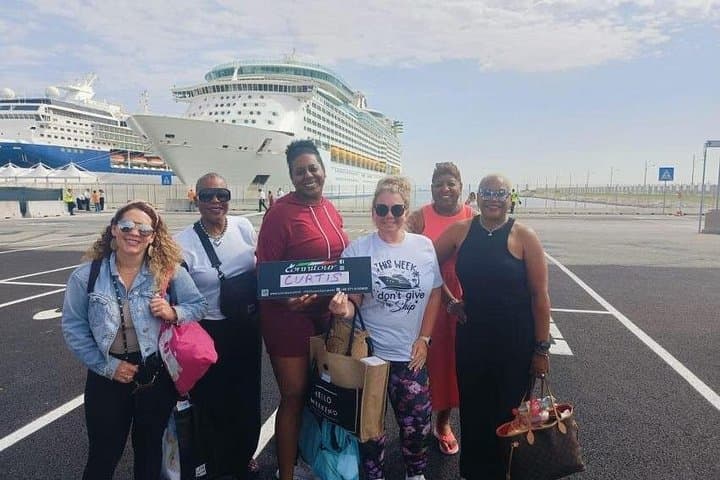
You step out of customs and the Mediterranean air nudges your travel-weary shoulders—salt and warm pavement, a steady hum of cruise-bus engines mixing with seabirds. A driver waits with a name sign, luggage is loaded, and the city gives way to a coastal ribbon: the Tyrrhenian Sea on one side, low hills and pines on the other.
You step out of customs and the Mediterranean air nudges your travel-weary shoulders—salt and warm pavement, a steady hum of cruise-bus engines mixing with seabirds. A driver waits with a name sign, luggage is loaded, and the city gives way to a coastal ribbon: the Tyrrhenian Sea on one side, low hills and pines on the other.
Civitavecchia’s port dates to imperial Rome; Emperor Trajan expanded a port here in the early 2nd century AD, and the town has long been a maritime gate for Rome. Geologically the route skirts the Roman coastal plain, a mix of marine terraces and volcanic soils from the nearby Alban Hills; the landscape favors scrub pines and maritime maquis that perfume the air.
Local culture is practical and maritime—fishermen’s markets, fortress ramparts like Forte Michelangelo, and small seafood trattorie a short walk from the terminals. Drivers who run this route understand timing: cruise schedules, airport flights, and how morning or evening traffic on the Via Aurelia can stretch a 65-minute drive.
Practical guidance: expect about 60–80 minutes travel time depending on traffic; operators generally include flight tracking and 30 minutes free wait time at airports or port. Bring printed or mobile booking confirmation, have your ship or hotel details handy, and allow extra time for peak summer traffic or Roman public events. Infant seats are usually available and service animals accepted. For a smooth transfer, confirm meet-point details in advance and communicate any delays—this is a door-to-door option that trades flexibility and reliability for predictable comfort.