THE ADVENTURE COLLECTIVE® · Independent discovery and booking for outdoor travel

Make the 6–7 hour private drive from Amsterdam to Paris without the ferry queues or crowded trains. This guide covers what to expect on the road, where to pause, and practical tips to keep the transfer smooth.
Make the 6–7 hour private drive from Amsterdam to Paris without the ferry queues or crowded trains. This guide covers what to expect on the road, where to pause, and practical tips to keep the transfer smooth.
You step into a climate-controlled cabin on the outskirts of Amsterdam as the city’s canal façades recede; the motorway hums and the driver settles in for a steady run toward Paris. Roadside windmills and low Dutch polders give way to urban portscapes, then to Flanders’ brick towns and the broad plains of northern France — the ride traces a living corridor of commerce and history.
Verified experiences and guided adventures in the surrounding area.
Operated by Tour Passion · Amsterdam, North Holland
You step into a climate-controlled cabin on the outskirts of Amsterdam as the city’s canal façades recede; the motorway hums and the driver settles in for a steady run toward Paris. Roadside windmills and low Dutch polders give way to urban portscapes, then to Flanders’ brick towns and the broad plains of northern France — the ride traces a living corridor of commerce and history.
The route mirrors centuries of trade and migration: Dutch Golden Age shipping lanes fed European markets, and later rail and road linked these same cities. Geologically the stretch crosses reclaimed land, river valleys (including the Scheldt basin), and the chalky Picardy plain approaching Paris; you’ll notice the change in soil and roadside vegetation as you cross the border.
Culturally, the trip is a cross-section — from Amsterdam’s tolerant rhythms to Antwerp’s port energy and Lille’s market squares before Paris’ ordered boulevards. Small towns along the way preserve market halls, brick guildhouses, and cafés that tell local stories.
Practical guidance: expect about 6–7 hours drive depending on traffic; distance is roughly 520 km (320 mi). One planned stop for a restroom and coffee is typical; confirm any extra breaks with your chauffeur ahead of departure. Bring a charged device and a power bank, have passports ready for border checks, and stow luggage to permit easy access to essentials during stops.
Comfort, timing, and clear pickup/drop-off instructions make the difference — communicate exact addresses, allow buffer time around Paris arrival for traffic, and consider light meals before entering city limits to avoid delays with parking or low-emission zones.
easy.
6–7 hours.
Suitable for all fitness levels; prolonged sitting requires basic mobility and comfort in a vehicle
Typical driving time is about 6–7 hours depending on traffic; distance is approximately 520 km (320 mi).
Yes — the itinerary usually includes one stop; additional stops can be arranged but should be agreed with the chauffeur and may affect total time and cost.
Yes. Bring valid passports or national ID cards as you may cross international borders and be asked to present identification.
All sales are final for this product; the provider’s policy does not allow refunds for cancellations.
The route follows historic trade arteries that linked Dutch ports to inland Europe; many towns en route grew around medieval markets and river crossings.
Private vehicle trips increase per-person emissions compared with public transit; consider choosing vehicles with lower emissions, share journeys when possible, and respect rest-area waste rules.
Tour Passion operates guided outdoor trips and adventures with an emphasis on safety, stewardship, and memorable experiences.
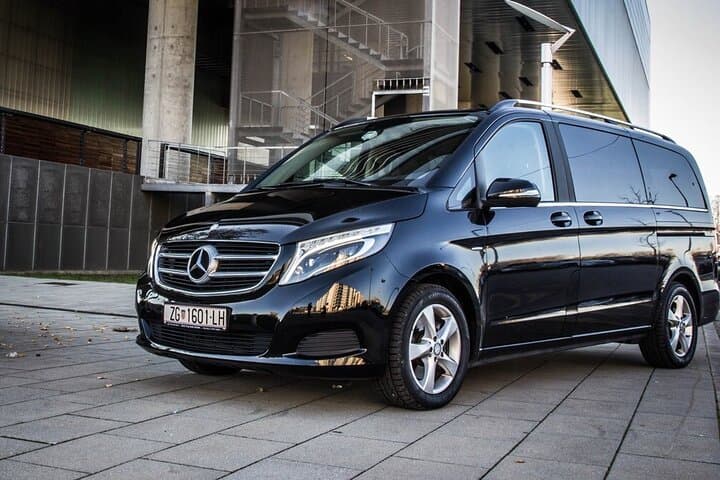
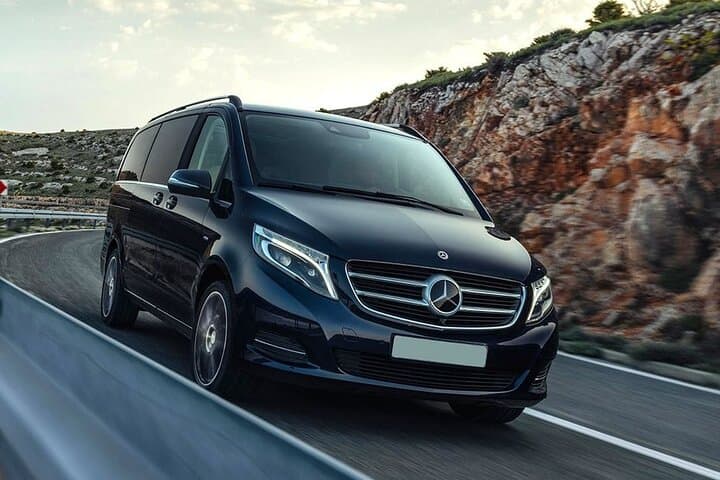
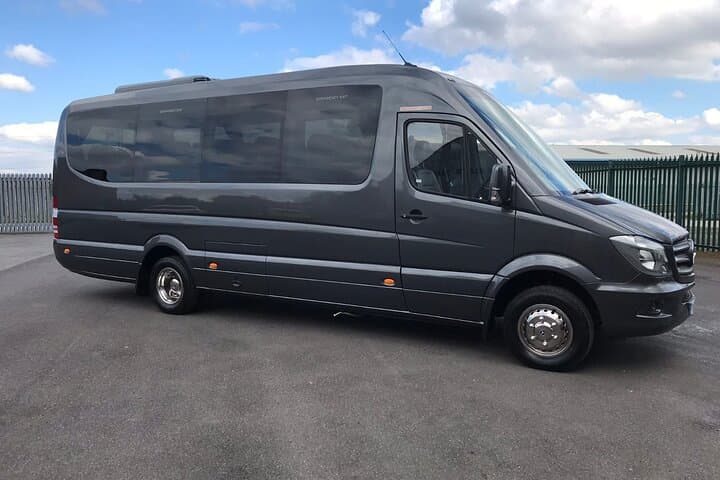
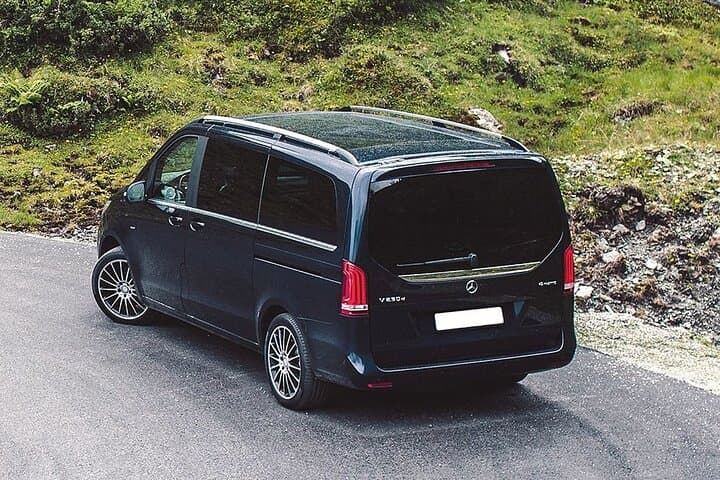
You step into a climate-controlled cabin on the outskirts of Amsterdam as the city’s canal façades recede; the motorway hums and the driver settles in for a steady run toward Paris. Roadside windmills and low Dutch polders give way to urban portscapes, then to Flanders’ brick towns and the broad plains of northern France — the ride traces a living corridor of commerce and history.
You step into a climate-controlled cabin on the outskirts of Amsterdam as the city’s canal façades recede; the motorway hums and the driver settles in for a steady run toward Paris. Roadside windmills and low Dutch polders give way to urban portscapes, then to Flanders’ brick towns and the broad plains of northern France — the ride traces a living corridor of commerce and history.
The route mirrors centuries of trade and migration: Dutch Golden Age shipping lanes fed European markets, and later rail and road linked these same cities. Geologically the stretch crosses reclaimed land, river valleys (including the Scheldt basin), and the chalky Picardy plain approaching Paris; you’ll notice the change in soil and roadside vegetation as you cross the border.
Culturally, the trip is a cross-section — from Amsterdam’s tolerant rhythms to Antwerp’s port energy and Lille’s market squares before Paris’ ordered boulevards. Small towns along the way preserve market halls, brick guildhouses, and cafés that tell local stories.
Practical guidance: expect about 6–7 hours drive depending on traffic; distance is roughly 520 km (320 mi). One planned stop for a restroom and coffee is typical; confirm any extra breaks with your chauffeur ahead of departure. Bring a charged device and a power bank, have passports ready for border checks, and stow luggage to permit easy access to essentials during stops.
Comfort, timing, and clear pickup/drop-off instructions make the difference — communicate exact addresses, allow buffer time around Paris arrival for traffic, and consider light meals before entering city limits to avoid delays with parking or low-emission zones.