THE ADVENTURE COLLECTIVE® · Independent discovery and booking for outdoor travel

Skip public transport and trade schedules for a private door-to-door transfer from Amsterdam to Kinderdijk with a curated 2-hour stop at De Haar Castle. Comfortable vehicles, flexible pickup and English-speaking drivers make a compact day of UNESCO windmills and neo-Gothic grandeur effortless.
Skip public transport and trade schedules for a private door-to-door transfer from Amsterdam to Kinderdijk with a curated 2-hour stop at De Haar Castle. Comfortable vehicles, flexible pickup and English-speaking drivers make a compact day of UNESCO windmills and neo-Gothic grandeur effortless.
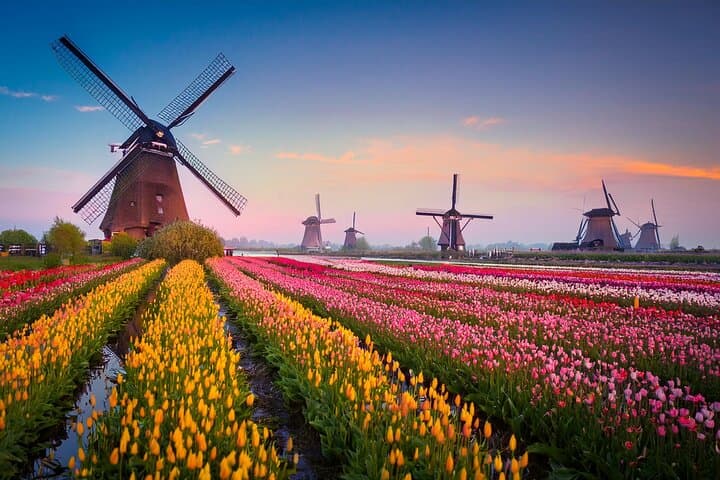
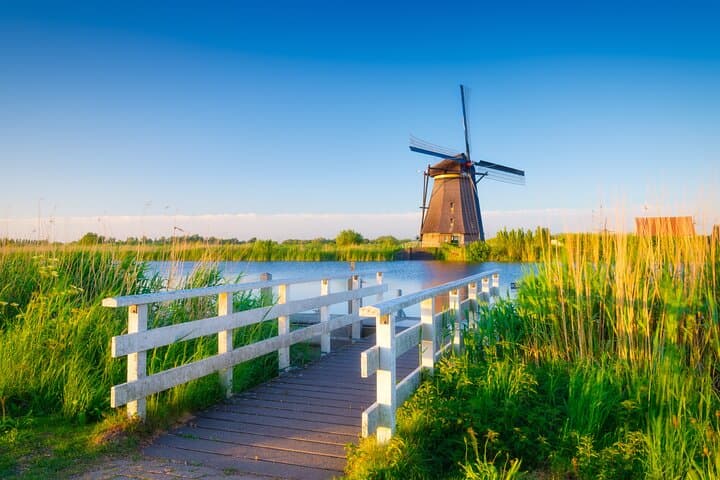
You slide into a comfortable, climate-controlled car and the city’s canals drift past the window as you head south. Within an hour the skyline thins, replaced by flat polders and reed-lined channels; the driver points out a distant row of sails—Kinderdijk’s windmills—standing like slow-moving architects against the horizon.
Verified experiences and guided adventures in the surrounding area.
Operated by Europe Journey - Private Sightseeing Transfers and Day Tours · Kinderdijk, South Holland
You slide into a comfortable, climate-controlled car and the city’s canals drift past the window as you head south. Within an hour the skyline thins, replaced by flat polders and reed-lined channels; the driver points out a distant row of sails—Kinderdijk’s windmills—standing like slow-moving architects against the horizon.
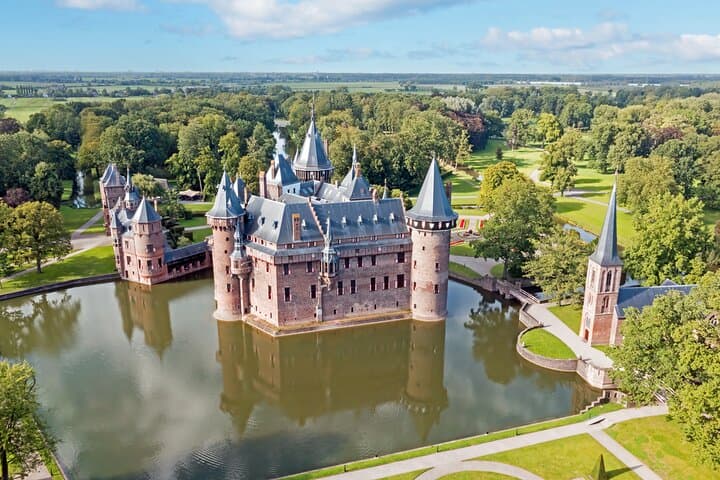
This route threads two very different Dutch stories: De Haar Castle, rebuilt in the late 19th century by wealthy patrons and architect Pierre Cuypers, offers neo-Gothic rooms, manicured moats and a sense of staged aristocracy. Kinderdijk, by contrast, is working water management—an 18th-century system of mills and sluices essential to the lowlands, now a UNESCO site where technology and landscape meet.
Culture here is pragmatic: towns grew around waterways, farms and shipyards, and locals still commute by bike. Geology is modest—reclaimed clay and peat polders, defended by dikes and centrifugal ingenuity. Expect easy walking at De Haar and flat, accessible paths at Kinderdijk with boardwalks and viewing platforms.
Practical guidance: plan 4–5 hours for door-to-door transfer with a 2-hour stop; choose morning slots to avoid mid-afternoon crowds. Drivers speak English but are not licensed guides; bring reusable water, layered clothing against wind off the river, and a compact umbrella. Luggage-friendly vehicles accommodate family groups and mobility needs, and both stops are largely wheelchair accessible. Book with at least 24-hour cancellation protection and confirm exact pickup details in advance.
easy.
4–5 hours.
Suitable for most travelers; expect short, flat walks at each stop
Drivers are English-speaking and knowledgeable about the area but not licensed guides; they can point out sights and local tips but won’t provide formal guided commentary.
Yes—vehicles and major sites on this route are wheelchair accessible, though some historic interior areas may have limited access; confirm needs when booking.
Extra stops or extended hours may be possible on request but may incur additional charges; discuss options with the operator before pickup.
Full refunds are available if you cancel at least 24 hours before the scheduled departure time; within 24 hours bookings are non-refundable.
Kinderdijk’s mills are an 18th-century solution to centuries of Dutch water control; De Haar Castle was extensively rebuilt in the late 1800s by the van Zuylen family and architect Pierre Cuypers.
Kinderdijk is a UNESCO site with managed visitor access—stay on paths and use designated viewing areas; De Haar operates conservation programs for its grounds and historic interiors.
Europe Journey - Private Sightseeing Transfers and Day Tours operates guided outdoor trips and adventures with an emphasis on safety, stewardship, and memorable experiences.
You slide into a comfortable, climate-controlled car and the city’s canals drift past the window as you head south. Within an hour the skyline thins, replaced by flat polders and reed-lined channels; the driver points out a distant row of sails—Kinderdijk’s windmills—standing like slow-moving architects against the horizon.
You slide into a comfortable, climate-controlled car and the city’s canals drift past the window as you head south. Within an hour the skyline thins, replaced by flat polders and reed-lined channels; the driver points out a distant row of sails—Kinderdijk’s windmills—standing like slow-moving architects against the horizon.
This route threads two very different Dutch stories: De Haar Castle, rebuilt in the late 19th century by wealthy patrons and architect Pierre Cuypers, offers neo-Gothic rooms, manicured moats and a sense of staged aristocracy. Kinderdijk, by contrast, is working water management—an 18th-century system of mills and sluices essential to the lowlands, now a UNESCO site where technology and landscape meet.
Culture here is pragmatic: towns grew around waterways, farms and shipyards, and locals still commute by bike. Geology is modest—reclaimed clay and peat polders, defended by dikes and centrifugal ingenuity. Expect easy walking at De Haar and flat, accessible paths at Kinderdijk with boardwalks and viewing platforms.
Practical guidance: plan 4–5 hours for door-to-door transfer with a 2-hour stop; choose morning slots to avoid mid-afternoon crowds. Drivers speak English but are not licensed guides; bring reusable water, layered clothing against wind off the river, and a compact umbrella. Luggage-friendly vehicles accommodate family groups and mobility needs, and both stops are largely wheelchair accessible. Book with at least 24-hour cancellation protection and confirm exact pickup details in advance.