THE ADVENTURE COLLECTIVE® · Independent discovery and booking for outdoor travel

A private door-to-door transfer connects Amsterdam and Arnhem with a two‑hour stop at Apenheul Primate Park in Apeldoorn. Enjoy comfortable travel, a close-up primate experience, and practical tips for making the most of the short wildlife break.
A private door-to-door transfer connects Amsterdam and Arnhem with a two‑hour stop at Apenheul Primate Park in Apeldoorn. Enjoy comfortable travel, a close-up primate experience, and practical tips for making the most of the short wildlife break.
You leave Amsterdam’s canal grid behind as the city rooftops sag into highway green; the car glides along the A1 and the roadside trees of the Veluwe lean in, as if pointing you toward Apeldoorn and a small kingdom of monkeys. The private transfer setting is quiet and practical—air‑conditioned comfort, a single point of contact, and a two‑hour window to step into Apenheul’s walkways where primates move through trees and paths with surprising ease.
Verified experiences and guided adventures in the surrounding area.
Operated by Europe Journey - Private Sightseeing Transfers and Day Tours · Apeldoorn, Gelderland
You leave Amsterdam’s canal grid behind as the city rooftops sag into highway green; the car glides along the A1 and the roadside trees of the Veluwe lean in, as if pointing you toward Apeldoorn and a small kingdom of monkeys. The private transfer setting is quiet and practical—air‑conditioned comfort, a single point of contact, and a two‑hour window to step into Apenheul’s walkways where primates move through trees and paths with surprising ease.
Apenheul opened in 1971 and was one of Europe’s early parks to let certain monkey species roam free among visitors—a living experiment in animal-centered enclosures. Geologically you’re in the Veluwe: sandy soils, glacial deposits, and pockets of pine and heath that shape local trails and views. Nearby Het Loo Palace speaks to the region’s aristocratic hunting past; Apeldoorn itself grew around forestry and industry.
Practically, plan this as a 3–4 hour door‑to‑door transfer with a dedicated stop. Apenheul’s paths are mostly accessible but can include uneven boardwalks; bring solid walking shoes and a light jacket for changeable Dutch weather. Bottled water is included onboard, but carry a small daypack for essentials during the two‑hour visit. Expect engaging animal encounters rather than formal guided tours—staff focus on welfare and conservation, and visitors should not feed animals or block paths. Timed early or late in the day reduces crowds and often yields more active primates. The transfer is ideal for travelers who want door-to-door convenience and a short, wildlife-focused break between Amsterdam and Arnhem.
easy.
3–4 hours (including transfer and 2‑hour stop).
Suitable for all fitness levels; requires short periods of walking and standing at the park
No, admission to Apenheul is not included; the itinerary provides a two‑hour sightseeing stop for you to buy tickets and explore independently.
The driver is an experienced local and will share practical knowledge, but is not a licensed guide—this is a private transfer service with a leisure stop.
Yes—vehicles and many park surfaces are wheelchair accessible, though some park paths may be uneven; contact the operator for specific mobility arrangements.
Full refunds are available if cancelled at least 24 hours before the scheduled departure time; canceling less than 24 hours is non‑refundable.
Apenheul was founded in 1971 by Wim Mager and pioneered free‑roaming primate exhibits; the Veluwe area has long been a royal hunting and forestry region that shaped local culture.
Apenheul participates in breeding and conservation programs for endangered primates; visitors should follow rules to minimize disturbance and avoid feeding animals.
Europe Journey - Private Sightseeing Transfers and Day Tours operates guided outdoor trips and adventures with an emphasis on safety, stewardship, and memorable experiences.
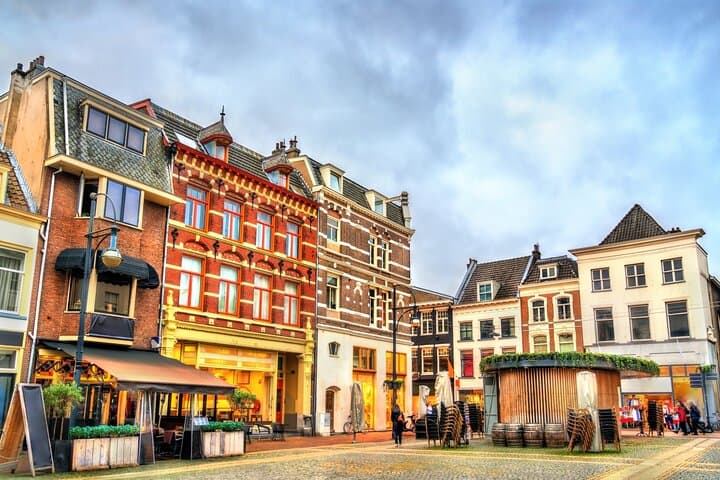
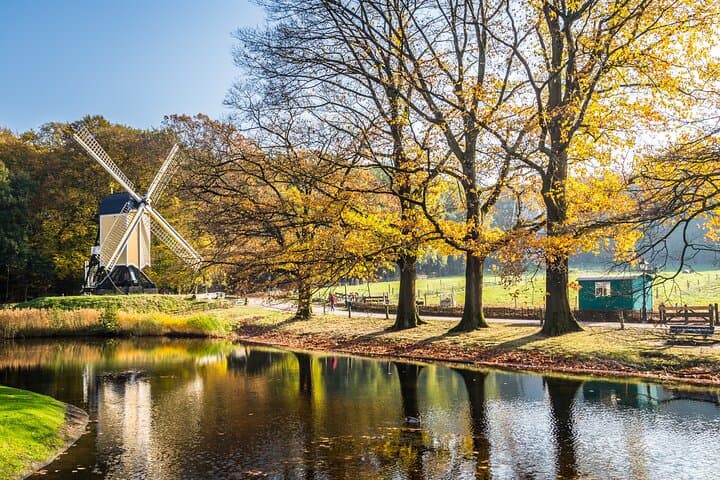
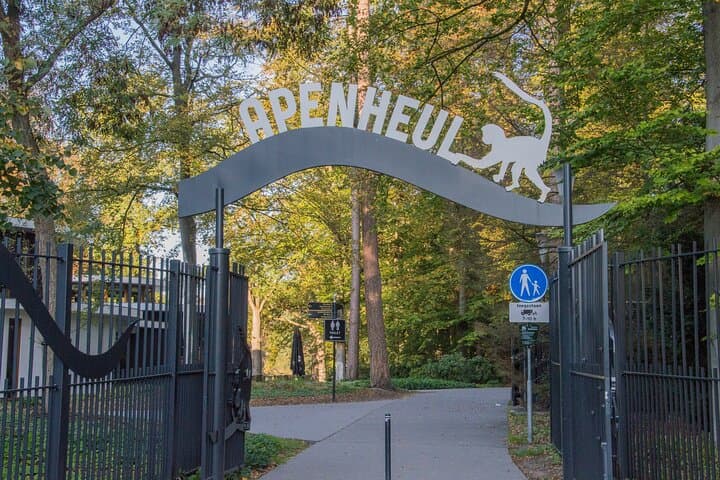
You leave Amsterdam’s canal grid behind as the city rooftops sag into highway green; the car glides along the A1 and the roadside trees of the Veluwe lean in, as if pointing you toward Apeldoorn and a small kingdom of monkeys. The private transfer setting is quiet and practical—air‑conditioned comfort, a single point of contact, and a two‑hour window to step into Apenheul’s walkways where primates move through trees and paths with surprising ease.
You leave Amsterdam’s canal grid behind as the city rooftops sag into highway green; the car glides along the A1 and the roadside trees of the Veluwe lean in, as if pointing you toward Apeldoorn and a small kingdom of monkeys. The private transfer setting is quiet and practical—air‑conditioned comfort, a single point of contact, and a two‑hour window to step into Apenheul’s walkways where primates move through trees and paths with surprising ease.
Apenheul opened in 1971 and was one of Europe’s early parks to let certain monkey species roam free among visitors—a living experiment in animal-centered enclosures. Geologically you’re in the Veluwe: sandy soils, glacial deposits, and pockets of pine and heath that shape local trails and views. Nearby Het Loo Palace speaks to the region’s aristocratic hunting past; Apeldoorn itself grew around forestry and industry.
Practically, plan this as a 3–4 hour door‑to‑door transfer with a dedicated stop. Apenheul’s paths are mostly accessible but can include uneven boardwalks; bring solid walking shoes and a light jacket for changeable Dutch weather. Bottled water is included onboard, but carry a small daypack for essentials during the two‑hour visit. Expect engaging animal encounters rather than formal guided tours—staff focus on welfare and conservation, and visitors should not feed animals or block paths. Timed early or late in the day reduces crowds and often yields more active primates. The transfer is ideal for travelers who want door-to-door convenience and a short, wildlife-focused break between Amsterdam and Arnhem.