THE ADVENTURE COLLECTIVE® · Independent discovery and booking for outdoor travel

Make the long drive between Aalborg and Copenhagen meaningful with a focused two-hour stop in Odense to visit a dramatic 16th-century water castle. Learn local history, stroll gardens, and keep your schedule tight to make the most of the brief stop.
Make the long drive between Aalborg and Copenhagen meaningful with a focused two-hour stop in Odense to visit a dramatic 16th-century water castle. Learn local history, stroll gardens, and keep your schedule tight to make the most of the brief stop.
You step into the van in Aalborg and the road opens up: low Danish hedgerows, fields punctuated by wind turbines and the occasional red-brick farm. Two hours into the drive the vehicle eases off the highway and Odense’s quieter roads appear, the river threading through town daring you to slow down for a two-hour stretch of local history.
Verified experiences and guided adventures in the surrounding area.
Operated by Europe Journey - Private Sightseeing Transfers and Day Tours · Odense, Region of Southern Denmark
You step into the van in Aalborg and the road opens up: low Danish hedgerows, fields punctuated by wind turbines and the occasional red-brick farm. Two hours into the drive the vehicle eases off the highway and Odense’s quieter roads appear, the river threading through town daring you to slow down for a two-hour stretch of local history.
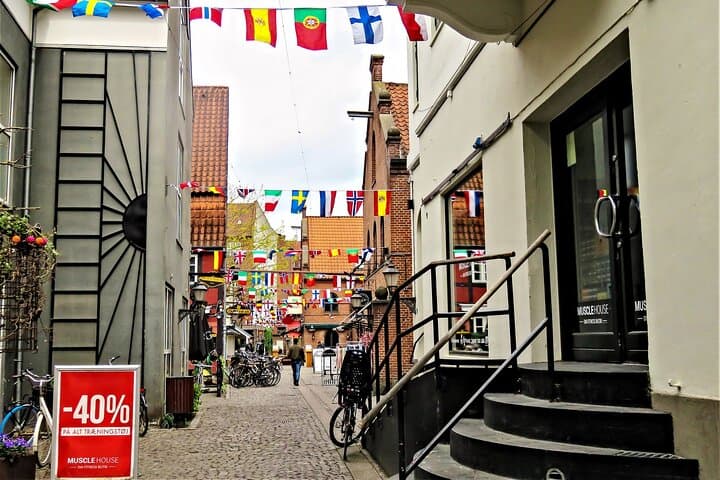
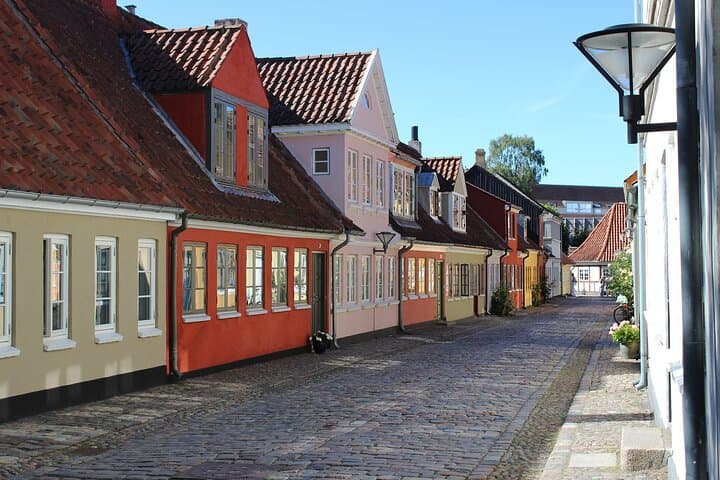
The scheduled stop centers on a 16th-century water castle built in 1554—a defensive manor set inside a moat whose conical towers and original stonework still read like living history. Odense itself is Hans Christian Andersen’s birthplace; its streets and museums give a plainspoken picture of provincial Danish life rather than tourist spectacle. Geologically, Funen’s low rolling moraine and fertile soils make for soft, walkable landscapes and well-tended parkland around the castle.
Expect a compact, interpretive visit: exterior walks along the moat, manicured gardens, and a chance to see period interiors or museum collections if time allows. There’s little strenuous walking, but cobbles and uneven paths are common and the castle grounds can be damp in wet seasons.
Practical guidance: keep your schedule tight—two hours moves fast when factoring parking and entrance lines. Bring water and a light, waterproof layer; footwear with some grip will make cobbled approaches easier. Confirm pickup details and luggage arrangements with your driver, and budget extra time if you want a museum entry rather than just a grounds stroll. This transfer balances efficient travel with a focused taste of rural Danish history.
easy.
6–7 hours (including transit).
Suitable for travelers of all fitness levels; brief walking and standing required during the 2-hour stop
Two hours is typically enough to walk the grounds and visit a few exhibits, but full interior tours or multiple museum sections may require more time—plan accordingly.
Admission is not included in the transfer; the itinerary notes the stop but not ticketing, so budget for museum fees if you plan to enter.
This is a private transfer and most operators will accommodate minor itinerary requests when feasible—confirm any changes at booking.
Yes—infant seats are available and service animals are permitted according to the tour details; notify the operator when booking.
The stop highlights a mid-16th-century water castle constructed in 1554; Odense is also notable as the birthplace of Hans Christian Andersen.
Castle grounds are maintained with careful horticulture; visitors should stay on marked paths and avoid disturbing planted beds to protect historic landscapes.
Europe Journey - Private Sightseeing Transfers and Day Tours operates guided outdoor trips and adventures with an emphasis on safety, stewardship, and memorable experiences.
You step into the van in Aalborg and the road opens up: low Danish hedgerows, fields punctuated by wind turbines and the occasional red-brick farm. Two hours into the drive the vehicle eases off the highway and Odense’s quieter roads appear, the river threading through town daring you to slow down for a two-hour stretch of local history.
You step into the van in Aalborg and the road opens up: low Danish hedgerows, fields punctuated by wind turbines and the occasional red-brick farm. Two hours into the drive the vehicle eases off the highway and Odense’s quieter roads appear, the river threading through town daring you to slow down for a two-hour stretch of local history.
The scheduled stop centers on a 16th-century water castle built in 1554—a defensive manor set inside a moat whose conical towers and original stonework still read like living history. Odense itself is Hans Christian Andersen’s birthplace; its streets and museums give a plainspoken picture of provincial Danish life rather than tourist spectacle. Geologically, Funen’s low rolling moraine and fertile soils make for soft, walkable landscapes and well-tended parkland around the castle.
Expect a compact, interpretive visit: exterior walks along the moat, manicured gardens, and a chance to see period interiors or museum collections if time allows. There’s little strenuous walking, but cobbles and uneven paths are common and the castle grounds can be damp in wet seasons.
Practical guidance: keep your schedule tight—two hours moves fast when factoring parking and entrance lines. Bring water and a light, waterproof layer; footwear with some grip will make cobbled approaches easier. Confirm pickup details and luggage arrangements with your driver, and budget extra time if you want a museum entry rather than just a grounds stroll. This transfer balances efficient travel with a focused taste of rural Danish history.