THE ADVENTURE COLLECTIVE® · Independent discovery and booking for outdoor travel

Drive the famous Transfagarasan to the glacial Balea Lake on this private full-day tour from Sibiu. Combine dramatic high-mountain views with cultural stops at the Cistercian Abbey of Cârța and Brukenthal Palace in Avrig.
Drive the famous Transfagarasan to the glacial Balea Lake on this private full-day tour from Sibiu. Combine dramatic high-mountain views with cultural stops at the Cistercian Abbey of Cârța and Brukenthal Palace in Avrig.
You start the day on asphalt that climbs like a story—switchbacks breathing out into high alpine air as the Transfagarasan unfurls above the tree line. The road pushes you into the spine of the Făgăraș Mountains; cliffs, tunnels and viaducts frame a route that feels engineered to challenge the horizon. At 2,034 m, the glacial Balea Lake waits cool and compact, its surface reflecting rock and sky with an almost deliberate stillness.
Verified experiences and guided adventures in the surrounding area.
Operated by Carpathian Travel Center · Sibiu, Sibiu County
You start the day on asphalt that climbs like a story—switchbacks breathing out into high alpine air as the Transfagarasan unfurls above the tree line. The road pushes you into the spine of the Făgăraș Mountains; cliffs, tunnels and viaducts frame a route that feels engineered to challenge the horizon. At 2,034 m, the glacial Balea Lake waits cool and compact, its surface reflecting rock and sky with an almost deliberate stillness.
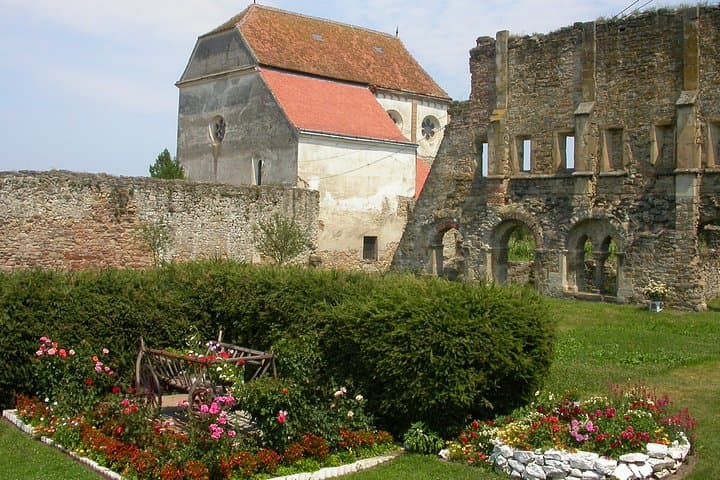
This corridor of stone carries centuries of human movement: Cistercian monks at the Abbey of Cârța shaped the medieval plain below, while the Brukenthal Palace and gardens at Avrig recall Habsburg-era baroque influence in Transylvania. Geologically, the Făgăraș are young fold mountains—steep ridges carved by ice and weather into cirques and cols that funnel water down to sheltered valleys.
Culturally, the journey links pastoral villages, fortified Saxon farms and road-side shepherding traditions; the guide’s role is to place those details between one viewpoint and the next. In winter the road closes in sections and the only practical access to Balea Lake is by cable car; in summer you can walk to the waterfall and hike shorter alpine trails.
Practically: wear sturdy boots, bring layers for wind and sudden cold at elevation, and pack water and snacks—there’s time for a picnic by the lake. If you prefer less walking, the cable car or roadside viewpoints deliver dramatic panoramas with minimal effort. Expect a full, active day—about ten hours including drives and stops—and plan your camera, sunscreen and timing to avoid midday crowds on clear days.
moderate.
10 hours.
Suitable for travelers with a moderate fitness level who can manage short alpine walks and several hours in a vehicle.
No — heavy snow closes sections in winter; parts are typically open from late spring to early autumn depending on snow melt.
Hiking from Balea Waterfall to the lake is not recommended in winter; access is usually by cable car and requires winter gear if you exit the station.
This tour’s inclusions list transport and guide services; specific admission fees for sites like Brukenthal Palace may be additional—confirm with the operator.
Yes — infants can ride in strollers for low-impact stops, but children should be supervised near steep viewpoints and at altitude.
The Cârța Abbey dates to the 13th century and reflects the region’s medieval monastic networks; Brukenthal Palace was built in the late 18th century as a summer residence for the Transylvanian governor.
The Făgăraș area is sensitive to erosion and trail widening—stick to marked paths, carry out waste, and avoid driving off designated roads to protect fragile alpine habitats.
Carpathian Travel Center operates guided outdoor trips and adventures with an emphasis on safety, stewardship, and memorable experiences.



You start the day on asphalt that climbs like a story—switchbacks breathing out into high alpine air as the Transfagarasan unfurls above the tree line. The road pushes you into the spine of the Făgăraș Mountains; cliffs, tunnels and viaducts frame a route that feels engineered to challenge the horizon. At 2,034 m, the glacial Balea Lake waits cool and compact, its surface reflecting rock and sky with an almost deliberate stillness.
You start the day on asphalt that climbs like a story—switchbacks breathing out into high alpine air as the Transfagarasan unfurls above the tree line. The road pushes you into the spine of the Făgăraș Mountains; cliffs, tunnels and viaducts frame a route that feels engineered to challenge the horizon. At 2,034 m, the glacial Balea Lake waits cool and compact, its surface reflecting rock and sky with an almost deliberate stillness.
This corridor of stone carries centuries of human movement: Cistercian monks at the Abbey of Cârța shaped the medieval plain below, while the Brukenthal Palace and gardens at Avrig recall Habsburg-era baroque influence in Transylvania. Geologically, the Făgăraș are young fold mountains—steep ridges carved by ice and weather into cirques and cols that funnel water down to sheltered valleys.
Culturally, the journey links pastoral villages, fortified Saxon farms and road-side shepherding traditions; the guide’s role is to place those details between one viewpoint and the next. In winter the road closes in sections and the only practical access to Balea Lake is by cable car; in summer you can walk to the waterfall and hike shorter alpine trails.
Practically: wear sturdy boots, bring layers for wind and sudden cold at elevation, and pack water and snacks—there’s time for a picnic by the lake. If you prefer less walking, the cable car or roadside viewpoints deliver dramatic panoramas with minimal effort. Expect a full, active day—about ten hours including drives and stops—and plan your camera, sunscreen and timing to avoid midday crowds on clear days.