THE ADVENTURE COLLECTIVE® · Independent discovery and booking for outdoor travel

Walk the streets where Inca engineering meets colonial architecture on a private, four-hour Cusco circuit. Visit Plaza de Armas, Qorikancha, Sacsayhuamán, Puca Pucara, Qenqo and Tambomachay with a local guide who connects stones to stories.
Walk the streets where Inca engineering meets colonial architecture on a private, four-hour Cusco circuit. Visit Plaza de Armas, Qorikancha, Sacsayhuamán, Puca Pucara, Qenqo and Tambomachay with a local guide who connects stones to stories.
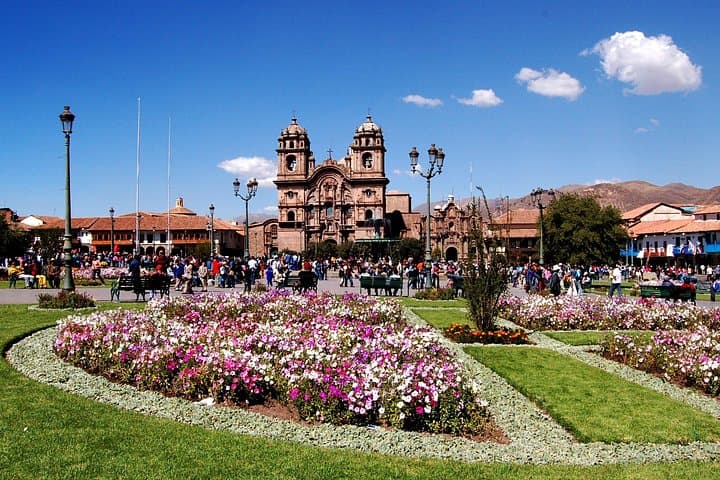
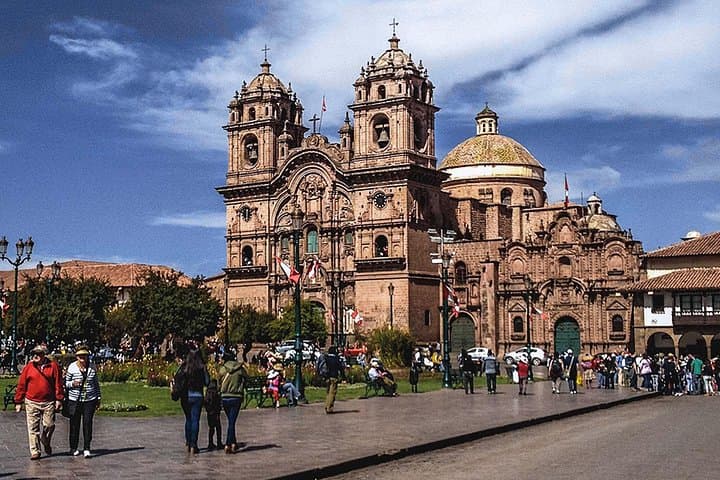
You step off the van into a high Andean light—thin air, bright stone, and the steady hum of Cusco’s Plaza de Armas. Cobblestones click underfoot as your guide folds colonial plazas and Inca foundations into a single narrative: a living city where stones still speak.
Verified experiences and guided adventures in the surrounding area.
Operated by HAKU TOURS · Cusco, Cusco
You step off the van into a high Andean light—thin air, bright stone, and the steady hum of Cusco’s Plaza de Armas. Cobblestones click underfoot as your guide folds colonial plazas and Inca foundations into a single narrative: a living city where stones still speak.
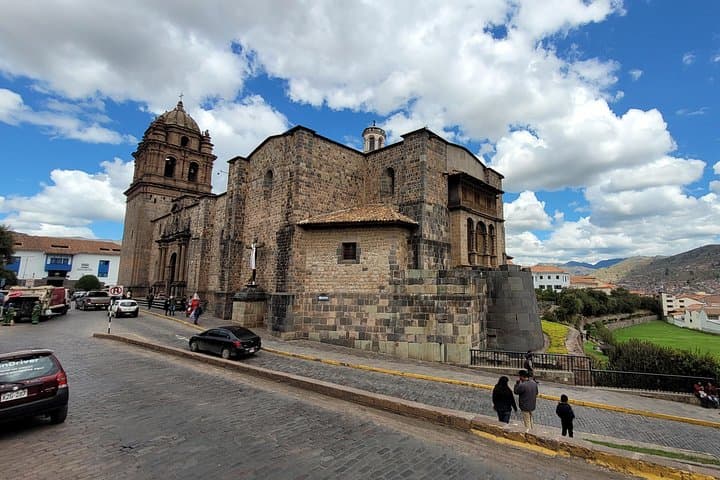
The tour threads from the Cathedral’s baroque altars to Qorikancha, the Temple of the Sun once said to have gleamed with gold, then climbs to Sacsayhuamán’s monumental megaliths. Between them are quieter, iron-hard sites: Puca Pucara’s red walls, Qenqo’s carved amphitheater, and Tambomachay’s channels where water—sacred to the Incas—still runs. Geologically, you’re walking on volcanic and sedimentary rock shaped by uplift and human shaping; culturally, you trace a sequence of Inca state planning reworked under Spanish colonial orders.
Expect steady walking on uneven stone, short uphill stretches and panoramic views of the city from hilltop ruins. Guides typically interpret construction techniques—precision-cut stone and interlocking joints—that defy simple explanation and recount how Spanish convents were built atop Inca foundations.
Practical notes: allow four hours, carry water and sun protection, and pace yourself to the altitude (Cusco sits around 3,400 m). Wear grippy, comfortable shoes; bring small local currency for entrance fees or market purchases. Mid-morning departures avoid the cold of dawn and afternoon rain in summer months. Respect the sites: do not climb on the walls, stay on marked paths, and follow your guide’s instructions to support conservation. This private tour gives context to both stone and city—compact, walkable, and rich in Andean history.
moderate.
4 hours.
Moderate fitness for city walking and short uphill sections at high altitude; able to handle uneven terrain and stairs.
Admission varies by site; some attractions are included by tour and others require separate local tickets—confirm with the operator before departure.
This is a private tour and pickup from a central Cusco location is typically arranged; booking questions request your pickup point.
Cusco sits around 3,400 m; mild symptoms are common—rest, hydrate, avoid alcohol, and consider coca tea or prophylactic advice from a physician if you have concerns.
Many sites have uneven stone, steps and steep slopes; accessibility is limited—contact the provider to discuss specific mobility needs.
Cusco was the political and spiritual center of the Inca Empire; Spanish colonizers built churches and convents atop Inca foundations, creating the layered urban fabric you see today.
Sites are vulnerable to erosion and visitor impact—adhere to pathways, avoid touching carved stones, and support local conservation fees when offered.
HAKU TOURS operates guided outdoor trips and adventures with an emphasis on safety, stewardship, and memorable experiences.
You step off the van into a high Andean light—thin air, bright stone, and the steady hum of Cusco’s Plaza de Armas. Cobblestones click underfoot as your guide folds colonial plazas and Inca foundations into a single narrative: a living city where stones still speak.
You step off the van into a high Andean light—thin air, bright stone, and the steady hum of Cusco’s Plaza de Armas. Cobblestones click underfoot as your guide folds colonial plazas and Inca foundations into a single narrative: a living city where stones still speak.
The tour threads from the Cathedral’s baroque altars to Qorikancha, the Temple of the Sun once said to have gleamed with gold, then climbs to Sacsayhuamán’s monumental megaliths. Between them are quieter, iron-hard sites: Puca Pucara’s red walls, Qenqo’s carved amphitheater, and Tambomachay’s channels where water—sacred to the Incas—still runs. Geologically, you’re walking on volcanic and sedimentary rock shaped by uplift and human shaping; culturally, you trace a sequence of Inca state planning reworked under Spanish colonial orders.
Expect steady walking on uneven stone, short uphill stretches and panoramic views of the city from hilltop ruins. Guides typically interpret construction techniques—precision-cut stone and interlocking joints—that defy simple explanation and recount how Spanish convents were built atop Inca foundations.
Practical notes: allow four hours, carry water and sun protection, and pace yourself to the altitude (Cusco sits around 3,400 m). Wear grippy, comfortable shoes; bring small local currency for entrance fees or market purchases. Mid-morning departures avoid the cold of dawn and afternoon rain in summer months. Respect the sites: do not climb on the walls, stay on marked paths, and follow your guide’s instructions to support conservation. This private tour gives context to both stone and city—compact, walkable, and rich in Andean history.