THE ADVENTURE COLLECTIVE® · Independent discovery and booking for outdoor travel

Explore the Tower of London with a private guide: trace Norman masonry, stand before the Crown Jewels and meet the famous ravens in a focused 2½-hour visit. Practical tips on timing, accessibility and what to expect inside.
Explore the Tower of London with a private guide: trace Norman masonry, stand before the Crown Jewels and meet the famous ravens in a focused 2½-hour visit. Practical tips on timing, accessibility and what to expect inside.
A morning at the Tower of London opens with the river at your back and stone that still holds the echo of footsteps from a millennium of power plays. The guide meets you at the outer walls; Traitor’s Gate gapes below and the ravens tilt their heads as you pass. Within the complex, the White Tower rises like a compact fortress, its Norman stones bearing the marks of kings, mint masters and armorsmiths.
Verified experiences and guided adventures in the surrounding area.
Operated by Urban Saunters · London, England
A morning at the Tower of London opens with the river at your back and stone that still holds the echo of footsteps from a millennium of power plays. The guide meets you at the outer walls; Traitor’s Gate gapes below and the ravens tilt their heads as you pass. Within the complex, the White Tower rises like a compact fortress, its Norman stones bearing the marks of kings, mint masters and armorsmiths.
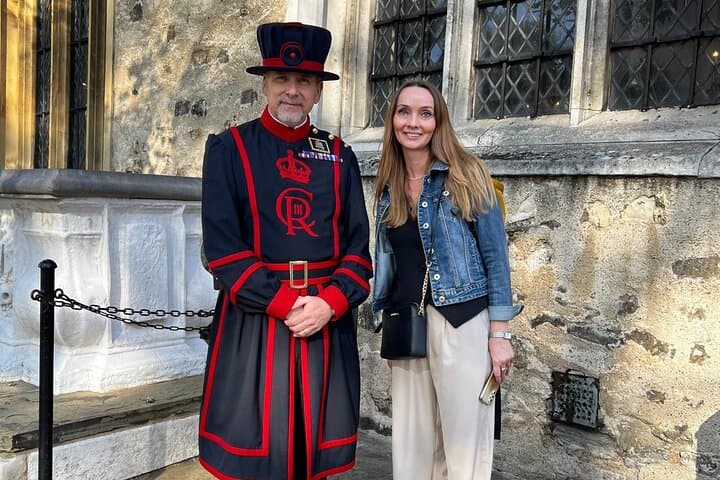
Founded by William the Conqueror in the late 11th century, the Tower has served as palace, prison, zoo and treasury. Geologically the site sits on London Clay beside the Thames, which made it defensible and strategically vital; the White Tower’s original masonry mixes Kentish ragstone and imported Caen stone, a visible record of medieval logistics and status. Culturally the Tower remains ceremonial — Beefeaters (Yeoman Warders) and the Crown Jewels anchor national ritual even as the ravens symbolize continuity and superstition.
Practical guidance: the private format compresses highlights into about 2½ hours — expect exterior viewpoints (Traitor’s Gate, Tower Hill), the White Tower, the Crown Jewels and a stop to meet the ravens. Security screening is standard and photography rules apply in some rooms. Wear comfortable shoes for cobbles and stairs; bring ID for ticket validation. The tour is family-friendly and can be tailored for children, but it’s not suitable for those with serious spinal or cardiac issues. Arrive 15–20 minutes early to clear queues; mornings reduce crowds. Tickets and entrance are included in the booking; cancel at least 24 hours ahead for a full refund. With a private guide, the Tower’s layered history becomes readable — every arrow slit, armor breastplate and chapel window tells a practical, human story rather than a distant legend.
easy.
2–3 hours.
Light walking ability; comfortable with stairs and short periods standing
Yes—entry reservations and tickets for the Tower complex are included in the booking.
Yes—the operator can tailor commentary and pace for families, making it accessible to children with supervision.
Yes—the Crown Jewels are part of the standard visit, though some areas restrict photography and can be crowded.
Parts of the complex have steps and tight corridors; those with serious mobility restrictions should check in advance and advise the operator of needs.
Founded in the late 11th century by William the Conqueror, the Tower has functioned as fortress, royal palace, mint and prison.
Visitor numbers and guided access are managed to protect fragile interiors and artifacts; stick to paths and follow staff guidance to minimise impact.
Urban Saunters operates guided outdoor trips and adventures with an emphasis on safety, stewardship, and memorable experiences.
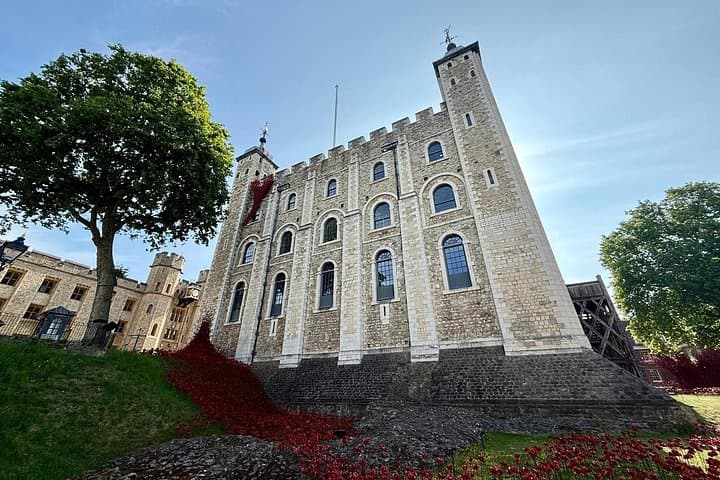


A morning at the Tower of London opens with the river at your back and stone that still holds the echo of footsteps from a millennium of power plays. The guide meets you at the outer walls; Traitor’s Gate gapes below and the ravens tilt their heads as you pass. Within the complex, the White Tower rises like a compact fortress, its Norman stones bearing the marks of kings, mint masters and armorsmiths.
A morning at the Tower of London opens with the river at your back and stone that still holds the echo of footsteps from a millennium of power plays. The guide meets you at the outer walls; Traitor’s Gate gapes below and the ravens tilt their heads as you pass. Within the complex, the White Tower rises like a compact fortress, its Norman stones bearing the marks of kings, mint masters and armorsmiths.
Founded by William the Conqueror in the late 11th century, the Tower has served as palace, prison, zoo and treasury. Geologically the site sits on London Clay beside the Thames, which made it defensible and strategically vital; the White Tower’s original masonry mixes Kentish ragstone and imported Caen stone, a visible record of medieval logistics and status. Culturally the Tower remains ceremonial — Beefeaters (Yeoman Warders) and the Crown Jewels anchor national ritual even as the ravens symbolize continuity and superstition.
Practical guidance: the private format compresses highlights into about 2½ hours — expect exterior viewpoints (Traitor’s Gate, Tower Hill), the White Tower, the Crown Jewels and a stop to meet the ravens. Security screening is standard and photography rules apply in some rooms. Wear comfortable shoes for cobbles and stairs; bring ID for ticket validation. The tour is family-friendly and can be tailored for children, but it’s not suitable for those with serious spinal or cardiac issues. Arrive 15–20 minutes early to clear queues; mornings reduce crowds. Tickets and entrance are included in the booking; cancel at least 24 hours ahead for a full refund. With a private guide, the Tower’s layered history becomes readable — every arrow slit, armor breastplate and chapel window tells a practical, human story rather than a distant legend.