THE ADVENTURE COLLECTIVE® · Independent discovery and booking for outdoor travel

Explore Venice’s Accademia Gallery with a private guide, then walk the artistic Dorsoduro district. This two-hour tour pairs concentrated museum time with local streets, cafés and waterfront views.
Explore Venice’s Accademia Gallery with a private guide, then walk the artistic Dorsoduro district. This two-hour tour pairs concentrated museum time with local streets, cafés and waterfront views.
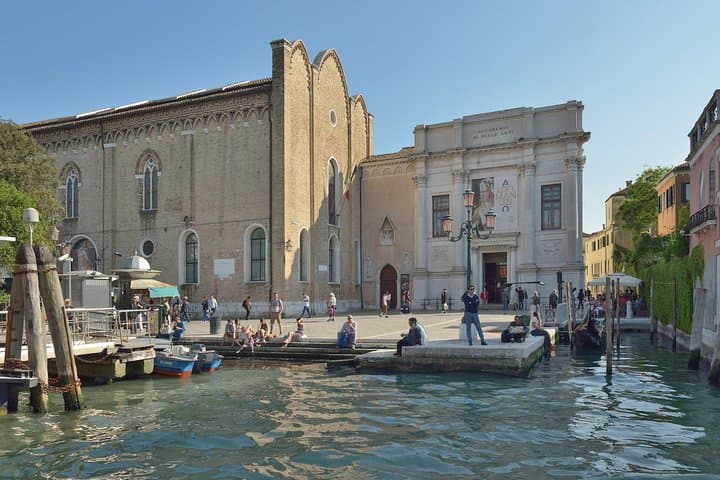
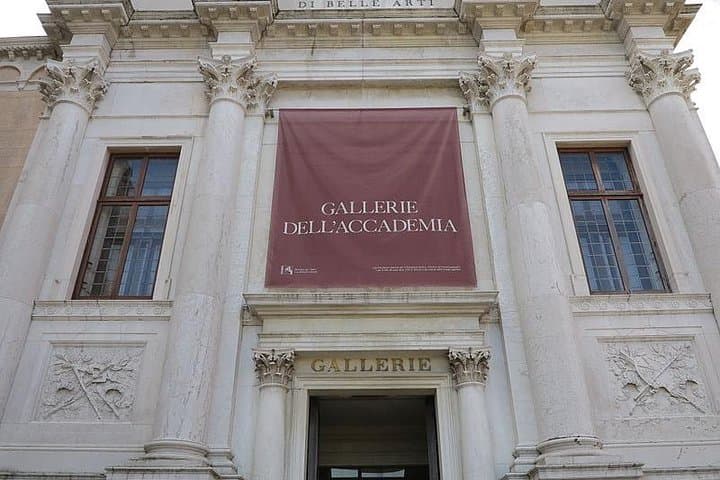
You step off the bridge and the canal exhales—small waves pushing light against stone—and the Accademia façade rises a short walk away.
Verified experiences and guided adventures in the surrounding area.
Operated by TUI Musement · Venice, Veneto
You step off the bridge and the canal exhales—small waves pushing light against stone—and the Accademia façade rises a short walk away.
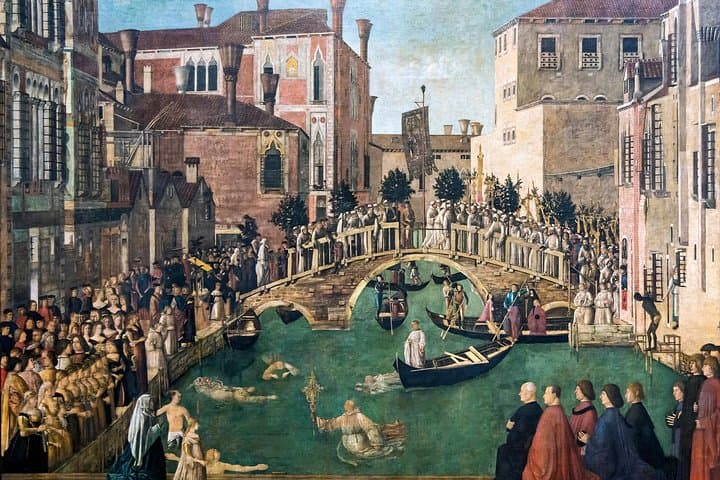
Inside, the pace changes: quieter air, hushed footsteps, and galleries where Venetian color and shadow argue across canvases. The private guide threads context through paintings by Bellini, Carpaccio, Giorgione and Tintoretto, pointing out brushwork and the city’s shifting visual language from Byzantine formality to Renaissance light. The museum also safeguards rare pieces that surface only occasionally, including Leonardo’s Vitruvian Man on special display.
Dorsoduro, the neighborhood you’ll walk through afterward, is less polished than San Marco—student-run cafés line Campo Santa Margherita, while the Zattere promenade looks across at the slow-moving Giudecca Canal. The area’s history is carved into its churches and 17th-century palazzi; these buildings reflect Venice’s maritime wealth and the practical geology of a city built on piles in a lagoon.
Practically: the tour is two hours, combining roughly 80 minutes in the museum and 40 minutes outdoors. Expect level walking and several stair options handled by staff; photography is allowed without flash. Arrive 10 minutes early with your mobile or printed voucher. Keep valuables secured—crowds and narrow alleys demand attention—and consider a quieter late-morning slot for softer light in the galleries and fewer tour groups on the streets.
This private format is ideal for focused art history questions and a measured introduction to one of Venice’s liveliest sestieri.
easy.
2 hours.
Suitable for most fitness levels; involves standing and walking on flat indoor floors and short outdoor streets.
About 80 minutes of the two-hour tour is spent inside the Accademia, focusing on key Venetian works and styles.
Yes. The gallery and much of the walking route in Dorsoduro offer lifts and accessible surfaces; notify the operator of special requirements when booking.
Photography is permitted without flash; tripods and large supports are usually not allowed—follow your guide’s directions.
Da Vinci’s Vitruvian Man is only shown on rare occasions; it is not part of regular viewing and is displayed based on museum rotation policies.
The Accademia collection consolidates centuries of Venetian painting, charting the city’s visual evolution from Byzantine icons to 18th-century vistas by Canaletto and Guardi.
Venice’s museum network manages visitor flow to protect fragile works; outdoors, respect signage and avoid feeding wildlife to limit lagoon ecosystem impacts.
TUI Musement operates guided outdoor trips and adventures with an emphasis on safety, stewardship, and memorable experiences.

You step off the bridge and the canal exhales—small waves pushing light against stone—and the Accademia façade rises a short walk away.
You step off the bridge and the canal exhales—small waves pushing light against stone—and the Accademia façade rises a short walk away.
Inside, the pace changes: quieter air, hushed footsteps, and galleries where Venetian color and shadow argue across canvases. The private guide threads context through paintings by Bellini, Carpaccio, Giorgione and Tintoretto, pointing out brushwork and the city’s shifting visual language from Byzantine formality to Renaissance light. The museum also safeguards rare pieces that surface only occasionally, including Leonardo’s Vitruvian Man on special display.
Dorsoduro, the neighborhood you’ll walk through afterward, is less polished than San Marco—student-run cafés line Campo Santa Margherita, while the Zattere promenade looks across at the slow-moving Giudecca Canal. The area’s history is carved into its churches and 17th-century palazzi; these buildings reflect Venice’s maritime wealth and the practical geology of a city built on piles in a lagoon.
Practically: the tour is two hours, combining roughly 80 minutes in the museum and 40 minutes outdoors. Expect level walking and several stair options handled by staff; photography is allowed without flash. Arrive 10 minutes early with your mobile or printed voucher. Keep valuables secured—crowds and narrow alleys demand attention—and consider a quieter late-morning slot for softer light in the galleries and fewer tour groups on the streets.
This private format is ideal for focused art history questions and a measured introduction to one of Venice’s liveliest sestieri.