THE ADVENTURE COLLECTIVE® · Independent discovery and booking for outdoor travel

Walk from a Baroque university library into an open‑air Roman city on a private day trip that pairs UNESCO history with archaeological mosaics. This full‑day tour includes private transport and guided insights into Coimbra’s academic and Roman past.
Walk from a Baroque university library into an open‑air Roman city on a private day trip that pairs UNESCO history with archaeological mosaics. This full‑day tour includes private transport and guided insights into Coimbra’s academic and Roman past.
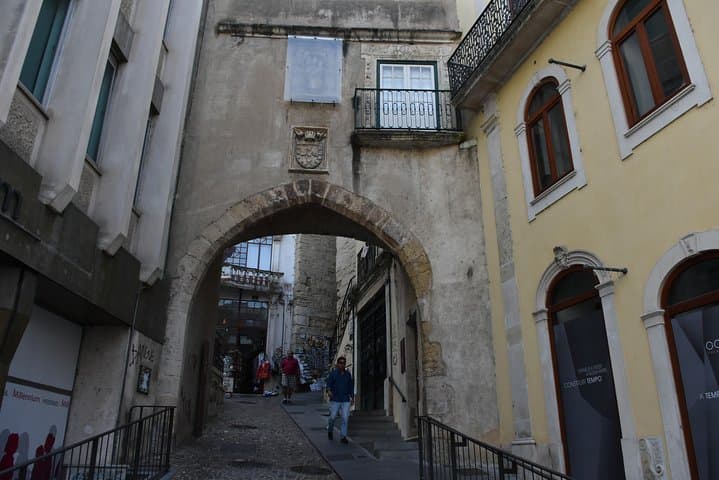
A morning in Coimbra begins with cobbled streets still cool from dawn and the distant toll of a university bell calling students to centuries-old lectures. You step from a luxury vehicle onto the hill where the University of Coimbra perches, its Baroque Joanina Library breathing a gilt hush and the Botanical Garden pushing green breath into the city. Later the road unspools to Conímbriga, where Roman mosaics and half-standing walls keep the voices of market sellers and bathers alive beneath open sky.
Verified experiences and guided adventures in the surrounding area.
Operated by Endless Weekend Tours · Coimbra, Coimbra District
A morning in Coimbra begins with cobbled streets still cool from dawn and the distant toll of a university bell calling students to centuries-old lectures. You step from a luxury vehicle onto the hill where the University of Coimbra perches, its Baroque Joanina Library breathing a gilt hush and the Botanical Garden pushing green breath into the city. Later the road unspools to Conímbriga, where Roman mosaics and half-standing walls keep the voices of market sellers and bathers alive beneath open sky.
Coimbra’s story folds from Roman Æminium to medieval royal seat and into a university founded in the 13th century; the geology is mostly schist and limestone cut by the Mondego River, which threads the valley below like a restless guide. Conímbriga preserves urban planning, baths, and villa mosaics that reveal Roman engineering and daily life for a population once in the thousands.
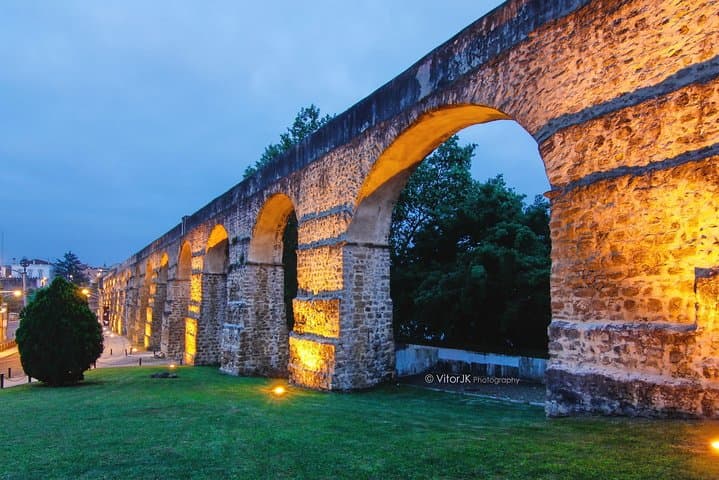
Culturally, expect academic pageantry, the soft, male-voiced strains of Fado de Coimbra, and hearty regional cuisine — chanfana and arroz doce among them. Local insights include the aqueduct “Arcos do Jardim” and the quiet cloister corners where students still convene.
Practical guidance: the private tour runs about 8–10 hours with transport, Wi‑Fi and bottled water provided; some sites charge modest entrance fees (Joanina Library ~€13.50, Conímbriga ~€4.50). Wear comfortable walking shoes for uneven stone, bring sun protection and a light layer for coastal winds. The pace is flexible on a private tour but allow time for stairs, photo stops, and a relaxed lunch in Coimbra’s old town.
easy.
8–10 hours.
Suitable for most fitness levels; requires mobility for walking and staircases.
Not automatically—Joanina Library and Conímbriga typically charge small admission fees; the tour notes optional extras with current prices listed by the operator.
Transport is wheelchair accessible; some historic sites have limited access due to stairs and ancient floors—check specifics with the operator ahead of booking.
Driving takes about 20–40 minutes one way depending on traffic and route; the full tour is planned as an 8–10 hour day with time for walks and meals.
Yes—private tours can arrange meal choices on request; indicate dietary restrictions when booking so hosts can plan accordingly.
Coimbra served as a royal seat in the 12th century and later hosted one of Europe’s oldest universities; Conímbriga was a major Roman settlement whose mosaics reflect domestic and civic life.
Conímbriga is managed to protect fragile mosaics—stay on designated paths and avoid touching ancient surfaces; Coimbra’s historic sites balance tourism with preservation of student traditions.
Endless Weekend Tours operates guided outdoor trips and adventures with an emphasis on safety, stewardship, and memorable experiences.
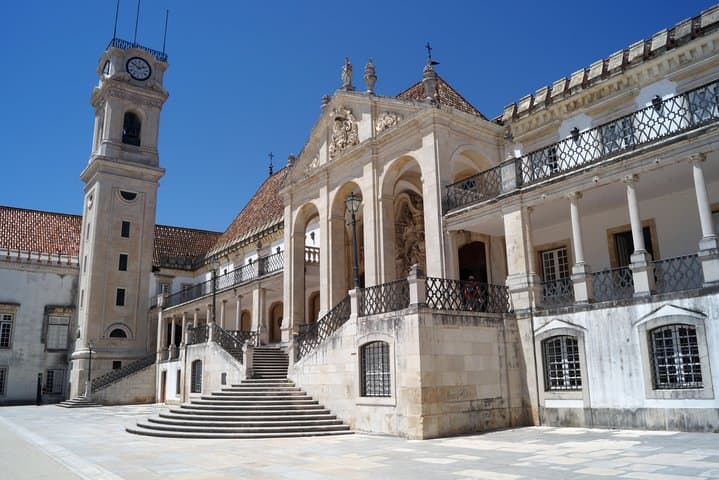
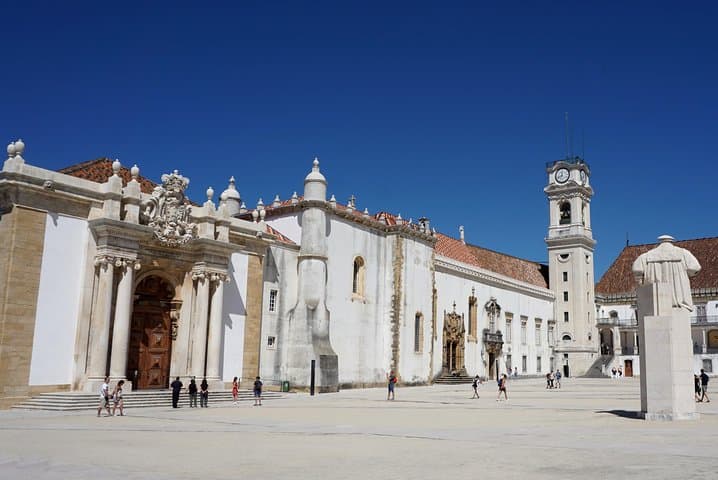
A morning in Coimbra begins with cobbled streets still cool from dawn and the distant toll of a university bell calling students to centuries-old lectures. You step from a luxury vehicle onto the hill where the University of Coimbra perches, its Baroque Joanina Library breathing a gilt hush and the Botanical Garden pushing green breath into the city. Later the road unspools to Conímbriga, where Roman mosaics and half-standing walls keep the voices of market sellers and bathers alive beneath open sky.
A morning in Coimbra begins with cobbled streets still cool from dawn and the distant toll of a university bell calling students to centuries-old lectures. You step from a luxury vehicle onto the hill where the University of Coimbra perches, its Baroque Joanina Library breathing a gilt hush and the Botanical Garden pushing green breath into the city. Later the road unspools to Conímbriga, where Roman mosaics and half-standing walls keep the voices of market sellers and bathers alive beneath open sky.
Coimbra’s story folds from Roman Æminium to medieval royal seat and into a university founded in the 13th century; the geology is mostly schist and limestone cut by the Mondego River, which threads the valley below like a restless guide. Conímbriga preserves urban planning, baths, and villa mosaics that reveal Roman engineering and daily life for a population once in the thousands.
Culturally, expect academic pageantry, the soft, male-voiced strains of Fado de Coimbra, and hearty regional cuisine — chanfana and arroz doce among them. Local insights include the aqueduct “Arcos do Jardim” and the quiet cloister corners where students still convene.
Practical guidance: the private tour runs about 8–10 hours with transport, Wi‑Fi and bottled water provided; some sites charge modest entrance fees (Joanina Library ~€13.50, Conímbriga ~€4.50). Wear comfortable walking shoes for uneven stone, bring sun protection and a light layer for coastal winds. The pace is flexible on a private tour but allow time for stairs, photo stops, and a relaxed lunch in Coimbra’s old town.