THE ADVENTURE COLLECTIVE® · Independent discovery and booking for outdoor travel

A private, 4–5 hour northern Qatar tour that links Purple Island’s mangroves, the UNESCO‑listed Zubara Fort, and a contemporary Olafur Eliasson installation—ideal for nature lovers and history buffs seeking a compact, transportive day trip.
A private, 4–5 hour northern Qatar tour that links Purple Island’s mangroves, the UNESCO‑listed Zubara Fort, and a contemporary Olafur Eliasson installation—ideal for nature lovers and history buffs seeking a compact, transportive day trip.
You step out of an air‑conditioned vehicle and into a broad, salt‑kissed flat where wind shapes the light—this is Qatar’s northern coast, where calm lagoons meet low dunes and mangrove roots clutch the shoreline.
Verified experiences and guided adventures in the surrounding area.
Operated by Gulf Desert Rose Travel & Tourism · Zubarah, Al Shamal
You step out of an air‑conditioned vehicle and into a broad, salt‑kissed flat where wind shapes the light—this is Qatar’s northern coast, where calm lagoons meet low dunes and mangrove roots clutch the shoreline.
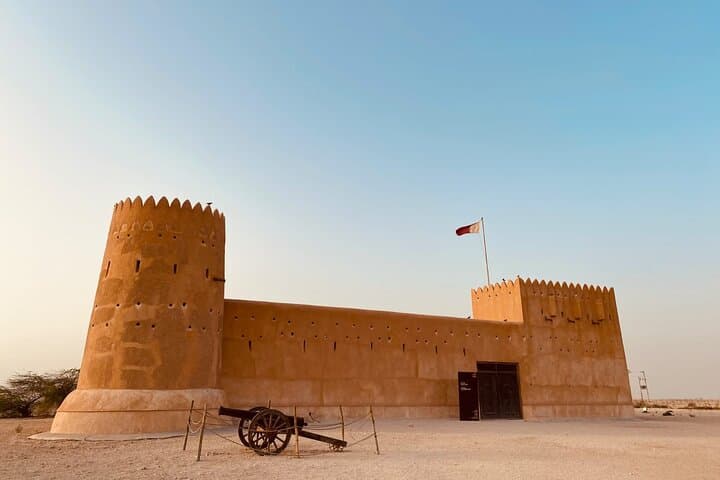
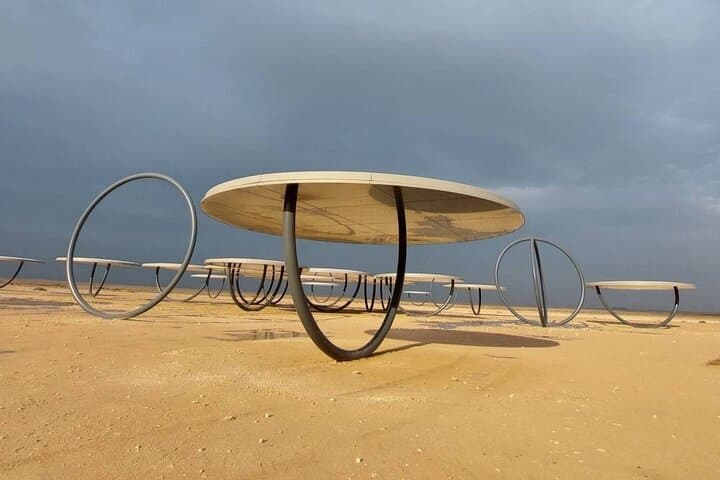
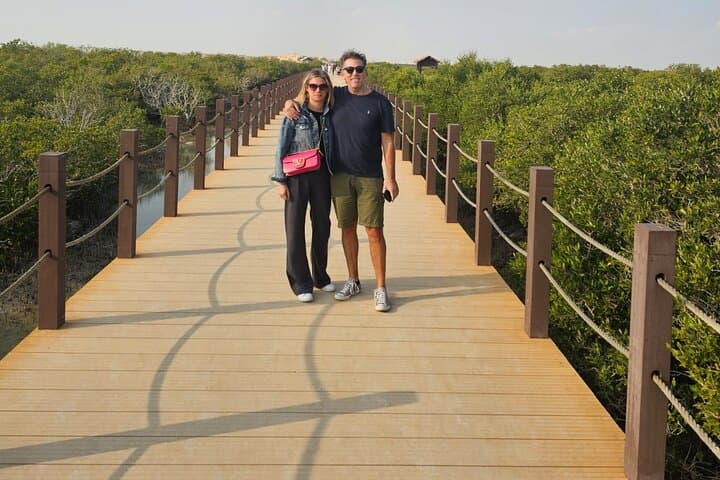
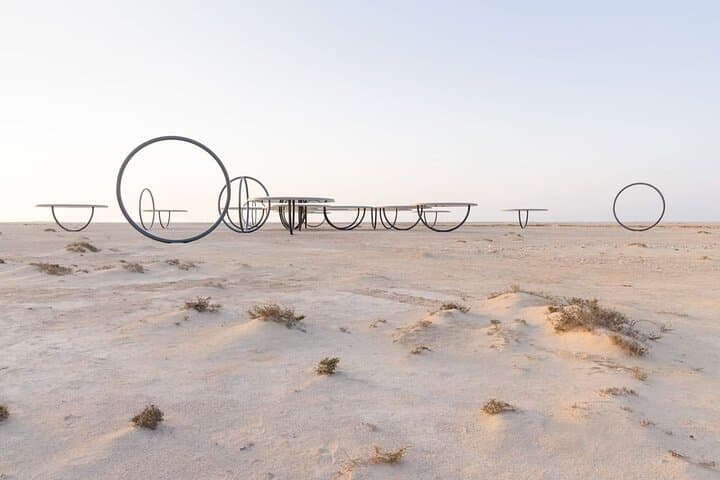
The first impressions are tactile: the boardwalk creaks underfoot at Purple Island (Al Thakhira), mangrove roots like hands reaching into the tide, and seabirds punctuate the horizon. A short drive north brings you to Zubara Fort, where the stone walls keep the country’s 18th‑century trading past visible in shadow and sun. Between them, Olafur Eliasson’s “Shadow of Traveling Qatar” reframes familiar vistas, using light and scale to make you notice wind, angle, and time.
Geology here is recent—coastal flats formed by marine sediments and windblown sand—so archaeological layers at Zubara reveal a once‑bustling pearling and trade town. Culturally, the sites stitch together natural rhythms and human use: mangroves sustain fisheries and birds, the fort marks strategic coastal commerce, and contemporary art links both to national identity.
Practically, expect short, easy walks on sand, hardpacked paths, and occasional boardwalks; total tour time runs four to five hours with multiple stops. Temperatures can spike—plan early or late departures, hydrate, and protect against sun and windblown sand. Bring a camera with a polarizer for reflective water and muted midday light, and allow time to absorb both quiet tidal flats and the layered stories of the fort.
easy.
4–5 hours.
Light fitness—suitable for most travelers; expect short, flat walks of under 2 km per stop.
The private tour runs about 240–300 minutes (4–5 hours), including pick‑up, multiple stops, and return.
Walking is short and easy at each stop—typically under 1–2 km on flat terrain, boardwalks, and hardpacked sand.
The tour lists wheelchair accessibility for vehicle transfer; however, many historic and mangrove areas have uneven surfaces—check in advance for site‑specific access.
Admission to Zubara Fort is generally managed by local authorities; most private tours include guidance but not always entry fees—confirm with the operator at booking.
Zubara was a thriving 18th‑century pearling and trading settlement; the fort and surrounding ruins reflect that maritime economy and the region’s strategic coastal role.
Mangrove stands are fragile and vital for coastal fisheries and birdlife—stay on paths, avoid trampling roots, and follow local guidance to minimize impact.
Gulf Desert Rose Travel & Tourism operates guided outdoor trips and adventures with an emphasis on safety, stewardship, and memorable experiences.
You step out of an air‑conditioned vehicle and into a broad, salt‑kissed flat where wind shapes the light—this is Qatar’s northern coast, where calm lagoons meet low dunes and mangrove roots clutch the shoreline.
You step out of an air‑conditioned vehicle and into a broad, salt‑kissed flat where wind shapes the light—this is Qatar’s northern coast, where calm lagoons meet low dunes and mangrove roots clutch the shoreline.
The first impressions are tactile: the boardwalk creaks underfoot at Purple Island (Al Thakhira), mangrove roots like hands reaching into the tide, and seabirds punctuate the horizon. A short drive north brings you to Zubara Fort, where the stone walls keep the country’s 18th‑century trading past visible in shadow and sun. Between them, Olafur Eliasson’s “Shadow of Traveling Qatar” reframes familiar vistas, using light and scale to make you notice wind, angle, and time.
Geology here is recent—coastal flats formed by marine sediments and windblown sand—so archaeological layers at Zubara reveal a once‑bustling pearling and trade town. Culturally, the sites stitch together natural rhythms and human use: mangroves sustain fisheries and birds, the fort marks strategic coastal commerce, and contemporary art links both to national identity.
Practically, expect short, easy walks on sand, hardpacked paths, and occasional boardwalks; total tour time runs four to five hours with multiple stops. Temperatures can spike—plan early or late departures, hydrate, and protect against sun and windblown sand. Bring a camera with a polarizer for reflective water and muted midday light, and allow time to absorb both quiet tidal flats and the layered stories of the fort.