THE ADVENTURE COLLECTIVE® · Independent discovery and booking for outdoor travel

Spend half a day swapping Barcelona’s boulevards for jagged limestone ridges and a 1,000-year-old monastery. This private transfer gives quick access to Montserrat’s monastery, short nature trails, and panoramic viewpoints—ideal for a morning escape.
Spend half a day swapping Barcelona’s boulevards for jagged limestone ridges and a 1,000-year-old monastery. This private transfer gives quick access to Montserrat’s monastery, short nature trails, and panoramic viewpoints—ideal for a morning escape.
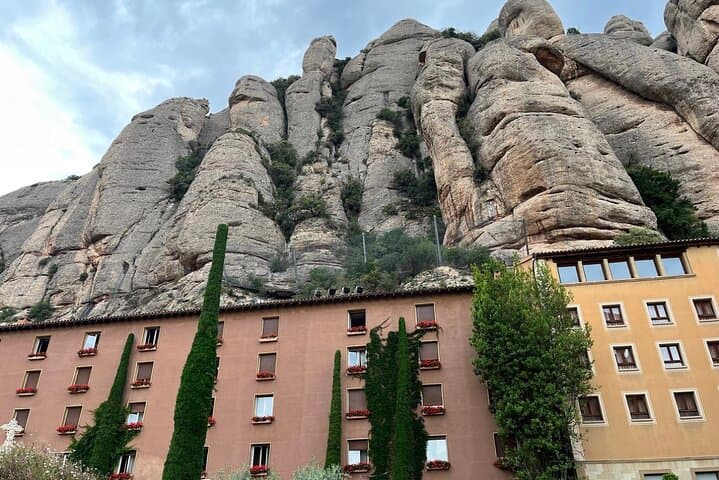
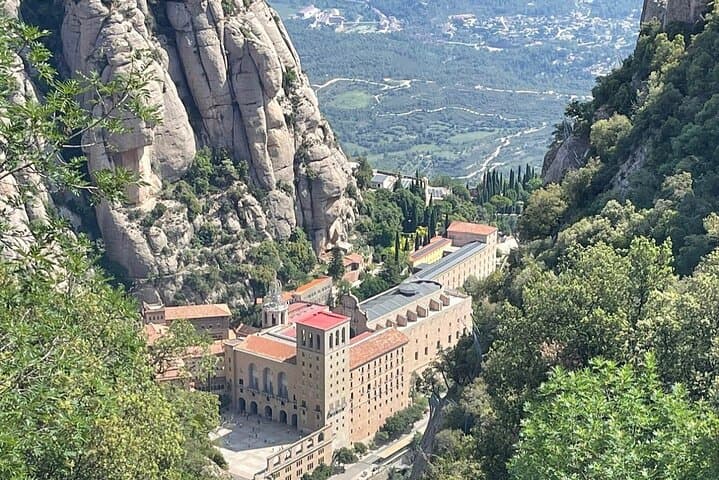
A single road climbs out of the city’s grid and the skyline shifts: Barcelona’s glass and stone give way to serrated silhouettes of conglomerate towers. In less than an hour a private driver pulls up on a narrow mountain road and the monastery of Santa Maria de Montserrat fills the view — carved cliffs above, a cluster of buildings clinging to a shelf.
Verified experiences and guided adventures in the surrounding area.
Operated by BARCELONA TRANSFER · Montserrat, Catalonia
A single road climbs out of the city’s grid and the skyline shifts: Barcelona’s glass and stone give way to serrated silhouettes of conglomerate towers. In less than an hour a private driver pulls up on a narrow mountain road and the monastery of Santa Maria de Montserrat fills the view — carved cliffs above, a cluster of buildings clinging to a shelf.
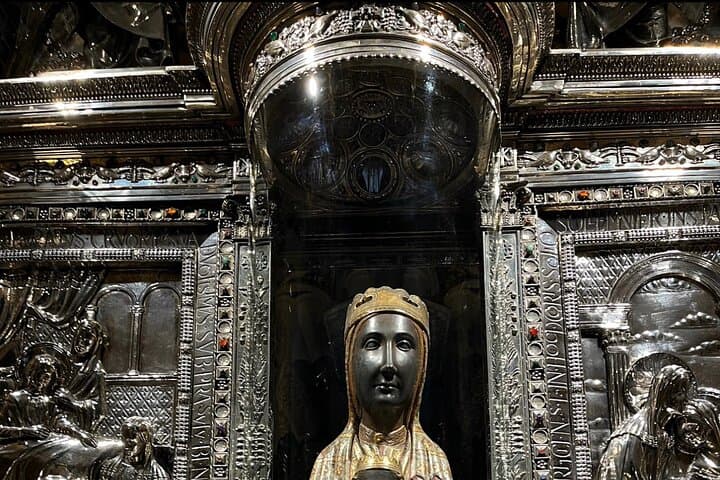
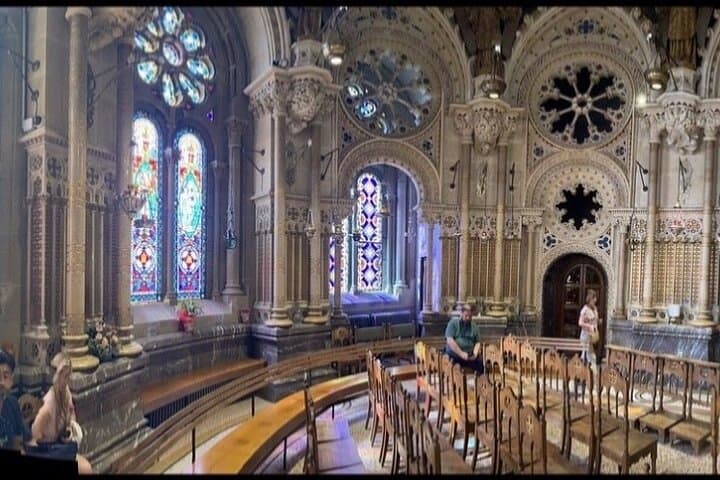
Montserrat’s peaks rise to roughly 4,000 feet and are composed of rounded conglomerate rock, sculpted by millennia of erosion into abrupt pinnacles and smooth ledges. The Benedictine abbey, with roots in the 11th century, anchors the place: Gothic and Renaissance elements frame the Black Madonna and, on weekdays, the boys’ choir adds a living thread to a long liturgical history. Trails fan out from the plaza — short, rocky loops to panoramic overlooks and longer ridgelines that reward early starts with broad views over the Catalan plain.
Locals come for pilgrimage and picnics; climbers and hikers come for the stone towers and short technical scrambles. Many visitors add the funicular or cremallera (rack railway) to reach vantage points, but a private transfer drops you closest to the monastery for efficient access.
Practical guidance: plan morning visits to hear the choir and to avoid afternoon crowds. Wear supportive shoes for uneven rock, carry water (there are limited services on trails), and bring layers — wind and sun intensity change quickly at elevation. If you want a guided walk inside the park, book at least a month ahead; the private driver can wait while you explore, but a focused itinerary helps you see the highlights in the four-hour window.
moderate.
4 hours.
Suitable for travelers who can handle 1–2 hours of walking on uneven ground and short stair sections; no technical climbing required for basic trails.
Yes — the private transfer includes pickup and drop-off in Barcelona city accommodations as part of the service.
This tour is scheduled for about four hours total, which covers transit time plus roughly two to three hours on site depending on traffic and your chosen activities.
Monastery access is generally available on arrival; if you need skip-the-line entry or an English-speaking guided tour, those should be arranged in advance.
Yes — the service notes stroller accessibility and infant seats; however, some trails include steps and rocky sections that can be challenging with small children.
Montserrat’s abbey has medieval origins and grew into a major pilgrimage site; its Black Madonna and long-standing boys’ choir are central cultural features.
The park balances visitor access with fragile rock habitats — stay on marked trails, pack out waste, and avoid climbing in restricted areas to protect endemic plants and nesting birds.
BARCELONA TRANSFER operates guided outdoor trips and adventures with an emphasis on safety, stewardship, and memorable experiences.
A single road climbs out of the city’s grid and the skyline shifts: Barcelona’s glass and stone give way to serrated silhouettes of conglomerate towers. In less than an hour a private driver pulls up on a narrow mountain road and the monastery of Santa Maria de Montserrat fills the view — carved cliffs above, a cluster of buildings clinging to a shelf.
A single road climbs out of the city’s grid and the skyline shifts: Barcelona’s glass and stone give way to serrated silhouettes of conglomerate towers. In less than an hour a private driver pulls up on a narrow mountain road and the monastery of Santa Maria de Montserrat fills the view — carved cliffs above, a cluster of buildings clinging to a shelf.
Montserrat’s peaks rise to roughly 4,000 feet and are composed of rounded conglomerate rock, sculpted by millennia of erosion into abrupt pinnacles and smooth ledges. The Benedictine abbey, with roots in the 11th century, anchors the place: Gothic and Renaissance elements frame the Black Madonna and, on weekdays, the boys’ choir adds a living thread to a long liturgical history. Trails fan out from the plaza — short, rocky loops to panoramic overlooks and longer ridgelines that reward early starts with broad views over the Catalan plain.
Locals come for pilgrimage and picnics; climbers and hikers come for the stone towers and short technical scrambles. Many visitors add the funicular or cremallera (rack railway) to reach vantage points, but a private transfer drops you closest to the monastery for efficient access.
Practical guidance: plan morning visits to hear the choir and to avoid afternoon crowds. Wear supportive shoes for uneven rock, carry water (there are limited services on trails), and bring layers — wind and sun intensity change quickly at elevation. If you want a guided walk inside the park, book at least a month ahead; the private driver can wait while you explore, but a focused itinerary helps you see the highlights in the four-hour window.