THE ADVENTURE COLLECTIVE® · Independent discovery and booking for outdoor travel

Stand at the feet of the Great Pyramids and the inscrutable Sphinx on a focused two-hour private tour from Cairo. This guide covers what you’ll see, how the site formed, and practical tips to get the most from a short visit.
Stand at the feet of the Great Pyramids and the inscrutable Sphinx on a focused two-hour private tour from Cairo. This guide covers what you’ll see, how the site formed, and practical tips to get the most from a short visit.
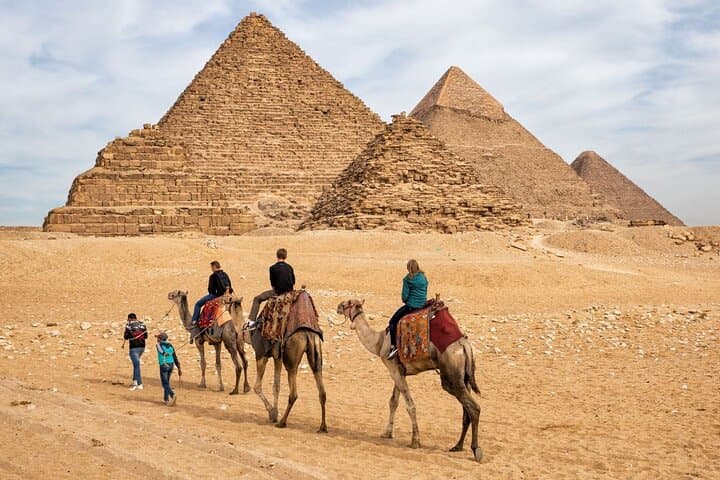
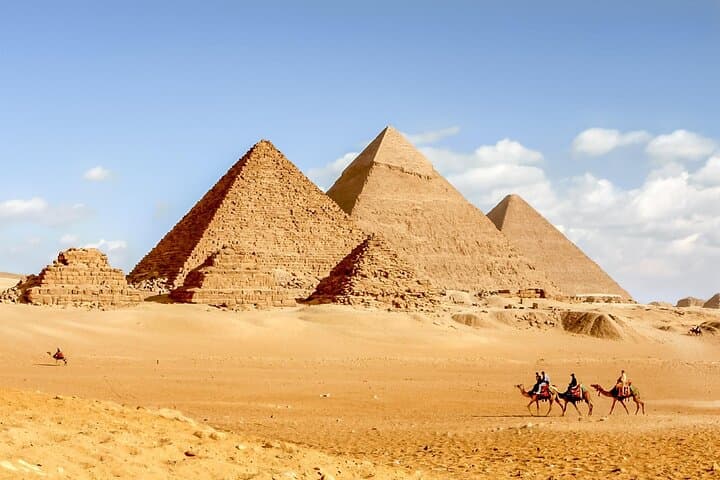
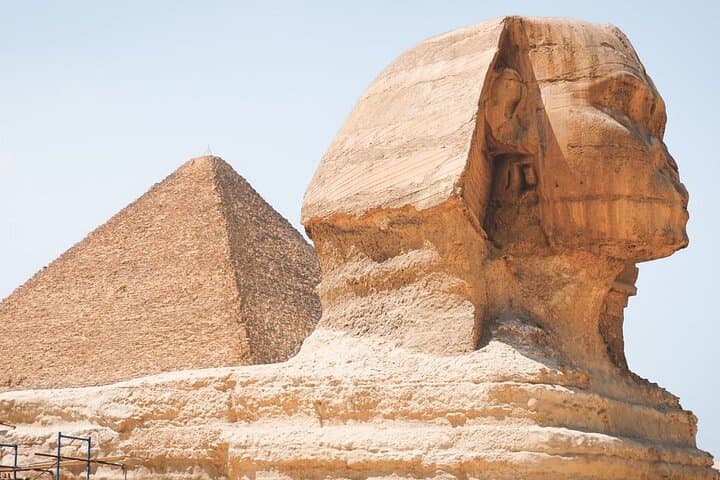
The limestone plateau opens like a stage as the vehicle pulls away from Cairo, and the three great pyramids rise out of the dust—geometric monuments that refuse to be mistaken for anything but human ambition made stone. The desert wind dares you closer, scattering grit across carved blocks while the Great Sphinx watches with an expression that feels older than any language.
Verified experiences and guided adventures in the surrounding area.
Operated by Egypt 2 Day tours · Giza, Giza Governorate
The limestone plateau opens like a stage as the vehicle pulls away from Cairo, and the three great pyramids rise out of the dust—geometric monuments that refuse to be mistaken for anything but human ambition made stone. The desert wind dares you closer, scattering grit across carved blocks while the Great Sphinx watches with an expression that feels older than any language.
Built roughly 4,500–5,000 years ago for Khufu (Cheops), Khafre (Chefren) and Menkaure (Mykerinus), the Giza necropolis sits on Pleistocene bedrock capped with Tura limestone. The Valley Temple, tied to the mummification and purification rituals of pharaohs, keeps its worn ramps and cut-stone memory of those rites. Local guides concisely bridge archaeology, geology and modern Egyptian life—explaining how casing stones once polished the pyramids and why the Sphinx’s face and body read as different eras of repair.
Expect a focused two-hour walkthrough: close-up views at the pyramid bases, a look at the Sphinx and a stop at the Valley Temple. The tour includes entrance fees and hotel pickup/return, and it’s tailored as a private guide experience—so pacing is flexible but brisk.
Practical edge: schedule early morning or late afternoon to avoid peak heat, wear sturdy shoes for uneven stone and sand, bring water and sun protection, and be mindful of modest dress at a major cultural site. Security checkpoints and short walks over rough ground are part of the visit; the tour is wheelchair-accessible in parts but uneven surfaces remain. This is a concentrated, high-impact introduction to one of the planet’s oldest outdoor wonders.
easy.
2 hours.
Suitable for most travelers; involves short walks on uneven surfaces and standing during explanations.
This tour includes entrance fees to the mentioned sites; confirm whether interior pyramid access is part of the booking as that can require separate tickets or restrictions.
Yes—this private, physically easy tour is suitable for most ages, though there is some walking on uneven ground; inform the operator of mobility needs.
Interior access is limited and may be restricted; ask your guide in advance since some interior visits require extra permits or have age/health limits.
Light, modest clothing that covers shoulders and knees is respectful; breathable fabrics and closed-toe shoes are recommended for comfort and protection.
The Giza complex dates to Egypt’s Fourth Dynasty (c. 26th–25th century BCE); the Valley Temple linked funerary ritual to the royal burial sequence.
High visitor numbers stress fragile stone and archaeological contexts; stick to marked paths and follow guide instructions to limit wear and protect ongoing conservation work.
Egypt 2 Day tours operates guided outdoor trips and adventures with an emphasis on safety, stewardship, and memorable experiences.

The limestone plateau opens like a stage as the vehicle pulls away from Cairo, and the three great pyramids rise out of the dust—geometric monuments that refuse to be mistaken for anything but human ambition made stone. The desert wind dares you closer, scattering grit across carved blocks while the Great Sphinx watches with an expression that feels older than any language.
The limestone plateau opens like a stage as the vehicle pulls away from Cairo, and the three great pyramids rise out of the dust—geometric monuments that refuse to be mistaken for anything but human ambition made stone. The desert wind dares you closer, scattering grit across carved blocks while the Great Sphinx watches with an expression that feels older than any language.
Built roughly 4,500–5,000 years ago for Khufu (Cheops), Khafre (Chefren) and Menkaure (Mykerinus), the Giza necropolis sits on Pleistocene bedrock capped with Tura limestone. The Valley Temple, tied to the mummification and purification rituals of pharaohs, keeps its worn ramps and cut-stone memory of those rites. Local guides concisely bridge archaeology, geology and modern Egyptian life—explaining how casing stones once polished the pyramids and why the Sphinx’s face and body read as different eras of repair.
Expect a focused two-hour walkthrough: close-up views at the pyramid bases, a look at the Sphinx and a stop at the Valley Temple. The tour includes entrance fees and hotel pickup/return, and it’s tailored as a private guide experience—so pacing is flexible but brisk.
Practical edge: schedule early morning or late afternoon to avoid peak heat, wear sturdy shoes for uneven stone and sand, bring water and sun protection, and be mindful of modest dress at a major cultural site. Security checkpoints and short walks over rough ground are part of the visit; the tour is wheelchair-accessible in parts but uneven surfaces remain. This is a concentrated, high-impact introduction to one of the planet’s oldest outdoor wonders.