THE ADVENTURE COLLECTIVE® · Independent discovery and booking for outdoor travel

Spend a day among Maya monuments and a crystal cenote on a private, guided excursion that combines Chichén Itzá’s monumental ruins with a 20‑meter descent into Cenote Saamal and a traditional Yucatec lunch with tortilla-making.
Spend a day among Maya monuments and a crystal cenote on a private, guided excursion that combines Chichén Itzá’s monumental ruins with a 20‑meter descent into Cenote Saamal and a traditional Yucatec lunch with tortilla-making.
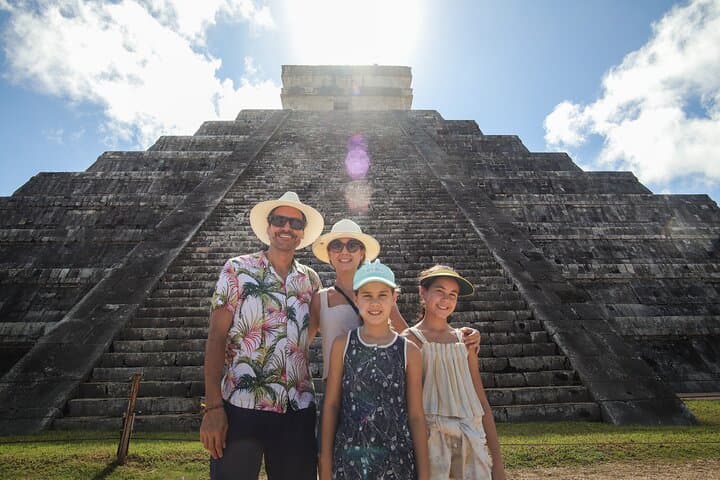
You arrive before the heat presses down, asphalt and scrub giving way to a plaza that still breathes with the past. The Kukulcán pyramid fills your view like a living calendar—stones stacked to count seasons and ceremonies—and the guide’s voice threads dates and astronomy into place. Later, the jungle hush opens into a vertical well of water; sunlight chisels through the sinkhole and the cenote seems to call, its cool surface daring you to descend.
Verified experiences and guided adventures in the surrounding area.
Operated by Link Shuttle · Piste, Yucatán
You arrive before the heat presses down, asphalt and scrub giving way to a plaza that still breathes with the past. The Kukulcán pyramid fills your view like a living calendar—stones stacked to count seasons and ceremonies—and the guide’s voice threads dates and astronomy into place. Later, the jungle hush opens into a vertical well of water; sunlight chisels through the sinkhole and the cenote seems to call, its cool surface daring you to descend.
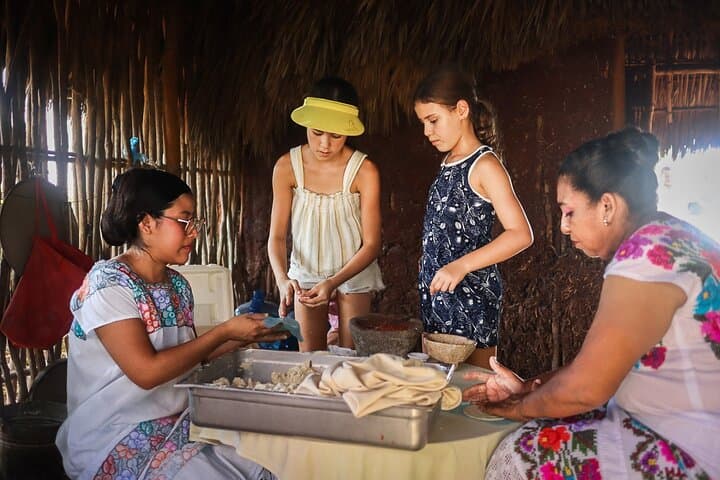
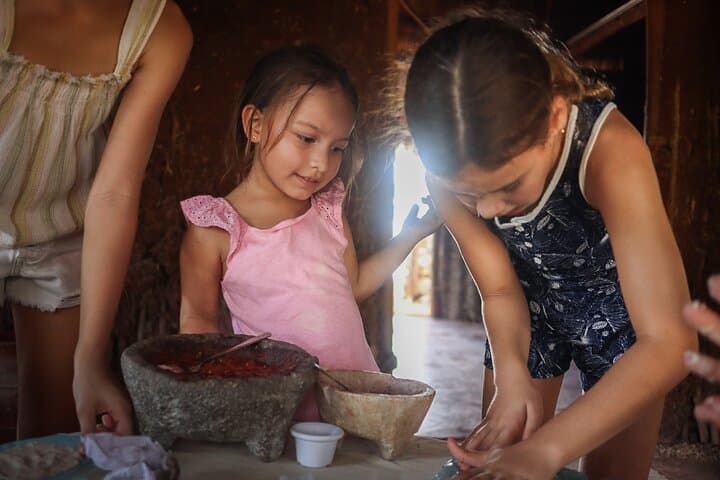
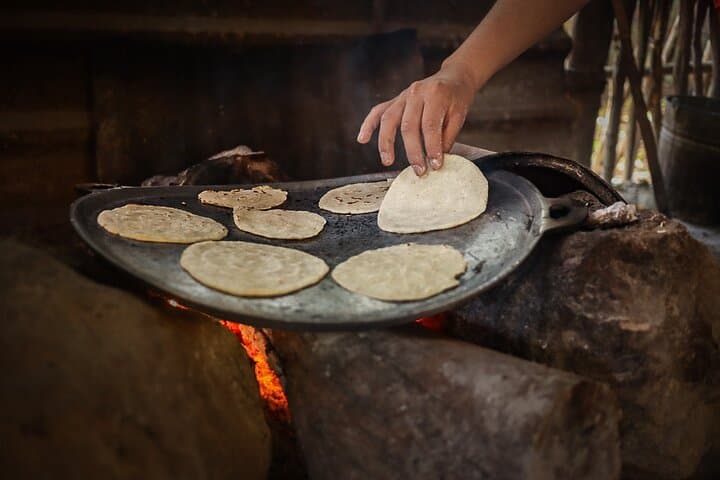
Chichén Itzá sits on limestone karst that traps rain in underground rivers; the city’s architecture—El Caracol, the ball court, the Temple of Kukulcán—reflects a civilization fluent in astronomy and engineered water management. Cenotes such as Saamal are collapse-formed access points to that aquifer, once ritual sources and today vital freshwater. The nearby village of Piste still carries Yucatec hamlet rhythms; tortilla making is a daily craft, and the included workshop connects foodways to place.
Practical guidance: this is a full-day, moderately paced private tour—expect substantial walking on packed earth, stone steps, and a 20-meter descent into the cenote via stair or platform. Bring reef-safe sunscreen, a bathing suit and water shoes, a lightweight rain layer in summer, and cash for small purchases. The tour typically includes private transport, site entrances, life jackets and a buffet lunch; start early to avoid midday crowds and heat. Respect signage at the archaeological zone—no climbing—and follow the guide’s directions around the cenote to protect fragile limestone and water quality.
moderate.
12 hours.
Moderate stamina for several hours of walking, climbing stairs and a 20m descent into a cenote; comfortable for most active travelers
Yes: the tour typically includes entrance to Chichén Itzá and the cenote, a buffet lunch with typical Yucatec food, and bottled water as listed.
Yes; swimming is allowed and life jackets are usually provided—follow guide instructions and avoid applying non‑biodegradable sunscreen in the water.
Children can participate but infants must sit on laps; the cenote descent and archaeological site involve uneven steps and walking—this tour is not recommended for travelers with severe mobility limitations or certain health conditions.
Most operators offer private transportation and pickup from hotels in Cancun and Playa del Carmen; confirm pickup point when booking and budget extra time for travel (roughly 2–2.5 hours each way from Cancun).
Chichén Itzá was a major Late Classic to Terminal Classic Maya center known for its astronomical architecture and as a hub of trade and ceremony; cenotes provided ritual access to the underworld and essential groundwater.
Cenotes are fragile groundwater systems—avoid soaps and oils, use provided care kits or biodegradable products, and follow local rules to protect water quality and archaeological features.
Link Shuttle operates guided outdoor trips and adventures with an emphasis on safety, stewardship, and memorable experiences.
You arrive before the heat presses down, asphalt and scrub giving way to a plaza that still breathes with the past. The Kukulcán pyramid fills your view like a living calendar—stones stacked to count seasons and ceremonies—and the guide’s voice threads dates and astronomy into place. Later, the jungle hush opens into a vertical well of water; sunlight chisels through the sinkhole and the cenote seems to call, its cool surface daring you to descend.
You arrive before the heat presses down, asphalt and scrub giving way to a plaza that still breathes with the past. The Kukulcán pyramid fills your view like a living calendar—stones stacked to count seasons and ceremonies—and the guide’s voice threads dates and astronomy into place. Later, the jungle hush opens into a vertical well of water; sunlight chisels through the sinkhole and the cenote seems to call, its cool surface daring you to descend.
Chichén Itzá sits on limestone karst that traps rain in underground rivers; the city’s architecture—El Caracol, the ball court, the Temple of Kukulcán—reflects a civilization fluent in astronomy and engineered water management. Cenotes such as Saamal are collapse-formed access points to that aquifer, once ritual sources and today vital freshwater. The nearby village of Piste still carries Yucatec hamlet rhythms; tortilla making is a daily craft, and the included workshop connects foodways to place.
Practical guidance: this is a full-day, moderately paced private tour—expect substantial walking on packed earth, stone steps, and a 20-meter descent into the cenote via stair or platform. Bring reef-safe sunscreen, a bathing suit and water shoes, a lightweight rain layer in summer, and cash for small purchases. The tour typically includes private transport, site entrances, life jackets and a buffet lunch; start early to avoid midday crowds and heat. Respect signage at the archaeological zone—no climbing—and follow the guide’s directions around the cenote to protect fragile limestone and water quality.