THE ADVENTURE COLLECTIVE® · Independent discovery and booking for outdoor travel

Explore Nubia’s layered history with a private three-hour visit to Aswan’s Nubian Museum, then sample local flavors at a nearby Nubian house. This guided tour combines curated artifacts, riverside gardens, and a short cultural stop for lunch.
Explore Nubia’s layered history with a private three-hour visit to Aswan’s Nubian Museum, then sample local flavors at a nearby Nubian house. This guided tour combines curated artifacts, riverside gardens, and a short cultural stop for lunch.
You step from the minibus into a warm breeze carrying the Nile’s slow breath; the Nubian Museum sits on a low rise with terraces that frame the river and a garden of stone figures that seem to watch boats drift by.
Verified experiences and guided adventures in the surrounding area.
Operated by Cupid EgypTravel · Aswan, Aswan Governorate
You step from the minibus into a warm breeze carrying the Nile’s slow breath; the Nubian Museum sits on a low rise with terraces that frame the river and a garden of stone figures that seem to watch boats drift by.
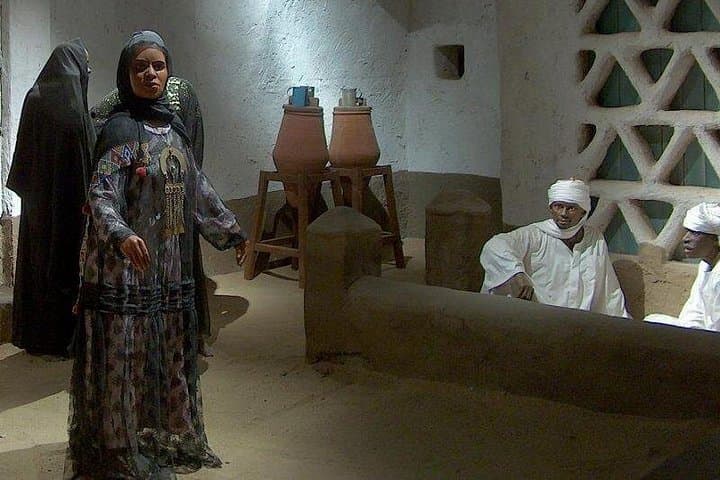
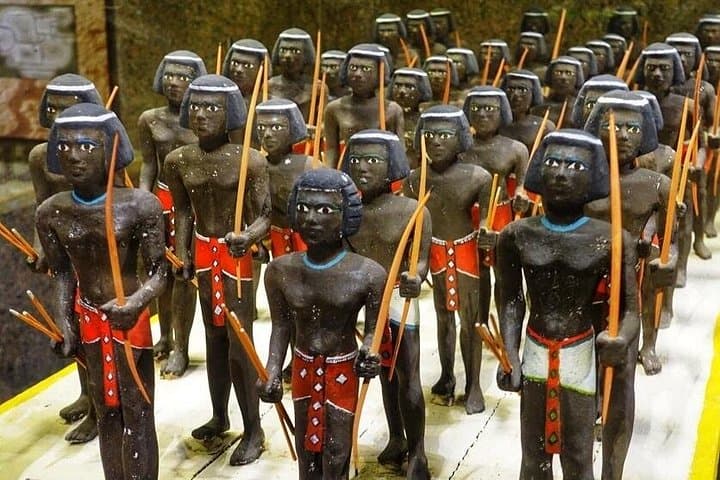
Inside, rooms move you through Nubia’s long arc: prehistoric tools, pharaonic-era stelae, and colorful folk pieces that map communities displaced by the High Dam. The museum’s layout and bilingual labels make the sequence intuitive—the river’s influence on culture is obvious in both artifacts and the diorama lakes that model the Nile’s seasonal pulse.
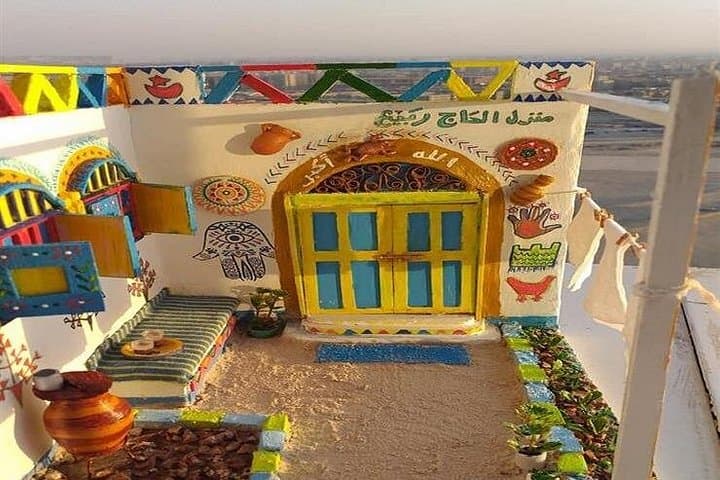
Geology and history meet here: sandstone and granite from the surrounding cataract region built ancient temples, and trade along the Nile shaped Nubian identities that predate modern borders. Local Nubian houses nearby still practice traditional crafts and music; a short lunch stop in a village offers homemade falafel, molokhia, and the chance to hear Nubian dialect and songs.
Practically, this private three-hour tour is compact: a guided museum walk, time in the garden, and a village lunch option before the return drive to Aswan. Wear sun protection and comfortable shoes—the museum grounds include stepped paths and small lawns. Hydrate before you set out; Aswan’s sun can be insistent.
Bring a camera, a respectful curiosity for cultural heritage, and some local cash for lunch or small purchases. The experience is best timed for morning light or late afternoon warmth—both make the sandstone glow and the Nile dare you to slow down and look more closely.
easy.
3 hours.
Minimal fitness required; participants should be able to walk short distances and navigate steps.
Admission is not explicitly listed among inclusions—confirm with the operator when booking so you know whether to bring extra cash for entrance fees.
Lunch at a local Nubian house is offered as an option but is at your own expense; the guide can recommend dishes and where to sit.
Yes—roundtrip transportation from hotels or the airport in Aswan by minibus is included, and the guide will coordinate pickup details.
The activity is marked wheelchair accessible with accessible transport and surfaces, but notify the operator of specific requirements before departure so they can prepare assistance or ramps.
The Nubian Museum, opened in the late 20th century, was created to preserve artifacts and narratives of Nubia from prehistoric times through pharaonic and modern eras, especially after population moves caused by the Aswan High Dam.
The museum plays a key role in documenting Nubian culture and encourages responsible tourism; visitors should avoid touching artifacts and support local guides and craftspeople to benefit the community.
Cupid EgypTravel operates guided outdoor trips and adventures with an emphasis on safety, stewardship, and memorable experiences.
You step from the minibus into a warm breeze carrying the Nile’s slow breath; the Nubian Museum sits on a low rise with terraces that frame the river and a garden of stone figures that seem to watch boats drift by.
You step from the minibus into a warm breeze carrying the Nile’s slow breath; the Nubian Museum sits on a low rise with terraces that frame the river and a garden of stone figures that seem to watch boats drift by.
Inside, rooms move you through Nubia’s long arc: prehistoric tools, pharaonic-era stelae, and colorful folk pieces that map communities displaced by the High Dam. The museum’s layout and bilingual labels make the sequence intuitive—the river’s influence on culture is obvious in both artifacts and the diorama lakes that model the Nile’s seasonal pulse.
Geology and history meet here: sandstone and granite from the surrounding cataract region built ancient temples, and trade along the Nile shaped Nubian identities that predate modern borders. Local Nubian houses nearby still practice traditional crafts and music; a short lunch stop in a village offers homemade falafel, molokhia, and the chance to hear Nubian dialect and songs.
Practically, this private three-hour tour is compact: a guided museum walk, time in the garden, and a village lunch option before the return drive to Aswan. Wear sun protection and comfortable shoes—the museum grounds include stepped paths and small lawns. Hydrate before you set out; Aswan’s sun can be insistent.
Bring a camera, a respectful curiosity for cultural heritage, and some local cash for lunch or small purchases. The experience is best timed for morning light or late afternoon warmth—both make the sandstone glow and the Nile dare you to slow down and look more closely.