THE ADVENTURE COLLECTIVE® · Independent discovery and booking for outdoor travel

Travel from Accra to visit Assin Manso’s Slave River, Cape Coast Castle, and Elmina Castle on a full-day private tour that combines coastal history, moving memorials, and guided interpretation of Ghana’s central forts.
Travel from Accra to visit Assin Manso’s Slave River, Cape Coast Castle, and Elmina Castle on a full-day private tour that combines coastal history, moving memorials, and guided interpretation of Ghana’s central forts.
Morning light splits over the Atlantic as your vehicle leaves Accra and the road opens to Ghana’s Central Region — a landscape of red earth, palms, and the occasional market spilling onto the shoulder. At Assin Manso, the Slave River (Donkor Nsuo) holds a quiet that feels like a question; the water seems to dare you to remember. Stone markers and a simple memorial recall the last bath taken by those bound for the coast.
Verified experiences and guided adventures in the surrounding area.
Operated by Culture Seekers Africa · Cape Coast, Central Region
Morning light splits over the Atlantic as your vehicle leaves Accra and the road opens to Ghana’s Central Region — a landscape of red earth, palms, and the occasional market spilling onto the shoulder. At Assin Manso, the Slave River (Donkor Nsuo) holds a quiet that feels like a question; the water seems to dare you to remember. Stone markers and a simple memorial recall the last bath taken by those bound for the coast.
This route threads together powerful sites: Assin Manso’s reburial grounds and river, Cape Coast Castle’s museum and cramped dungeons used by Europeans as holding pens and administrative hubs, and Elmina Castle — the oldest European trading post on the Gulf of Guinea, built in 1482. The geology here is coastal plain: lateritic soils, ancient beach ridges, and a shoreline scarred by fortifications that shifted imperial control over centuries. Local culture remains vivid — Ga, Fante, Akan traditions and annual Emancipation commemorations are tied to these places.
Expect guided, interpretive tours of rooms and cells, conversations about the legacies of the transatlantic slave trade, and the occasional steep staircase into the belly of a fort. Wear breathable shoes, prepare for heat and humidity, and allow a full day for travel between sites. Bring water, a respectful mindset, and time to sit in silence; these places demand both learning and reflection. The tour is a deep historical encounter more than a scenic outing, balanced with practical logistics such as vehicle transfers and admissions.
easy.
10–11 hours.
Light to moderate mobility required — mostly walking and standing with some stair climbs; not suitable for those with spinal issues or pregnancy.
The tour is about 10–11 hours (630 minutes) and typically includes transport from Accra, bottled water, admissions at specified castles, and a private guide.
It’s generally suitable for most fitness levels but involves walking, standing, and climbing stairs; it’s not recommended for pregnant travelers or those with spinal injuries.
Yes — this private day tour commonly includes Cape Coast Castle and Elmina Castle along with Assin Manso, though time at each site is limited by travel between them.
Standard policy allows a full refund if you cancel at least 24 hours before departure; within 24 hours bookings are non-refundable.
Cape Coast and Elmina were central hubs in the transatlantic slave trade and later British colonial administration; Elmina dates to 1482 as the earliest European fort on the Gulf of Guinea.
Coastal erosion and unregulated visitor impacts can stress shoreline sites; stick to marked paths and local guidelines to reduce wear on historic structures.
Culture Seekers Africa operates guided outdoor trips and adventures with an emphasis on safety, stewardship, and memorable experiences.
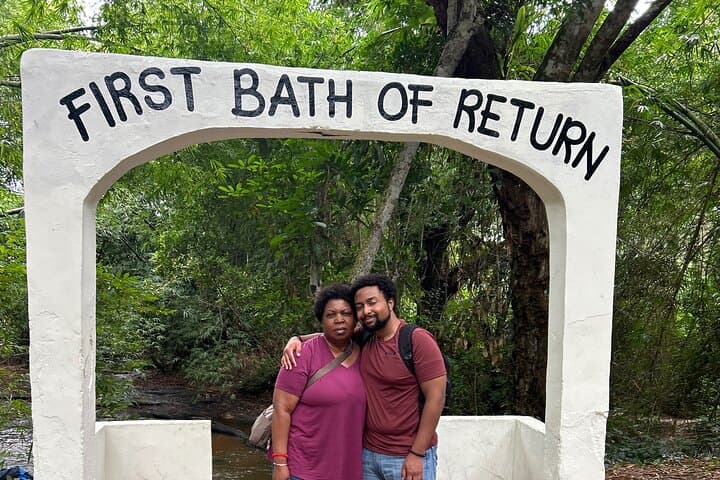
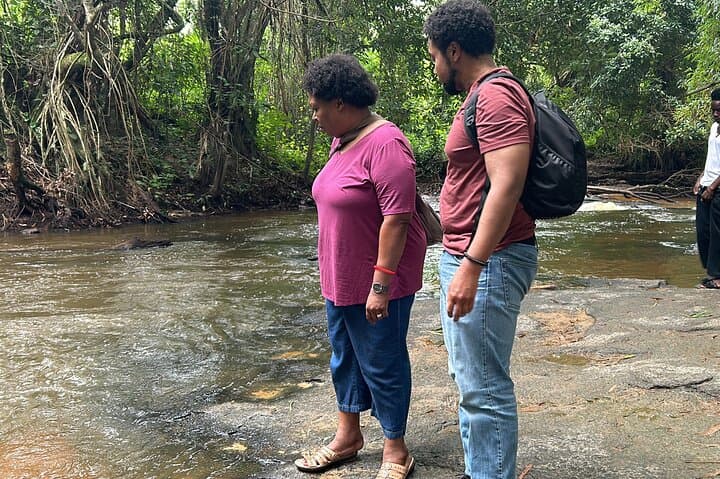

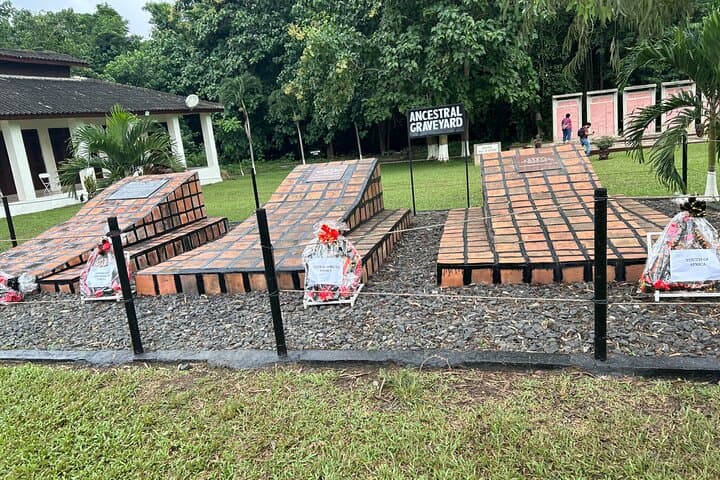
Morning light splits over the Atlantic as your vehicle leaves Accra and the road opens to Ghana’s Central Region — a landscape of red earth, palms, and the occasional market spilling onto the shoulder. At Assin Manso, the Slave River (Donkor Nsuo) holds a quiet that feels like a question; the water seems to dare you to remember. Stone markers and a simple memorial recall the last bath taken by those bound for the coast.
Morning light splits over the Atlantic as your vehicle leaves Accra and the road opens to Ghana’s Central Region — a landscape of red earth, palms, and the occasional market spilling onto the shoulder. At Assin Manso, the Slave River (Donkor Nsuo) holds a quiet that feels like a question; the water seems to dare you to remember. Stone markers and a simple memorial recall the last bath taken by those bound for the coast.
This route threads together powerful sites: Assin Manso’s reburial grounds and river, Cape Coast Castle’s museum and cramped dungeons used by Europeans as holding pens and administrative hubs, and Elmina Castle — the oldest European trading post on the Gulf of Guinea, built in 1482. The geology here is coastal plain: lateritic soils, ancient beach ridges, and a shoreline scarred by fortifications that shifted imperial control over centuries. Local culture remains vivid — Ga, Fante, Akan traditions and annual Emancipation commemorations are tied to these places.
Expect guided, interpretive tours of rooms and cells, conversations about the legacies of the transatlantic slave trade, and the occasional steep staircase into the belly of a fort. Wear breathable shoes, prepare for heat and humidity, and allow a full day for travel between sites. Bring water, a respectful mindset, and time to sit in silence; these places demand both learning and reflection. The tour is a deep historical encounter more than a scenic outing, balanced with practical logistics such as vehicle transfers and admissions.