THE ADVENTURE COLLECTIVE® · Independent discovery and booking for outdoor travel

Drive north from Beirut into steep limestone gorges to visit ancient monasteries, the birthplace of Khalil Gibran and the last stands of Lebanon’s iconic cedars. This private 8‑hour tour balances short walks and scenic stops with local history and rugged mountain geology.
Drive north from Beirut into steep limestone gorges to visit ancient monasteries, the birthplace of Khalil Gibran and the last stands of Lebanon’s iconic cedars. This private 8‑hour tour balances short walks and scenic stops with local history and rugged mountain geology.
You step out of an air‑conditioned car onto a high, wind‑brushed plateau; the air tastes sharp, cedar resin and pine. Far below, the Qadisha gorge cuts like a living scar into limestone, its terraces and caves holding a thousand years of monastic life. This private day trip threads narrow mountain roads to Bcharre, the Cedars of God and the carved cliffside hermitages of the Qadisha Valley.
Verified experiences and guided adventures in the surrounding area.
Operated by Lebanon Daily Tours · Bcharre, North Governorate
You step out of an air‑conditioned car onto a high, wind‑brushed plateau; the air tastes sharp, cedar resin and pine. Far below, the Qadisha gorge cuts like a living scar into limestone, its terraces and caves holding a thousand years of monastic life. This private day trip threads narrow mountain roads to Bcharre, the Cedars of God and the carved cliffside hermitages of the Qadisha Valley.
Qadisha (the Holy Valley) was one of Christianity’s earliest monastic centers—hermits and monasteries dug cells into cliffs as early as the 4th century. Geologically the valley is a karst landscape: steep limestone walls, sinkholes and a network of springs that fed terraced orchards. Bcharre is a compact mountain town known for its 37 churches, the Gibran Museum (birthplace of Khalil Gibran) and access to Lebanon’s historic Cedars forest and ski area.
On this private tour expect short walks to viewpoints and monastery courtyards rather than multi‑hour hikes; vantage points reveal cedar fragments clutching high ridgelines and the hard, worked stone of ancient terraces. Monasteries and chapels carry centuries of icons and inscriptions—bring respect and modest dress.
Practical notes: the full itinerary runs about eight hours with hotel pickup in Beirut, mountain driving on narrow switchbacks and brief on‑foot sections at altitude (~1,400–1,900 m). Wear sturdy shoes, layers for wind and sun, carry water and small local currency for entrances or refreshments. Aim for morning departures to avoid afternoon traffic and changing mountain weather. This is a high‑value, low‑impact way to see Lebanon’s cultural and natural spine in a single, manageable day.
easy.
8 hours.
Suitable for travelers in ordinary physical condition—short, easy walks and steps at viewpoints; no sustained hiking required.
Most bookings include hotel pickup and drop‑off in Beirut—confirm your pickup location when you book.
Stops include short walks to viewpoints and monastery courtyards (10–30 minutes); long hikes are not part of the standard itinerary.
Check your booking details—some small entrance fees (e.g., Gibran Museum) or refreshments may be extra and payable on site.
The tour is advertised as suitable for all fitness levels, but some stops have steps and uneven ground; contact the operator in advance for accessibility needs.
Qadisha Valley has hosted Christian monastic communities since late antiquity; the Cedars of God preserve fragments of an ancient forest that supplied timber to Mediterranean civilizations and appears in Biblical accounts.
The Cedars are a protected remnant under ongoing conservation efforts; visitors are asked to stay on trails, avoid climbing trees and support local guides and businesses to reduce impact.
Lebanon Daily Tours operates guided outdoor trips and adventures with an emphasis on safety, stewardship, and memorable experiences.
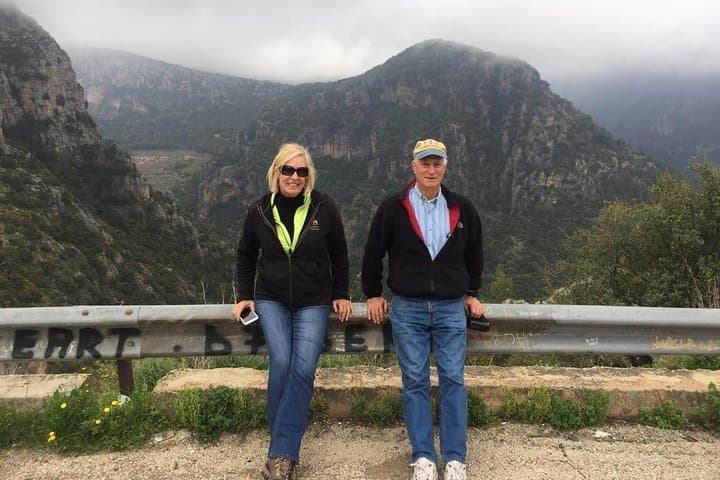
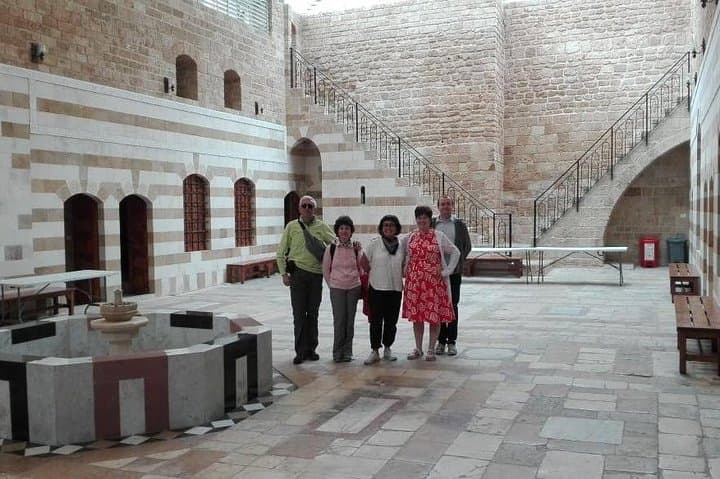
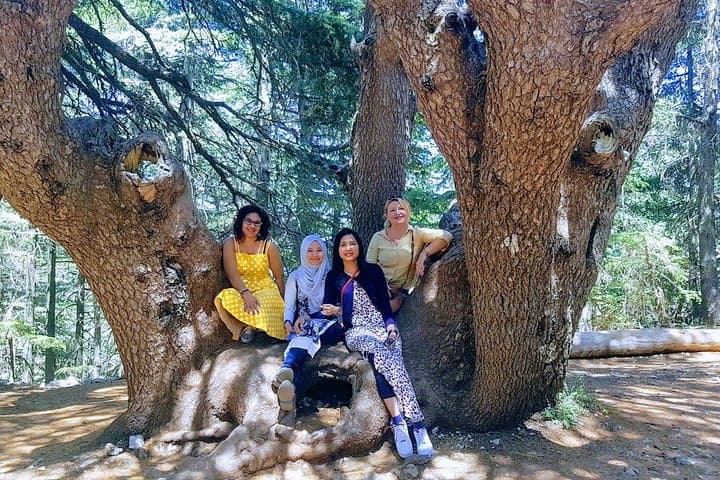
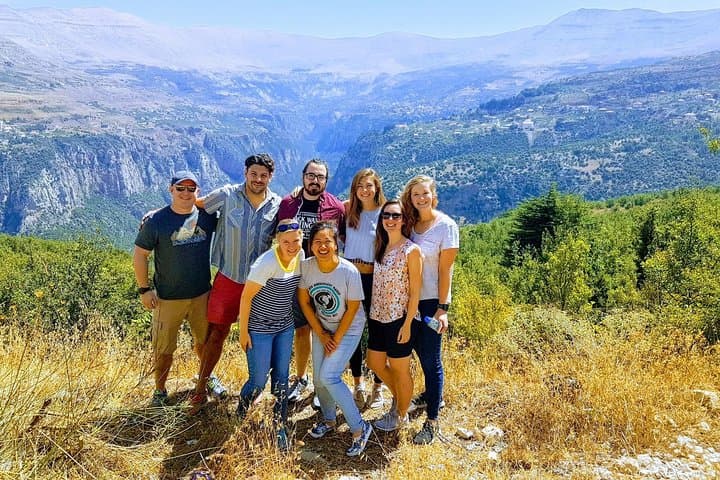
You step out of an air‑conditioned car onto a high, wind‑brushed plateau; the air tastes sharp, cedar resin and pine. Far below, the Qadisha gorge cuts like a living scar into limestone, its terraces and caves holding a thousand years of monastic life. This private day trip threads narrow mountain roads to Bcharre, the Cedars of God and the carved cliffside hermitages of the Qadisha Valley.
You step out of an air‑conditioned car onto a high, wind‑brushed plateau; the air tastes sharp, cedar resin and pine. Far below, the Qadisha gorge cuts like a living scar into limestone, its terraces and caves holding a thousand years of monastic life. This private day trip threads narrow mountain roads to Bcharre, the Cedars of God and the carved cliffside hermitages of the Qadisha Valley.
Qadisha (the Holy Valley) was one of Christianity’s earliest monastic centers—hermits and monasteries dug cells into cliffs as early as the 4th century. Geologically the valley is a karst landscape: steep limestone walls, sinkholes and a network of springs that fed terraced orchards. Bcharre is a compact mountain town known for its 37 churches, the Gibran Museum (birthplace of Khalil Gibran) and access to Lebanon’s historic Cedars forest and ski area.
On this private tour expect short walks to viewpoints and monastery courtyards rather than multi‑hour hikes; vantage points reveal cedar fragments clutching high ridgelines and the hard, worked stone of ancient terraces. Monasteries and chapels carry centuries of icons and inscriptions—bring respect and modest dress.
Practical notes: the full itinerary runs about eight hours with hotel pickup in Beirut, mountain driving on narrow switchbacks and brief on‑foot sections at altitude (~1,400–1,900 m). Wear sturdy shoes, layers for wind and sun, carry water and small local currency for entrances or refreshments. Aim for morning departures to avoid afternoon traffic and changing mountain weather. This is a high‑value, low‑impact way to see Lebanon’s cultural and natural spine in a single, manageable day.