THE ADVENTURE COLLECTIVE® · Independent discovery and booking for outdoor travel

Drive across high plateaus, wind-swept deserts of volcanic sand and up to the Pas de Bellecombe to stand before Piton de la Fournaise. This private, full-day tour mixes accessible short walks with dramatic viewpoints and a stop at the Cité du Volcan for geological context.
Drive across high plateaus, wind-swept deserts of volcanic sand and up to the Pas de Bellecombe to stand before Piton de la Fournaise. This private, full-day tour mixes accessible short walks with dramatic viewpoints and a stop at the Cité du Volcan for geological context.
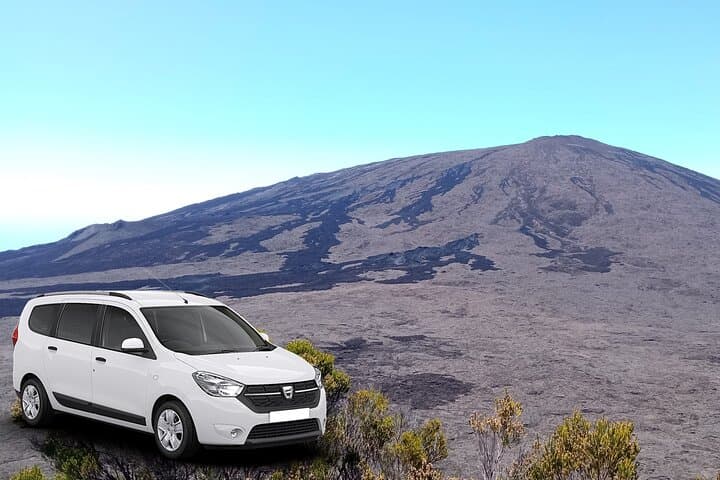
You arrive at Pas de Bellecombe with wind on your face and a caldera yawning before you—raw rock rimmed by a plain of black sand that seems to have been brushed clean by fire and time.
Verified experiences and guided adventures in the surrounding area.
Operated by 5A Transports Reunion · Bourg-Murat, Réunion
You arrive at Pas de Bellecombe with wind on your face and a caldera yawning before you—raw rock rimmed by a plain of black sand that seems to have been brushed clean by fire and time.
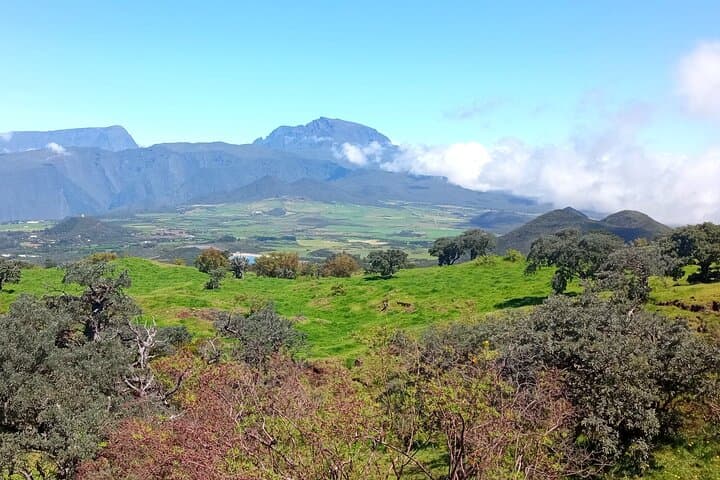
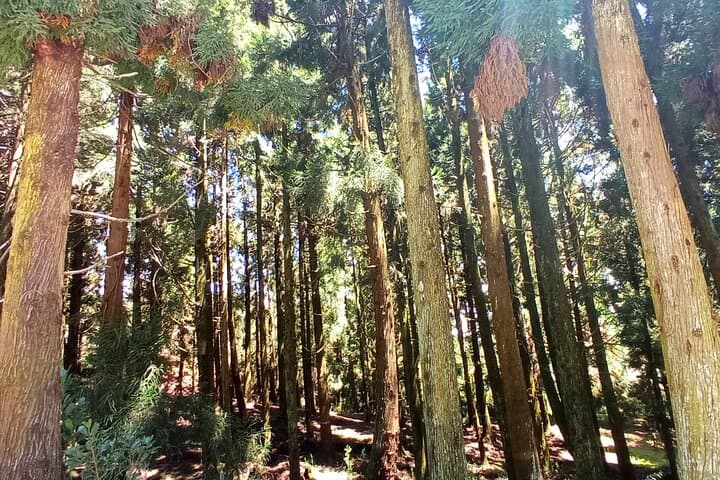
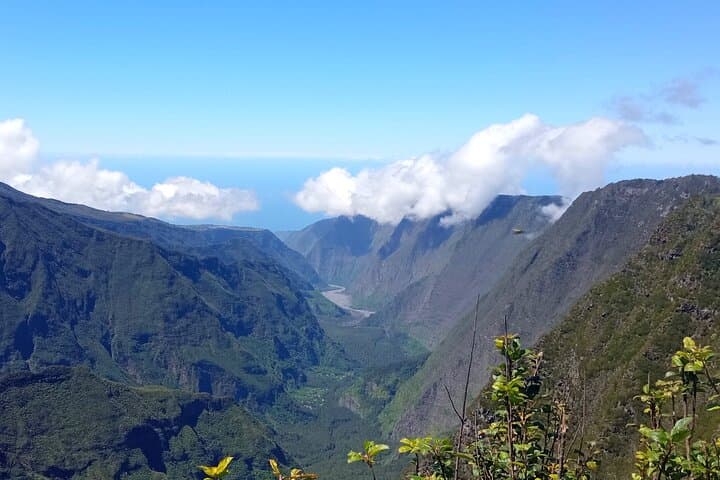
The route to Piton de la Fournaise threads through the Plaine des Cafres, where green pastures give way to the forest that clings to the volcano’s flanks. The Rivière des Remparts cuts a vertiginous gorge; its cliffs loom like pages ripped from the island’s volcanic story. The Plain of Sands unfolds next: a basaltic desert that holds footprints like fossilized notes. Commerson Crater and other ancient cones mark eruptions over millennia. At 2,632 m the main cone dominates the skyline—one of the world’s most active basaltic shield volcanoes, its frequent eruptions shaped by the island’s hotspot geology.
Culture is close at hand: Bourg-Murat offers Creole food and the Cité du Volcan museum, where locals and scientists interpret recent flows and the island’s formation. The driver-guide manages logistics, leaving you free to photograph, to stand on cooled lava and listen to wind press against the crater lip.
Practical guidance: plan a full day (7–8 hours), start early to avoid cloud build-up, and expect temperature swings—base layers and sun protection are both necessary. Much of the tour is by vehicle with short walks at overlooks; trails can be loose volcanic scree. Check official volcanic alerts and local road conditions before you go, carry water, and respect fenced closures—safety keeps this raw landscape open to visitors.
easy.
7–8 hours.
Suitable for travelers in normal health; short standing and easy walks required at viewpoints
The private tour runs about 7–8 hours total, with roughly 3–4 hours spent moving between viewpoints and stops.
Yes—transport is by air-conditioned vehicle and stops are short; however, participants should be able to walk short distances on uneven ground.
No—access depends on recent activity and safety closures; guides follow official restrictions and will not approach active flows.
Confirm pickup logistics, vehicle size for your group, and check the local volcanic alert level and weather conditions the day before departure.
Piton de la Fournaise formed from hotspot volcanism; repeated basaltic eruptions have resurfaced the southeast flank over thousands of years, shaping roads and settlement patterns.
The volcanic area is protected with restricted zones; stay on designated roads and trails, pack out waste, and support local museums that fund monitoring and education.
5A Transports Reunion operates guided outdoor trips and adventures with an emphasis on safety, stewardship, and memorable experiences.
You arrive at Pas de Bellecombe with wind on your face and a caldera yawning before you—raw rock rimmed by a plain of black sand that seems to have been brushed clean by fire and time.
You arrive at Pas de Bellecombe with wind on your face and a caldera yawning before you—raw rock rimmed by a plain of black sand that seems to have been brushed clean by fire and time.
The route to Piton de la Fournaise threads through the Plaine des Cafres, where green pastures give way to the forest that clings to the volcano’s flanks. The Rivière des Remparts cuts a vertiginous gorge; its cliffs loom like pages ripped from the island’s volcanic story. The Plain of Sands unfolds next: a basaltic desert that holds footprints like fossilized notes. Commerson Crater and other ancient cones mark eruptions over millennia. At 2,632 m the main cone dominates the skyline—one of the world’s most active basaltic shield volcanoes, its frequent eruptions shaped by the island’s hotspot geology.
Culture is close at hand: Bourg-Murat offers Creole food and the Cité du Volcan museum, where locals and scientists interpret recent flows and the island’s formation. The driver-guide manages logistics, leaving you free to photograph, to stand on cooled lava and listen to wind press against the crater lip.
Practical guidance: plan a full day (7–8 hours), start early to avoid cloud build-up, and expect temperature swings—base layers and sun protection are both necessary. Much of the tour is by vehicle with short walks at overlooks; trails can be loose volcanic scree. Check official volcanic alerts and local road conditions before you go, carry water, and respect fenced closures—safety keeps this raw landscape open to visitors.