THE ADVENTURE COLLECTIVE® · Independent discovery and booking for outdoor travel

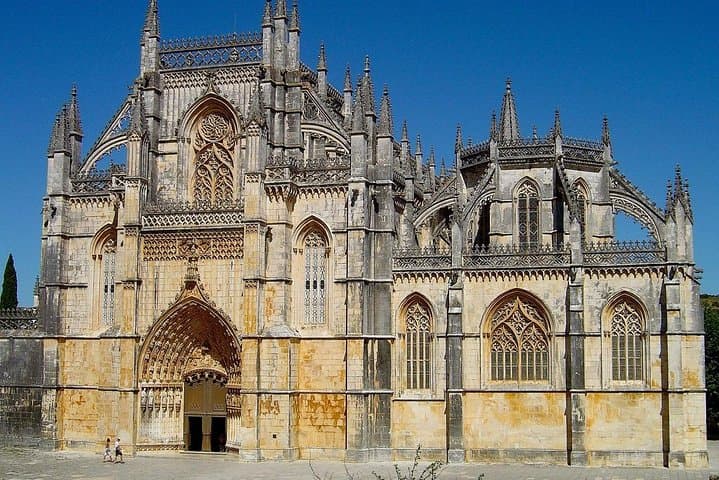
Spend a day exploring three UNESCO landmarks — the Templar stronghold of Tomar, the sacred square of Fátima, and the Gothic splendor of Batalha — on a private, full-day guided tour with door-to-door comfort.
Spend a day exploring three UNESCO landmarks — the Templar stronghold of Tomar, the sacred square of Fátima, and the Gothic splendor of Batalha — on a private, full-day guided tour with door-to-door comfort.
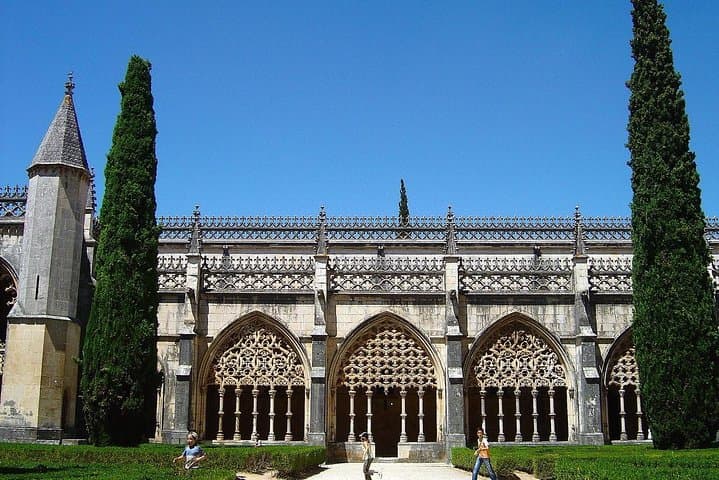
You step out of a comfortable executive vehicle onto cobbled stone warmed by a gentle Iberian sun. The Convent of Christ in Tomar looms above, its Manueline windows and Templar fortifications framing a skyline that reads like layered centuries. Later, the hush of Fátima’s pilgrimage square makes the air feel deliberate — a place built around memory and devotion — and Batalha’s lace-like Gothic pinnacles rise with the steady patience of carved stone.
Verified experiences and guided adventures in the surrounding area.
Operated by Endless Weekend Tours · Tomar, Santarém
You step out of a comfortable executive vehicle onto cobbled stone warmed by a gentle Iberian sun. The Convent of Christ in Tomar looms above, its Manueline windows and Templar fortifications framing a skyline that reads like layered centuries. Later, the hush of Fátima’s pilgrimage square makes the air feel deliberate — a place built around memory and devotion — and Batalha’s lace-like Gothic pinnacles rise with the steady patience of carved stone.
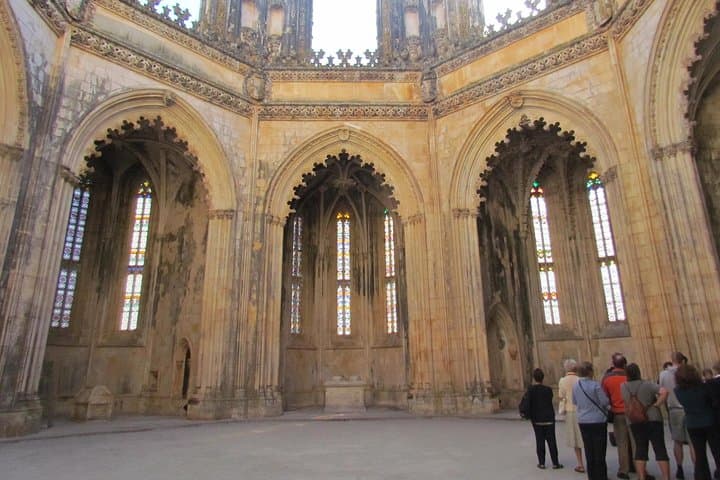
These three sites trace Portugal’s medieval pulse. Tomar anchors Templar history and military-religious architecture from the 12th century; Fátima is a 20th-century pilgrimage center born of Marian apparitions; Batalha commemorates the 1385 victory that shaped Portuguese independence and showcases late Gothic design and ornate stonework. Geologically the region sits on limestone and marly formations, producing sculpted chasms and fertile river valleys that supported monasteries and settlements.
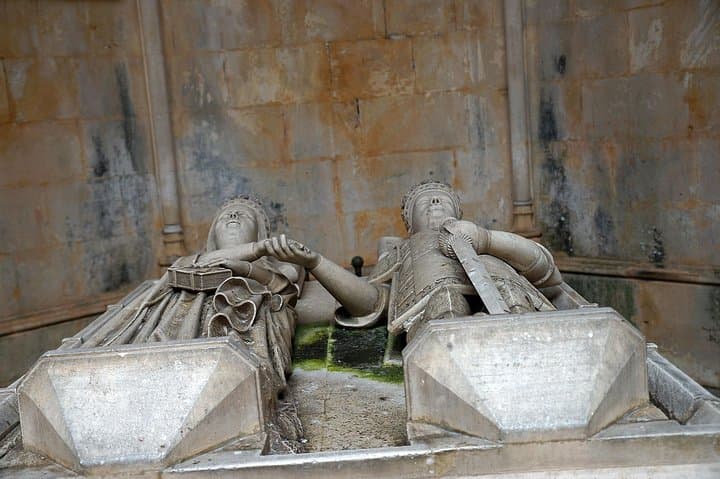
Culture here is tactile: incense and votive candles at shrines, local pastries in square cafés, and slow, conversational Portuguese in provincial streets. Guides will point out carved symbols, tomb inscriptions, and the technical details of Manueline stonework that hide maritime motifs.
Practical notes: expect an 8–10 hour private day with multiple short walks (mostly paved and stair sections), comfortable but sturdy footwear, and moments of standing during explained tours. Carry water, a light rain layer and respect quiet zones in basilicas. Plan early starts to avoid mid-day crowds at Fátima and to make the most of soft morning light for photography.
easy.
8–10 hours.
Suitable for people in average physical condition who can handle several short walks and stair climbs.
The private tour runs approximately 8–10 hours, covering multiple sites with guided stops and short walks at each location.
This tour description notes that admission is not included for some monuments; confirm with the operator which sites require tickets or reservations.
The tour is labeled accessible with wheelchair-friendly transport, but some medieval sites have stairs and uneven surfaces; contact the operator to tailor accessibility needs.
Yes—this is a private tour and guides commonly adapt timing or add requests (extra stops, meal breaks) if arranged in advance.
Tomar’s Convent of Christ was a Templar seat tied to Portugal’s maritime age, while Batalha was built after the 1385 battle that secured Portuguese independence; Fátima became an international pilgrimage site after apparitions in 1917.
These heritage sites manage visitor flows to protect fragile stonework and sanctified spaces—stick to marked paths, avoid candles outside designated areas, and follow guide instructions to reduce wear and crowding.
Endless Weekend Tours operates guided outdoor trips and adventures with an emphasis on safety, stewardship, and memorable experiences.
You step out of a comfortable executive vehicle onto cobbled stone warmed by a gentle Iberian sun. The Convent of Christ in Tomar looms above, its Manueline windows and Templar fortifications framing a skyline that reads like layered centuries. Later, the hush of Fátima’s pilgrimage square makes the air feel deliberate — a place built around memory and devotion — and Batalha’s lace-like Gothic pinnacles rise with the steady patience of carved stone.
You step out of a comfortable executive vehicle onto cobbled stone warmed by a gentle Iberian sun. The Convent of Christ in Tomar looms above, its Manueline windows and Templar fortifications framing a skyline that reads like layered centuries. Later, the hush of Fátima’s pilgrimage square makes the air feel deliberate — a place built around memory and devotion — and Batalha’s lace-like Gothic pinnacles rise with the steady patience of carved stone.
These three sites trace Portugal’s medieval pulse. Tomar anchors Templar history and military-religious architecture from the 12th century; Fátima is a 20th-century pilgrimage center born of Marian apparitions; Batalha commemorates the 1385 victory that shaped Portuguese independence and showcases late Gothic design and ornate stonework. Geologically the region sits on limestone and marly formations, producing sculpted chasms and fertile river valleys that supported monasteries and settlements.
Culture here is tactile: incense and votive candles at shrines, local pastries in square cafés, and slow, conversational Portuguese in provincial streets. Guides will point out carved symbols, tomb inscriptions, and the technical details of Manueline stonework that hide maritime motifs.
Practical notes: expect an 8–10 hour private day with multiple short walks (mostly paved and stair sections), comfortable but sturdy footwear, and moments of standing during explained tours. Carry water, a light rain layer and respect quiet zones in basilicas. Plan early starts to avoid mid-day crowds at Fátima and to make the most of soft morning light for photography.