THE ADVENTURE COLLECTIVE® · Independent discovery and booking for outdoor travel

Drive through Savannah’s 22 historic squares, Victorian homes, and the riverside Bonaventure Cemetery with a private guide. This three-hour tour blends architecture, local history, and quiet cemetery walks for a compact introduction to the city.
Drive through Savannah’s 22 historic squares, Victorian homes, and the riverside Bonaventure Cemetery with a private guide. This three-hour tour blends architecture, local history, and quiet cemetery walks for a compact introduction to the city.
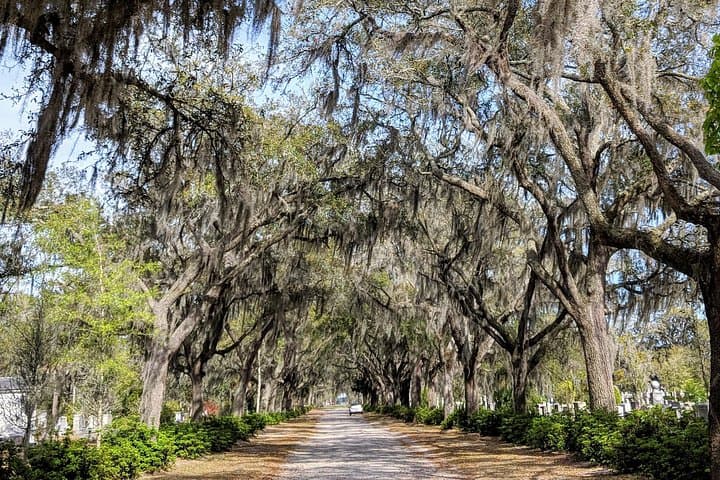
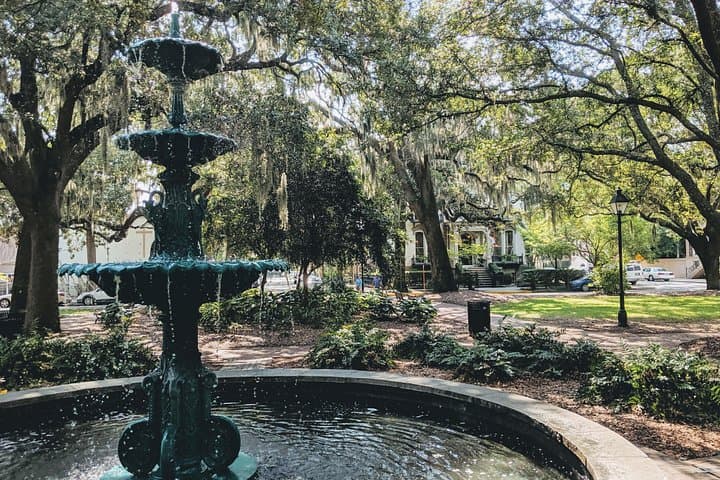
A warm Atlantic breeze moves Spanish moss across a low sky as the private vehicle eases onto a street of ironwork gates and wide porches. The guide points out a sequence of 22 public squares; live oaks lean over cobblestone alleys, their branches daring you to slow down and look. For three hours a driver does the navigation while the city unfolds: painted ladies of the Victorian District, stoic churches, and the riverside hush of Bonaventure Cemetery.
Verified experiences and guided adventures in the surrounding area.
Operated by DTours · Savannah, Georgia
A warm Atlantic breeze moves Spanish moss across a low sky as the private vehicle eases onto a street of ironwork gates and wide porches. The guide points out a sequence of 22 public squares; live oaks lean over cobblestone alleys, their branches daring you to slow down and look. For three hours a driver does the navigation while the city unfolds: painted ladies of the Victorian District, stoic churches, and the riverside hush of Bonaventure Cemetery.
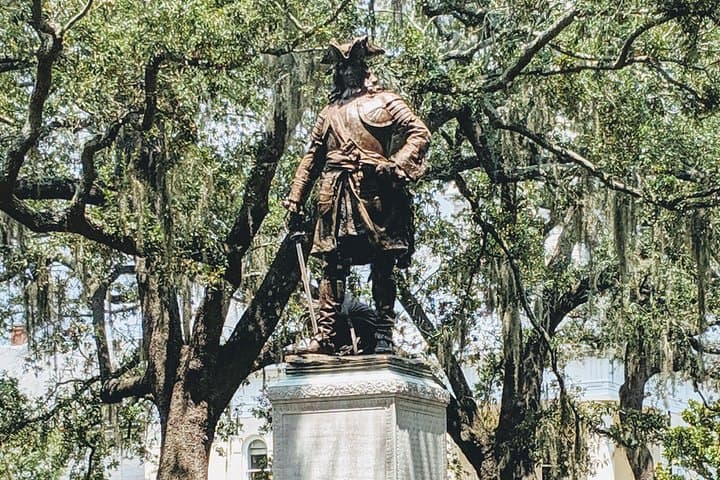
Savannah’s plan dates to James Oglethorpe’s 1733 grid, a colonial civic idea that still shapes how people move through the city. Geologically the area sits on the coastal plain—tidal creeks and marshes that gave rise to the plantations and the city’s nautical economy. Culturally the streets are layered: Gullah-Geechee influences, antebellum architecture, and Savannah’s 20th-century preservation movement that saved these neighborhoods from demolition.
Expect a mix of short on-foot stops and longer drives. Bonaventure sits on a former plantation site and is best experienced on a quiet walk among monumental stones and riverside oaks; photography and respectful pacing matter. Practical guidance: bring closed-toe shoes for uneven cemetery paths, a sun hat and sunscreen for open squares, and a light rain layer if the forecast threatens. Morning tours avoid midday heat and provide softer light for photos. The tour suits travelers who want history, architectural detail, and a calm encounter with one of the South’s most photographed cemeteries.
easy.
3 hours.
Suitable for most fitness levels; requires short, gentle walks and getting in/out of a vehicle.
The tour is approximately 3 hours with private transportation, a guide, and bottled water; admission fees for private homes or museums are not included.
Yes — confirm your desired pickup location prior to the tour when booking; most central Savannah addresses are feasible.
Much of the cemetery has uneven ground; areas near the main entrance and roads are more accessible, but some sections require walking on grass and dirt paths.
Photography for personal use is allowed; be respectful of mourners and avoid disrupting funerals or ceremonies.
Savannah was founded in 1733 and planned around public squares; Bonaventure Cemetery occupies land once part of a plantation and became widely known after "Midnight in the Garden of Good and Evil."
The city enforces historic-district rules and cemetery protections to preserve old-growth live oaks and stonework—stay on paths and follow signage to minimize impact.
DTours operates guided outdoor trips and adventures with an emphasis on safety, stewardship, and memorable experiences.
A warm Atlantic breeze moves Spanish moss across a low sky as the private vehicle eases onto a street of ironwork gates and wide porches. The guide points out a sequence of 22 public squares; live oaks lean over cobblestone alleys, their branches daring you to slow down and look. For three hours a driver does the navigation while the city unfolds: painted ladies of the Victorian District, stoic churches, and the riverside hush of Bonaventure Cemetery.
A warm Atlantic breeze moves Spanish moss across a low sky as the private vehicle eases onto a street of ironwork gates and wide porches. The guide points out a sequence of 22 public squares; live oaks lean over cobblestone alleys, their branches daring you to slow down and look. For three hours a driver does the navigation while the city unfolds: painted ladies of the Victorian District, stoic churches, and the riverside hush of Bonaventure Cemetery.
Savannah’s plan dates to James Oglethorpe’s 1733 grid, a colonial civic idea that still shapes how people move through the city. Geologically the area sits on the coastal plain—tidal creeks and marshes that gave rise to the plantations and the city’s nautical economy. Culturally the streets are layered: Gullah-Geechee influences, antebellum architecture, and Savannah’s 20th-century preservation movement that saved these neighborhoods from demolition.
Expect a mix of short on-foot stops and longer drives. Bonaventure sits on a former plantation site and is best experienced on a quiet walk among monumental stones and riverside oaks; photography and respectful pacing matter. Practical guidance: bring closed-toe shoes for uneven cemetery paths, a sun hat and sunscreen for open squares, and a light rain layer if the forecast threatens. Morning tours avoid midday heat and provide softer light for photos. The tour suits travelers who want history, architectural detail, and a calm encounter with one of the South’s most photographed cemeteries.