THE ADVENTURE COLLECTIVE® · Independent discovery and booking for outdoor travel

Wander three hours through the world’s largest flea market with a private guide, from Marché Malassis to Paul Bert Serpette. Learn where to find antiques, how to haggle, and which stalls ship large purchases.
Wander three hours through the world’s largest flea market with a private guide, from Marché Malassis to Paul Bert Serpette. Learn where to find antiques, how to haggle, and which stalls ship large purchases.
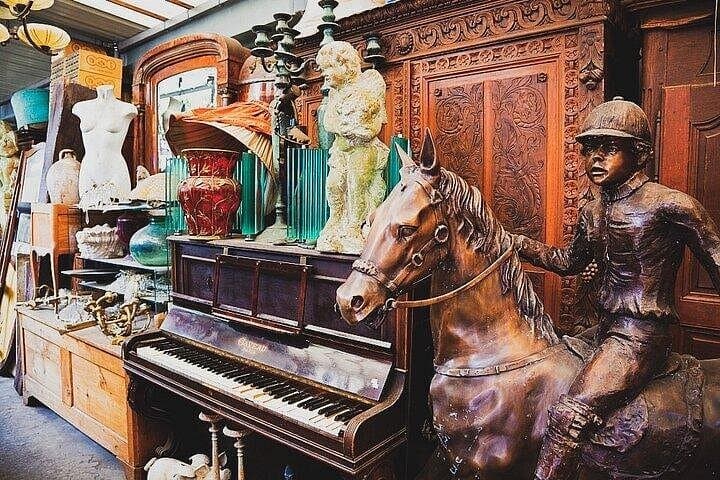
The morning light pours into narrow lanes of corrugated awnings and mismatched signs as you step off the Porte de Clignancourt metro. Voices haggle in French and English; wooden crates creak like old trunks opening to reveal stacked prints, lamps, and time-polished hardware. A private guide steers you through Marché Malassis, Biron, Paul Bert Serpette and the quieter alleys, pausing at a dealer who lifts a gilt frame to show a faded etching.
Verified experiences and guided adventures in the surrounding area.
Operated by Friendly Local Guides · Saint-Ouen, Île-de-France
The morning light pours into narrow lanes of corrugated awnings and mismatched signs as you step off the Porte de Clignancourt metro. Voices haggle in French and English; wooden crates creak like old trunks opening to reveal stacked prints, lamps, and time-polished hardware. A private guide steers you through Marché Malassis, Biron, Paul Bert Serpette and the quieter alleys, pausing at a dealer who lifts a gilt frame to show a faded etching.
Les Puces de Saint‑Ouen dates to the late 19th century, when rag-and-bone traders gathered on the city’s edge. The market’s layout reflects layers of Parisian history—post‑Haussmann streets feeding into improvised rows of stalls, a patchwork of workshops and cabaret cafés. Architecturally it’s a collage: iron arcades, brick courtyards, and reclaimed timber booths that echo the city’s trade in reuse and reinvention.
Culturally, the market is both pragmatic and theatrical: dealers present objects with stories, and bargaining is part performance. Local insight: visit early for best furniture finds, mid‑day for textiles and costume jewelry, and pause at Chez Louisette for a restorative espresso or champagne and live music.
Practical guidance: wear comfortable shoes—the tour covers uneven cobbles and long aisles. Carry small bills for quick purchases and plan shipping ahead for bulky pieces; most dealers will arrange crating. A three‑hour private tour lets you sample top markets without feeling rushed, with time to inspect provenance and compare prices. Stay aware of opening hours—some sections close Mondays and Tuesdays—and keep valuables secured while you hunt for a true Parisian find.
easy.
3 hours.
Light walking ability; comfortable standing and navigating short flights of stairs and cobblestones.
Most tours meet at Porte de Clignancourt metro station; confirmations often specify a hotel lobby pickup if requested.
Many established dealers arrange crating and international shipping—ask your guide for contacts and a shipping estimate before purchase.
Yes; friendly negotiation is normal. Start lower than your top price, be polite, and let the dealer suggest a final figure.
Accessibility varies—some covered arcades are level, but many alleys have cobbles and steps; notify your operator of mobility needs when booking.
The market grew from late‑19th‑century rag‑and‑bone trades and formalized into organized markets by the early 20th century, creating today’s fourteen distinct sections.
Les Puces promotes reuse by circulating second‑hand goods; buyers can support sustainability by verifying restoration practices and preferring local shipping solutions.
Friendly Local Guides operates guided outdoor trips and adventures with an emphasis on safety, stewardship, and memorable experiences.
The morning light pours into narrow lanes of corrugated awnings and mismatched signs as you step off the Porte de Clignancourt metro. Voices haggle in French and English; wooden crates creak like old trunks opening to reveal stacked prints, lamps, and time-polished hardware. A private guide steers you through Marché Malassis, Biron, Paul Bert Serpette and the quieter alleys, pausing at a dealer who lifts a gilt frame to show a faded etching.
The morning light pours into narrow lanes of corrugated awnings and mismatched signs as you step off the Porte de Clignancourt metro. Voices haggle in French and English; wooden crates creak like old trunks opening to reveal stacked prints, lamps, and time-polished hardware. A private guide steers you through Marché Malassis, Biron, Paul Bert Serpette and the quieter alleys, pausing at a dealer who lifts a gilt frame to show a faded etching.
Les Puces de Saint‑Ouen dates to the late 19th century, when rag-and-bone traders gathered on the city’s edge. The market’s layout reflects layers of Parisian history—post‑Haussmann streets feeding into improvised rows of stalls, a patchwork of workshops and cabaret cafés. Architecturally it’s a collage: iron arcades, brick courtyards, and reclaimed timber booths that echo the city’s trade in reuse and reinvention.
Culturally, the market is both pragmatic and theatrical: dealers present objects with stories, and bargaining is part performance. Local insight: visit early for best furniture finds, mid‑day for textiles and costume jewelry, and pause at Chez Louisette for a restorative espresso or champagne and live music.
Practical guidance: wear comfortable shoes—the tour covers uneven cobbles and long aisles. Carry small bills for quick purchases and plan shipping ahead for bulky pieces; most dealers will arrange crating. A three‑hour private tour lets you sample top markets without feeling rushed, with time to inspect provenance and compare prices. Stay aware of opening hours—some sections close Mondays and Tuesdays—and keep valuables secured while you hunt for a true Parisian find.