THE ADVENTURE COLLECTIVE® · Independent discovery and booking for outdoor travel

Skip a long bus ride and pack a full day of flightseeing, sandboarding and pisco tasting into one private tour from Lima. See the Nazca Lines from the air, tear down Huacachina’s dunes, and finish with vineyard flavors from Ica’s valley.
Skip a long bus ride and pack a full day of flightseeing, sandboarding and pisco tasting into one private tour from Lima. See the Nazca Lines from the air, tear down Huacachina’s dunes, and finish with vineyard flavors from Ica’s valley.
You leave Lima before the sun crowds the highway, the coast shrinking behind as the bus pushes toward the ochre dunes of Ica. By midmorning the aerodrome hums with small planes; within minutes you’re looking down on giant figures cut into desert crust—hummingbird wings, a spider’s legs—geoglyphs that demand a slow, aerial gaze.
Verified experiences and guided adventures in the surrounding area.
Operated by CHASKY XPEDITION · Ica, Ica
You leave Lima before the sun crowds the highway, the coast shrinking behind as the bus pushes toward the ochre dunes of Ica. By midmorning the aerodrome hums with small planes; within minutes you’re looking down on giant figures cut into desert crust—hummingbird wings, a spider’s legs—geoglyphs that demand a slow, aerial gaze.
The Nazca Lines date to roughly 200–600 AD and remain an archaeological puzzle: ceremonial pathways, astronomical markers or water-invoking designs have all been proposed. The desert here is ancient alluvium and blown silt; its longevity depends on low rainfall and careful stewardship, which is why overflights follow strict corridors.
Back on land, Huacachina is sudden: a green spill of palms and a pear-shaped lagoon surrounded by high sand ridges. Dune buggies tackle steep faces while boarders slide down wind-polished slopes—adrenaline lightened by the nearby vineyards where pisco grapes grow in sandy soils. A tasting of pisco and local wines after lunch gives context to the agricultural history that turned this coastal desert into a productive valley.
Practicalities: expect a long day—roughly 12–14 hours including travel—and light physical activity (boarding and short climbs on dunes). Morning flights have the calmest air and best visibility; bring sun protection, motion-sickness remedies for the overflight, and a camera with a mid-range zoom. Respect signs at archaeological sites and follow guides’ instructions during buggy runs; these keep both you and fragile landscapes safe.
moderate.
12–14 hours.
Light to moderate fitness—able to handle short dune climbs, boarding, and a full-day itinerary.
Expect roughly 12–14 hours door-to-door: about 3 hours each way driving from Lima to Ica, plus flight time and activities.
Small aircrafts often have weight distribution and safety limits; participants should provide weight during booking and check age or health restrictions with the operator.
No—guides provide basic instruction and gentler slopes for beginners; you can stand or lie down on the board depending on comfort.
Yes—tours include a visit to a local vineyard with a guided tasting and a typical Peruvian lunch as part of the itinerary.
The Nazca Lines were created between roughly 200–600 AD and remain an open question in archaeology; Ica’s valleys developed viticulture during colonial times, producing pisco.
Overflights and ground access are regulated to reduce erosion and protect geoglyphs—stay on marked paths and follow guide instructions to minimize impact.
CHASKY XPEDITION operates guided outdoor trips and adventures with an emphasis on safety, stewardship, and memorable experiences.


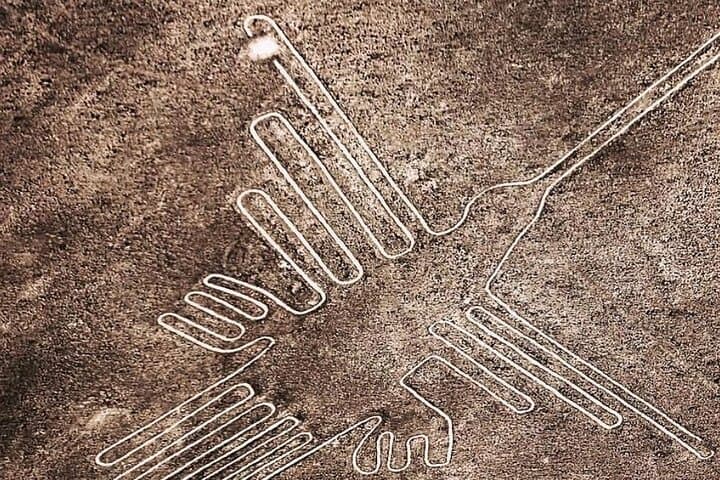
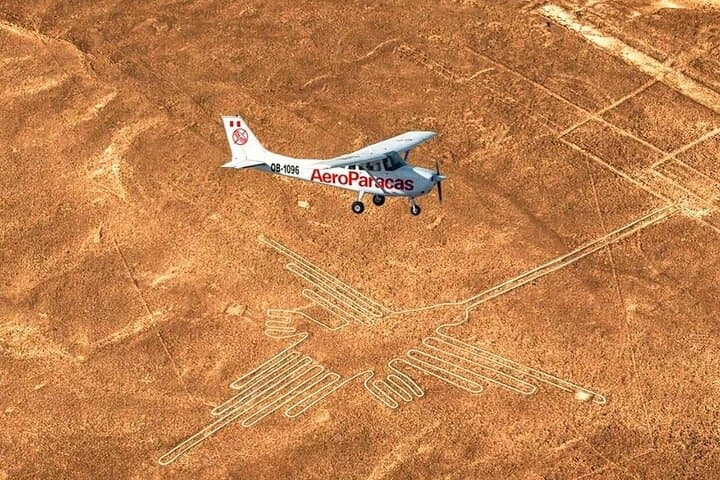
You leave Lima before the sun crowds the highway, the coast shrinking behind as the bus pushes toward the ochre dunes of Ica. By midmorning the aerodrome hums with small planes; within minutes you’re looking down on giant figures cut into desert crust—hummingbird wings, a spider’s legs—geoglyphs that demand a slow, aerial gaze.
You leave Lima before the sun crowds the highway, the coast shrinking behind as the bus pushes toward the ochre dunes of Ica. By midmorning the aerodrome hums with small planes; within minutes you’re looking down on giant figures cut into desert crust—hummingbird wings, a spider’s legs—geoglyphs that demand a slow, aerial gaze.
The Nazca Lines date to roughly 200–600 AD and remain an archaeological puzzle: ceremonial pathways, astronomical markers or water-invoking designs have all been proposed. The desert here is ancient alluvium and blown silt; its longevity depends on low rainfall and careful stewardship, which is why overflights follow strict corridors.
Back on land, Huacachina is sudden: a green spill of palms and a pear-shaped lagoon surrounded by high sand ridges. Dune buggies tackle steep faces while boarders slide down wind-polished slopes—adrenaline lightened by the nearby vineyards where pisco grapes grow in sandy soils. A tasting of pisco and local wines after lunch gives context to the agricultural history that turned this coastal desert into a productive valley.
Practicalities: expect a long day—roughly 12–14 hours including travel—and light physical activity (boarding and short climbs on dunes). Morning flights have the calmest air and best visibility; bring sun protection, motion-sickness remedies for the overflight, and a camera with a mid-range zoom. Respect signs at archaeological sites and follow guides’ instructions during buggy runs; these keep both you and fragile landscapes safe.