THE ADVENTURE COLLECTIVE® · Independent discovery and booking for outdoor travel

Spend a long day out of Tokyo visiting Mount Fuji viewpoints, the Hakone Ropeway and Shrine, and Yokohama’s waterfront and Chinatown. This private tour balances nature, history, and urban highlights with photo stops and short walks.
Spend a long day out of Tokyo visiting Mount Fuji viewpoints, the Hakone Ropeway and Shrine, and Yokohama’s waterfront and Chinatown. This private tour balances nature, history, and urban highlights with photo stops and short walks.
A pale dawn lifts off Tokyo’s skyline and by midmorning the tour’s van hums toward a different Japan: crater-scarred ridgelines, a mirror-still lake, and a volcanic valley that dares you to look closer. You arrive at viewing points where Mount Fuji’s cone dominates the horizon—3,776 meters of volcanic history—and at Lake Kawaguchi the water holds the mountain like a photograph waiting to be retaken.
Verified experiences and guided adventures in the surrounding area.
Operated by Peter Shumpei · Tokyo, Tokyo
A pale dawn lifts off Tokyo’s skyline and by midmorning the tour’s van hums toward a different Japan: crater-scarred ridgelines, a mirror-still lake, and a volcanic valley that dares you to look closer. You arrive at viewing points where Mount Fuji’s cone dominates the horizon—3,776 meters of volcanic history—and at Lake Kawaguchi the water holds the mountain like a photograph waiting to be retaken.
This route threads modern Yokohama’s 19th‑century port history into older layers: Hakone’s volcanic caldera, shaped by eruptions and hot springs, and Hakone Shrine, founded in 757 AD, guarding travelers with its torii on Lake Ashi. The Fujisan World Heritage Center explains Fuji’s cultural role in art and religion, while the Hakone Ropeway (about 4 km across the valley, with stops near 750 m elevation) places you above steaming vents at Owakudani and gives postcard views when visibility allows.
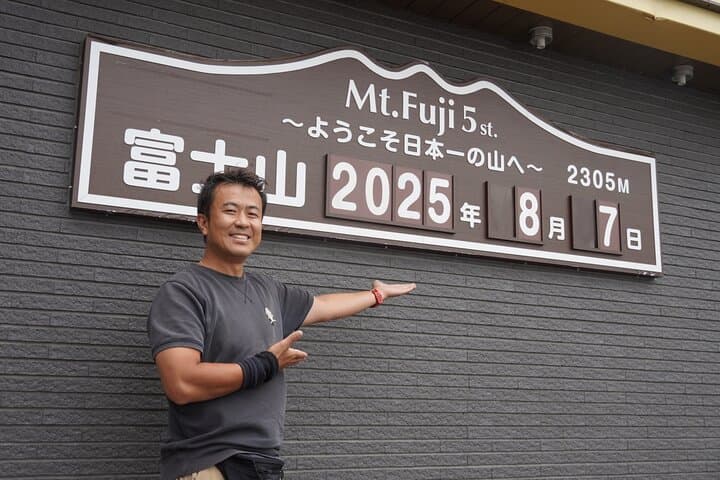
Expect short, photo‑friendly stops rather than long hikes: a 5th‑station viewpoint near 2,305 m (seasonal access varies), ropeway rides, shrine walks, and an afternoon loop through Yokohama’s Minato Mirai, Chinatown and the red brick warehouses that recall Japan’s opening to trade in 1859.
Practical guidance: start early from Tokyo, pack layers—the mountain can be 10–15°C colder than the coast—carry cash or an IC card for local vendors, and allow flexibility for Fuji’s visibility; clouds often obscure the summit. Wear comfortable shoes for short trails and stairs, bring water, and keep daylight windows in mind: this is a long, rewarding day that moves at a steady sightseeing pace.
easy.
9–10 hours.
Suitable for most travelers; involves short walks, standing at viewpoints, and getting on/off the ropeway or ferry.
Access to the 5th Station depends on time of year and road closures; typically possible in climbing season but often closed Oct–Apr—check with the guide on booking.
The itinerary lists wheelchair‑accessible transport and surfaces, though some viewpoints and shrine steps may have limited access—confirm specific needs when booking.
Visibility depends on weather—clear mornings and calm air give the best chance; afternoon clouds and haze often obscure the summit.
Most departures are from central Tokyo pickup points with return to the city the same day; confirm your pickup location and time when you book.
Mount Fuji is a UNESCO World Heritage cultural site for its role in Japanese art and religion; Yokohama grew rapidly after the port opened to foreign trade in 1859, shaping its waterfront architecture.
Fuji‑Hakone‑Izu National Park protections restrict off‑trail access and signage warns against approaching volatile areas like Owakudani; follow guides and dispose of waste properly.
Peter Shumpei operates guided outdoor trips and adventures with an emphasis on safety, stewardship, and memorable experiences.

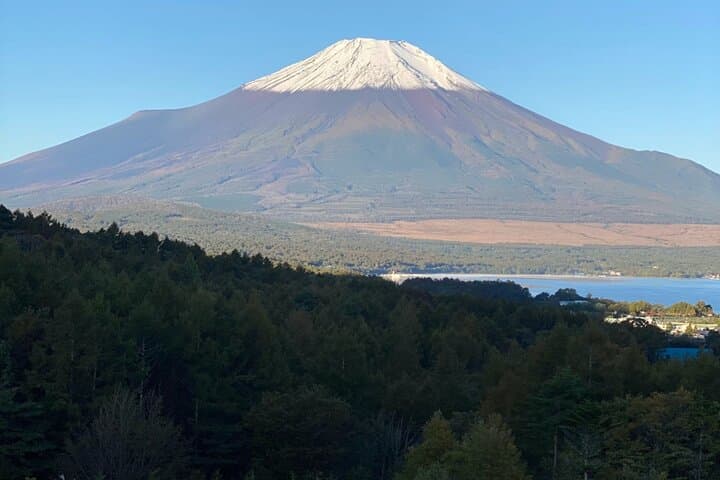
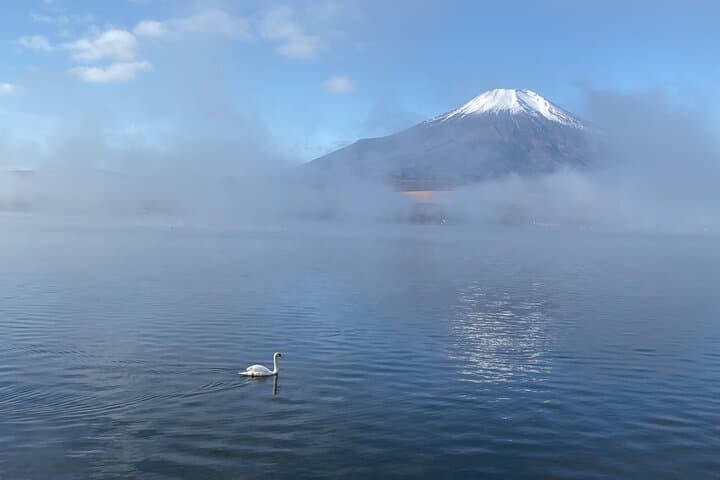
A pale dawn lifts off Tokyo’s skyline and by midmorning the tour’s van hums toward a different Japan: crater-scarred ridgelines, a mirror-still lake, and a volcanic valley that dares you to look closer. You arrive at viewing points where Mount Fuji’s cone dominates the horizon—3,776 meters of volcanic history—and at Lake Kawaguchi the water holds the mountain like a photograph waiting to be retaken.
A pale dawn lifts off Tokyo’s skyline and by midmorning the tour’s van hums toward a different Japan: crater-scarred ridgelines, a mirror-still lake, and a volcanic valley that dares you to look closer. You arrive at viewing points where Mount Fuji’s cone dominates the horizon—3,776 meters of volcanic history—and at Lake Kawaguchi the water holds the mountain like a photograph waiting to be retaken.
This route threads modern Yokohama’s 19th‑century port history into older layers: Hakone’s volcanic caldera, shaped by eruptions and hot springs, and Hakone Shrine, founded in 757 AD, guarding travelers with its torii on Lake Ashi. The Fujisan World Heritage Center explains Fuji’s cultural role in art and religion, while the Hakone Ropeway (about 4 km across the valley, with stops near 750 m elevation) places you above steaming vents at Owakudani and gives postcard views when visibility allows.
Expect short, photo‑friendly stops rather than long hikes: a 5th‑station viewpoint near 2,305 m (seasonal access varies), ropeway rides, shrine walks, and an afternoon loop through Yokohama’s Minato Mirai, Chinatown and the red brick warehouses that recall Japan’s opening to trade in 1859.
Practical guidance: start early from Tokyo, pack layers—the mountain can be 10–15°C colder than the coast—carry cash or an IC card for local vendors, and allow flexibility for Fuji’s visibility; clouds often obscure the summit. Wear comfortable shoes for short trails and stairs, bring water, and keep daylight windows in mind: this is a long, rewarding day that moves at a steady sightseeing pace.