THE ADVENTURE COLLECTIVE® · Independent discovery and booking for outdoor travel

Experience the Brazilian side of Iguazu Falls on a private, curated tour: panoramic boardwalks, close-up views of the cataracts and guided insights into the park’s flora, fauna and history. Ideal for travelers wanting an accessible, high-impact day near Foz do Iguaçu.
Experience the Brazilian side of Iguazu Falls on a private, curated tour: panoramic boardwalks, close-up views of the cataracts and guided insights into the park’s flora, fauna and history. Ideal for travelers wanting an accessible, high-impact day near Foz do Iguaçu.
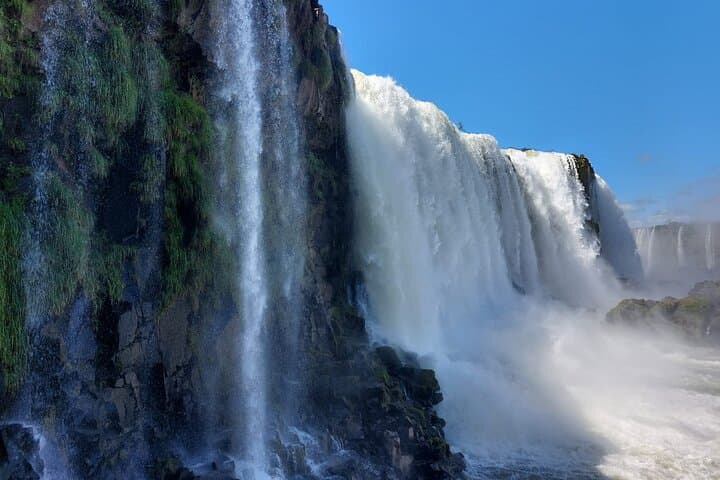
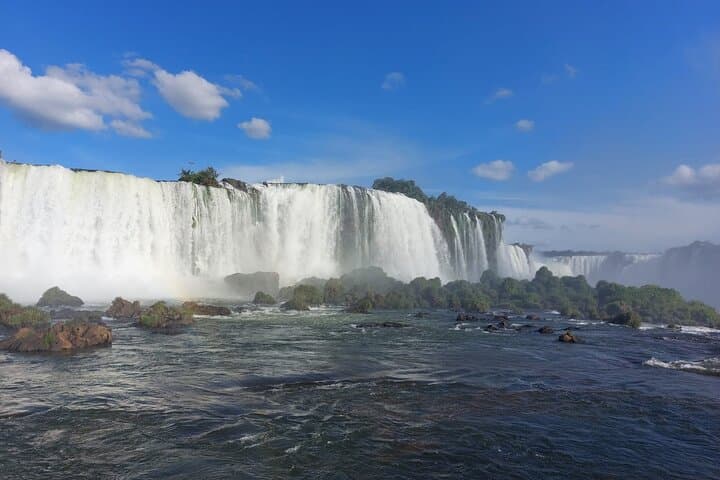
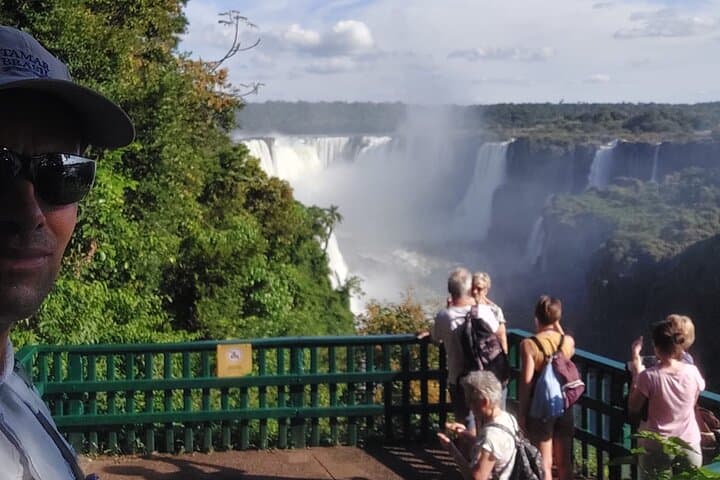
You step onto the Brazilian boardwalk and the falls announce themselves — a thunderous wall of spray and light that dares you to stand still. The trail is broad and elevated, forest breathing around you while the panoramic viewpoint pushes the river’s power into full view: a chain of cataracts spilling over basalt ledges, mist tuning the air into cool percussion.
Verified experiences and guided adventures in the surrounding area.
Operated by Iguazu Explorer · Foz do Iguaçu, Paraná
You step onto the Brazilian boardwalk and the falls announce themselves — a thunderous wall of spray and light that dares you to stand still. The trail is broad and elevated, forest breathing around you while the panoramic viewpoint pushes the river’s power into full view: a chain of cataracts spilling over basalt ledges, mist tuning the air into cool percussion.
Geologically, Iguazu is the work of volcanic basalt flows cut by the Iguaçu River, creating steps and cataracts that form one of the planet’s widest waterfall systems. The park sits where Brazil meets Argentina and Paraguay; Guarani peoples long told stories about the falls, and both Brazilian and Argentine national parks protect the river corridor and its Atlantic Forest.
Culture here mixes indigenous roots, 20th-century park planning and modern tourism — you’ll see interpretive signs, controlled walkways and local guides explaining flora, fauna and park-management efforts tied to nearby projects like Itaipu Dam.
Practically: a private tour on the Brazilian side focuses on the panoramic viewpoints and shorter boardwalks, ideal for visitors of varying mobility. Expect 3–4 hours including transport, light walking on flat, sometimes wet surfaces and plenty of photo stops. Wear sturdy, non-slip shoes, bring a waterproof layer and a refillable water bottle. Morning light reduces mist glare; afternoons often bring heavier spray and rain showers during the summer.
Respect park rules, stay on paths, and allow time to visit Parque das Aves nearby if you want a closer look at native birds.
easy.
3–4 hours.
Suitable for most visitors; short, flat boardwalks require only light walking and occasional stairs.
The private tour on the Brazilian side typically lasts 3–4 hours, including pickup, boardwalk visits and photo stops.
Many Brazilian-side viewpoints and boardwalks are accessible, and transport options can accommodate wheelchairs — confirm needs when booking.
This tour focuses on Brazil’s panoramic viewpoints; crossing requires separate admission and passport control, so it’s not included by default.
Expect spray at the main viewpoints, especially near the Devil’s Throat panorama; waterproof gear or protective covers for cameras are recommended.
The falls have long-standing importance to Guarani peoples; the Brazilian national park was established to protect the river gorge and Atlantic Forest and today forms part of a cross-border conservation region.
Visitors are asked to stay on designated paths and not feed wildlife; park management balances heavy visitation with habitat protection and education programs.
Iguazu Explorer operates guided outdoor trips and adventures with an emphasis on safety, stewardship, and memorable experiences.

You step onto the Brazilian boardwalk and the falls announce themselves — a thunderous wall of spray and light that dares you to stand still. The trail is broad and elevated, forest breathing around you while the panoramic viewpoint pushes the river’s power into full view: a chain of cataracts spilling over basalt ledges, mist tuning the air into cool percussion.
You step onto the Brazilian boardwalk and the falls announce themselves — a thunderous wall of spray and light that dares you to stand still. The trail is broad and elevated, forest breathing around you while the panoramic viewpoint pushes the river’s power into full view: a chain of cataracts spilling over basalt ledges, mist tuning the air into cool percussion.
Geologically, Iguazu is the work of volcanic basalt flows cut by the Iguaçu River, creating steps and cataracts that form one of the planet’s widest waterfall systems. The park sits where Brazil meets Argentina and Paraguay; Guarani peoples long told stories about the falls, and both Brazilian and Argentine national parks protect the river corridor and its Atlantic Forest.
Culture here mixes indigenous roots, 20th-century park planning and modern tourism — you’ll see interpretive signs, controlled walkways and local guides explaining flora, fauna and park-management efforts tied to nearby projects like Itaipu Dam.
Practically: a private tour on the Brazilian side focuses on the panoramic viewpoints and shorter boardwalks, ideal for visitors of varying mobility. Expect 3–4 hours including transport, light walking on flat, sometimes wet surfaces and plenty of photo stops. Wear sturdy, non-slip shoes, bring a waterproof layer and a refillable water bottle. Morning light reduces mist glare; afternoons often bring heavier spray and rain showers during the summer.
Respect park rules, stay on paths, and allow time to visit Parque das Aves nearby if you want a closer look at native birds.